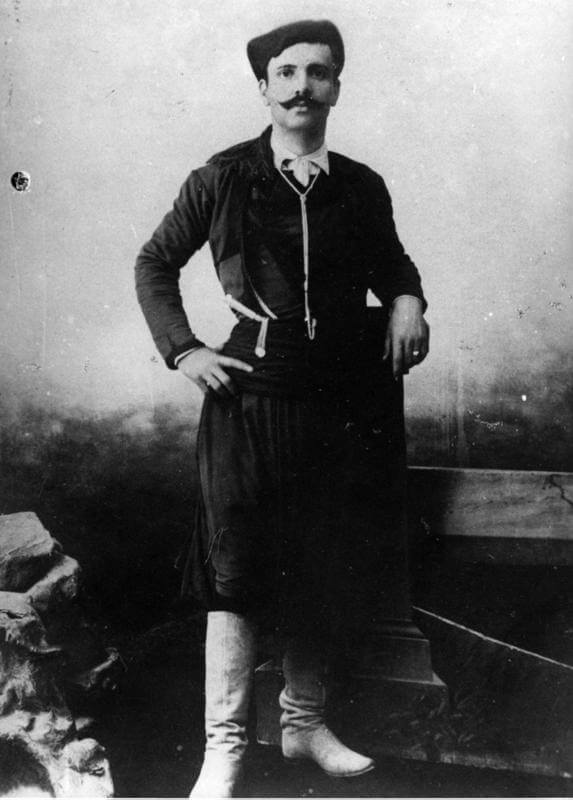
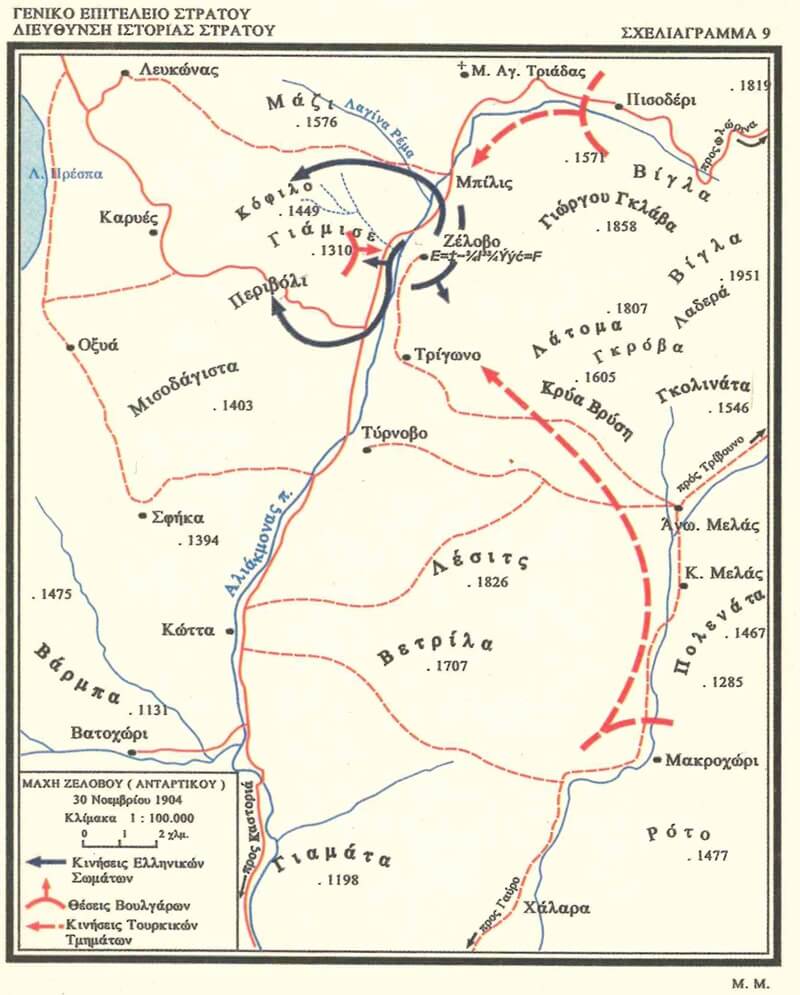
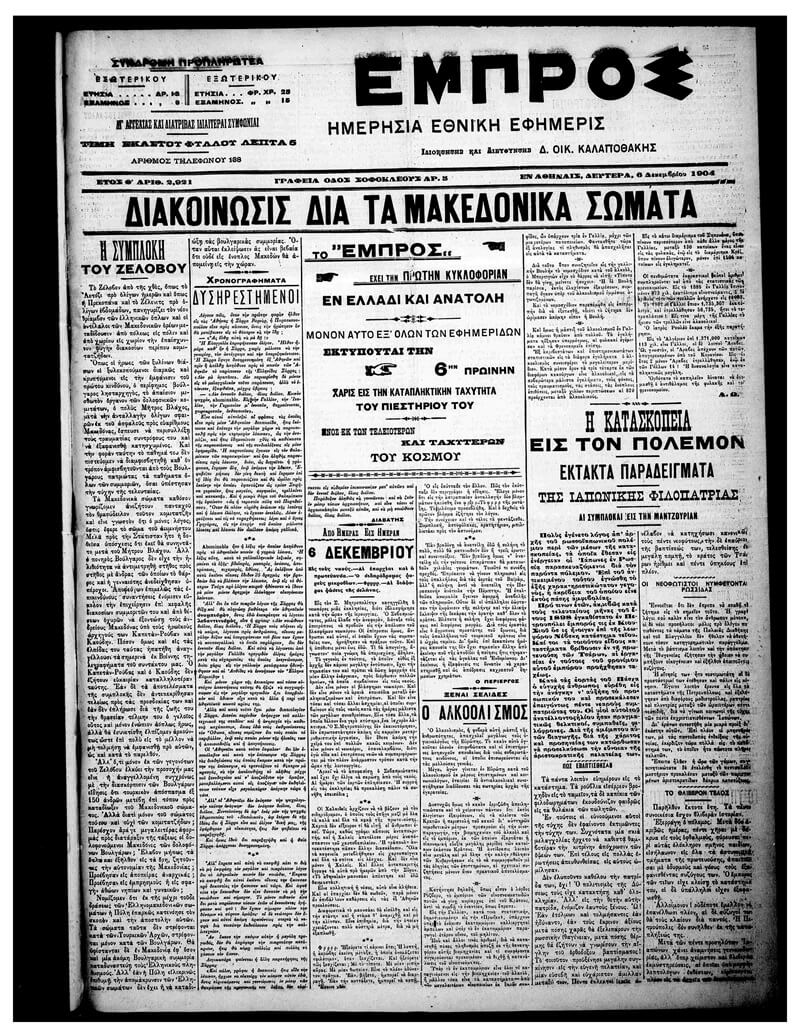
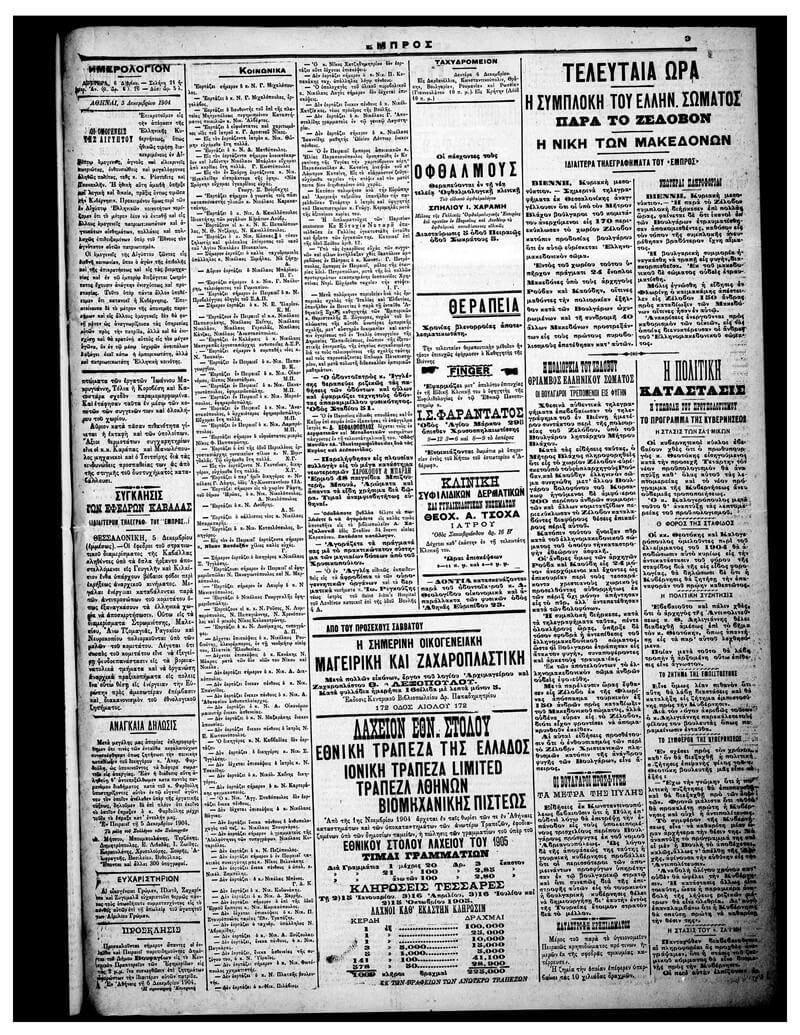
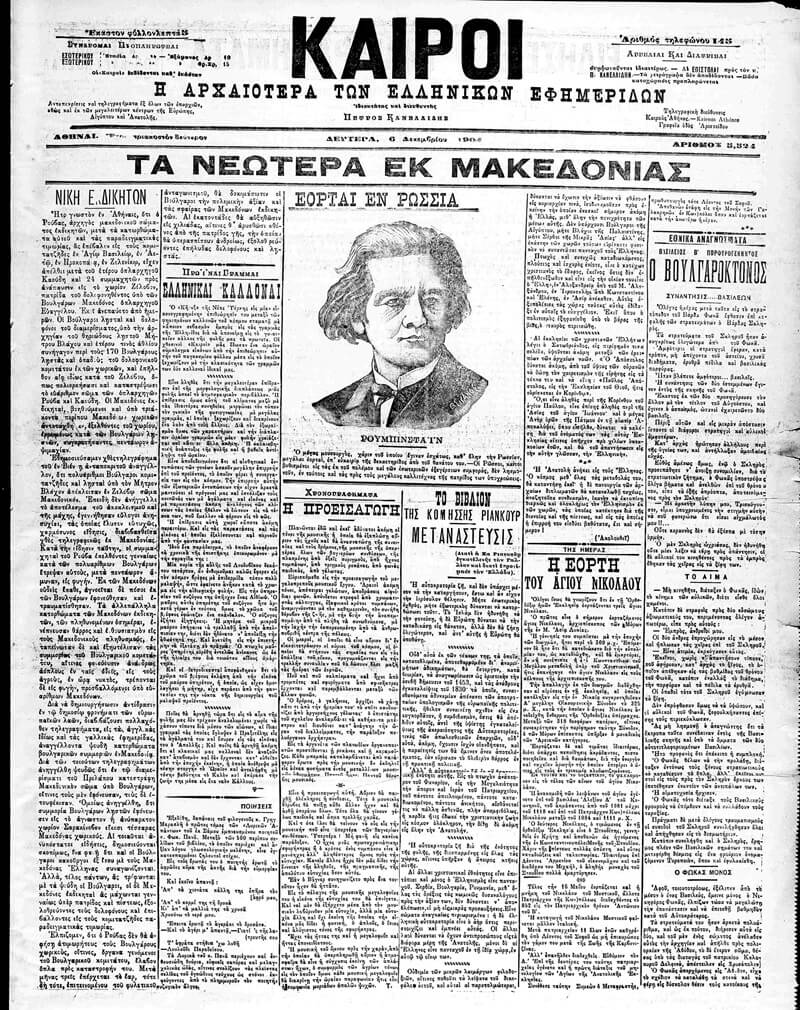
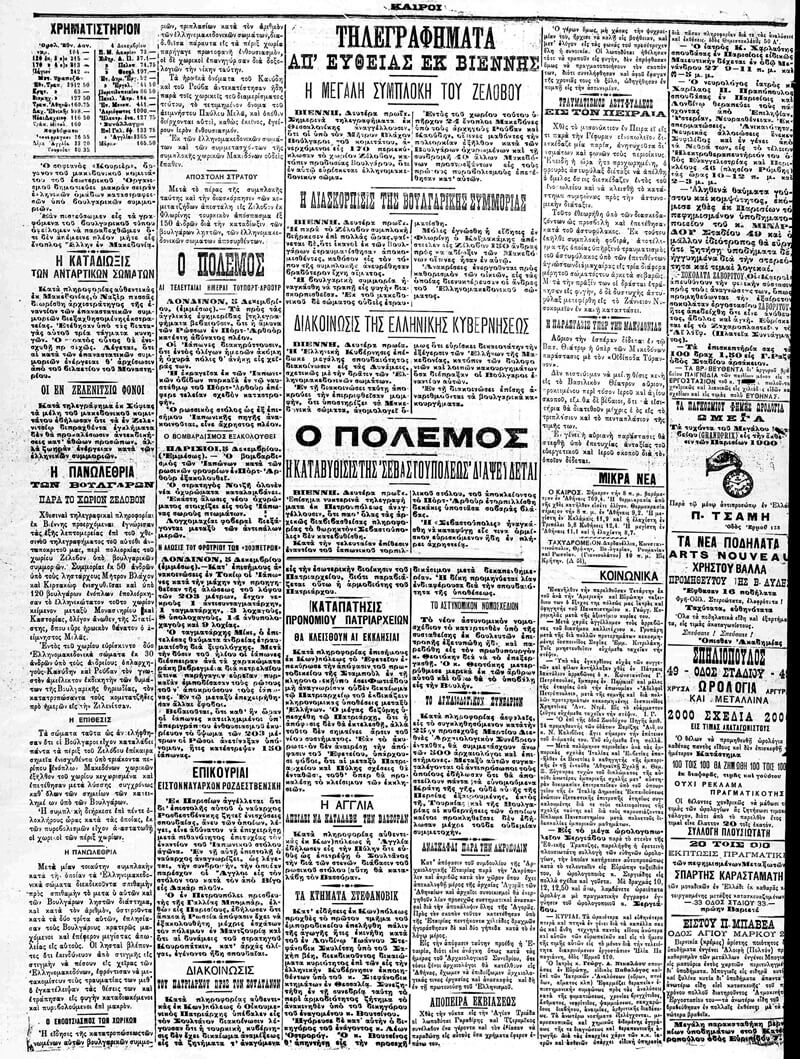
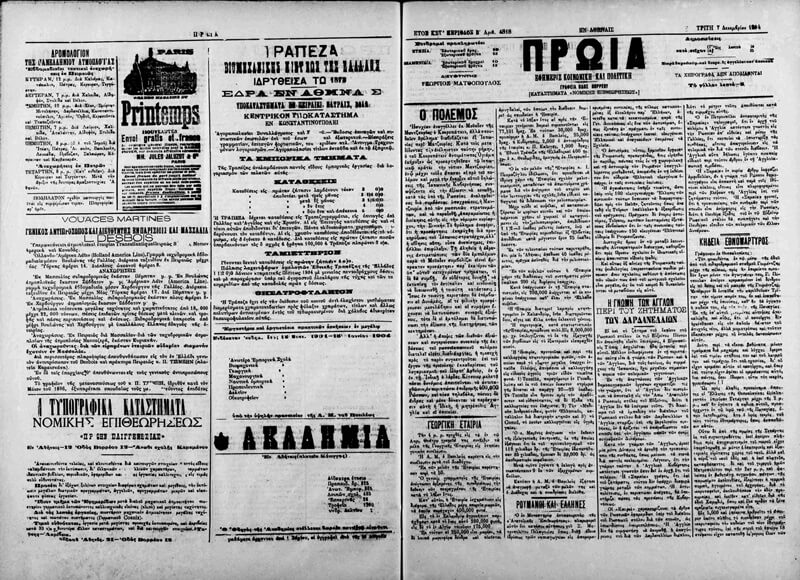
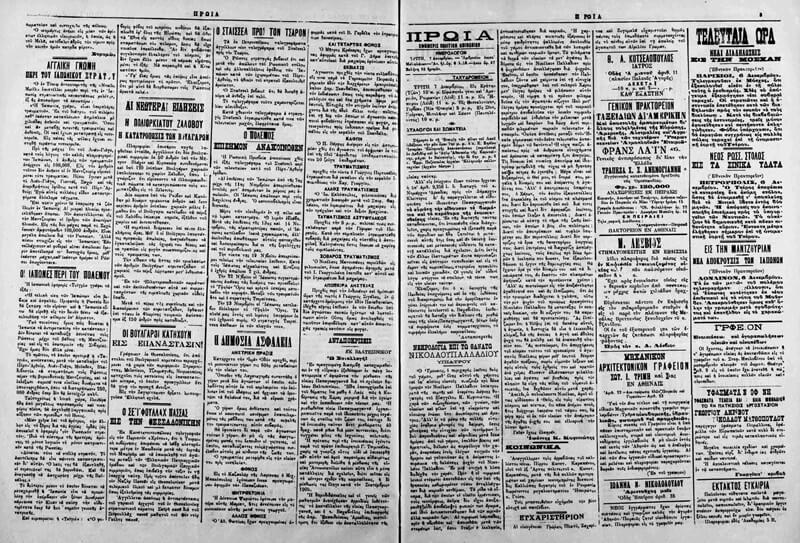
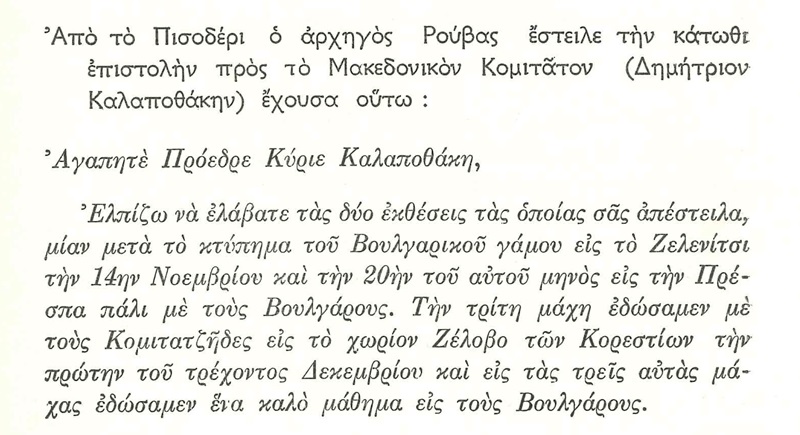
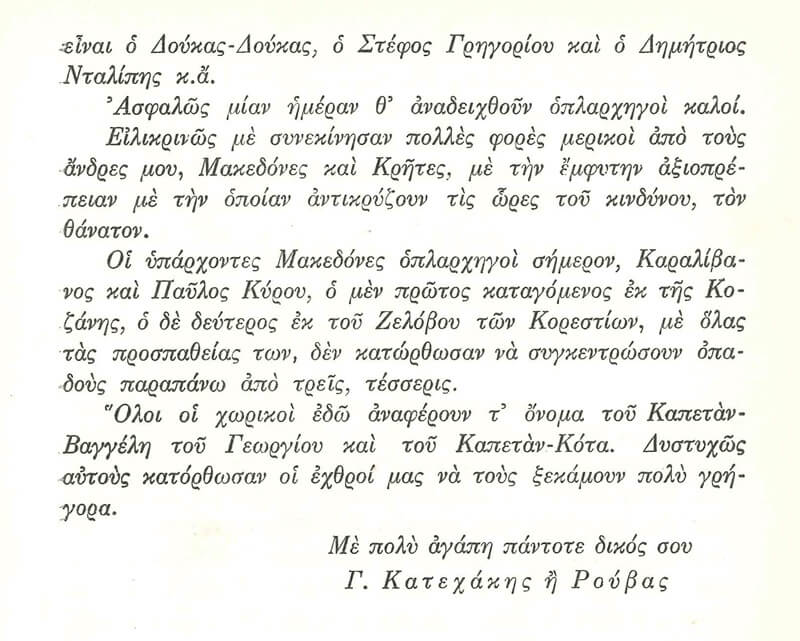
At the end of November 1904, the leader of the armed corps of the Greek Macedoni-an fighters, Georgios Katechakis (Captain Rouvas), was camping with his men in the village of Zelovo (now Antartiko). The presence of the Greek Macedonian fighters in the village was reported to the Komitadji chief Mitros Vlachos through a letter sent to him by inhabitants of Zelovo.
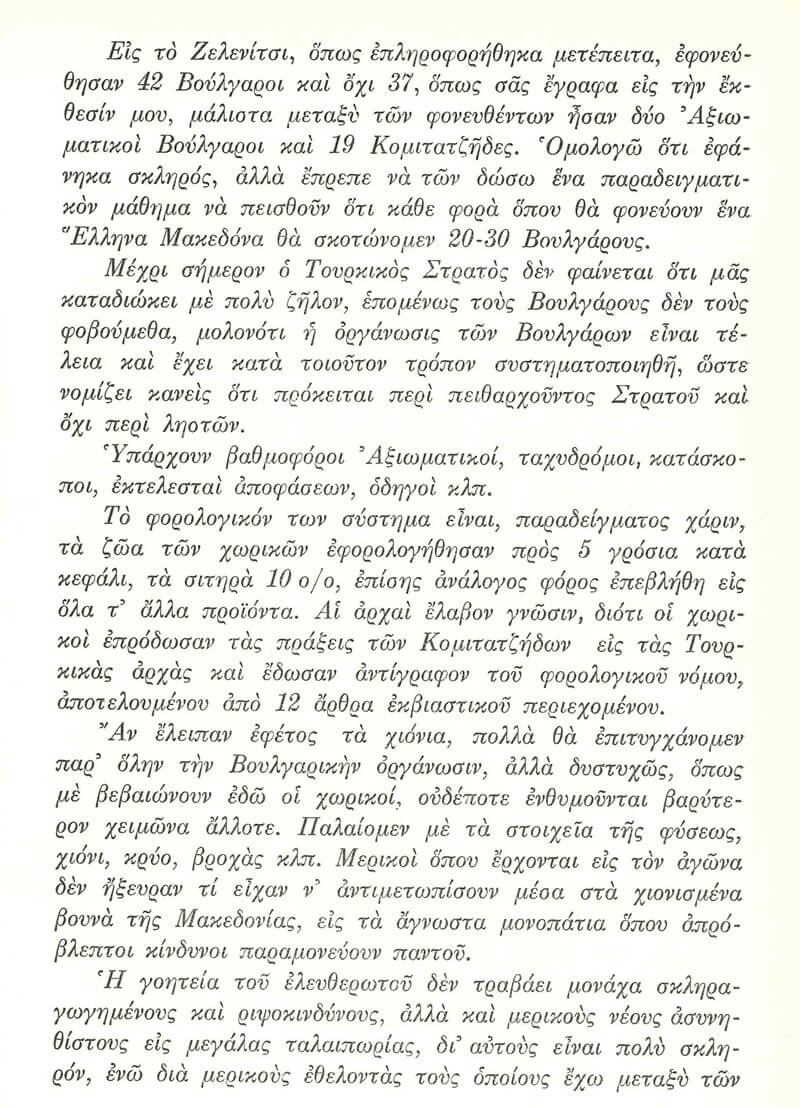
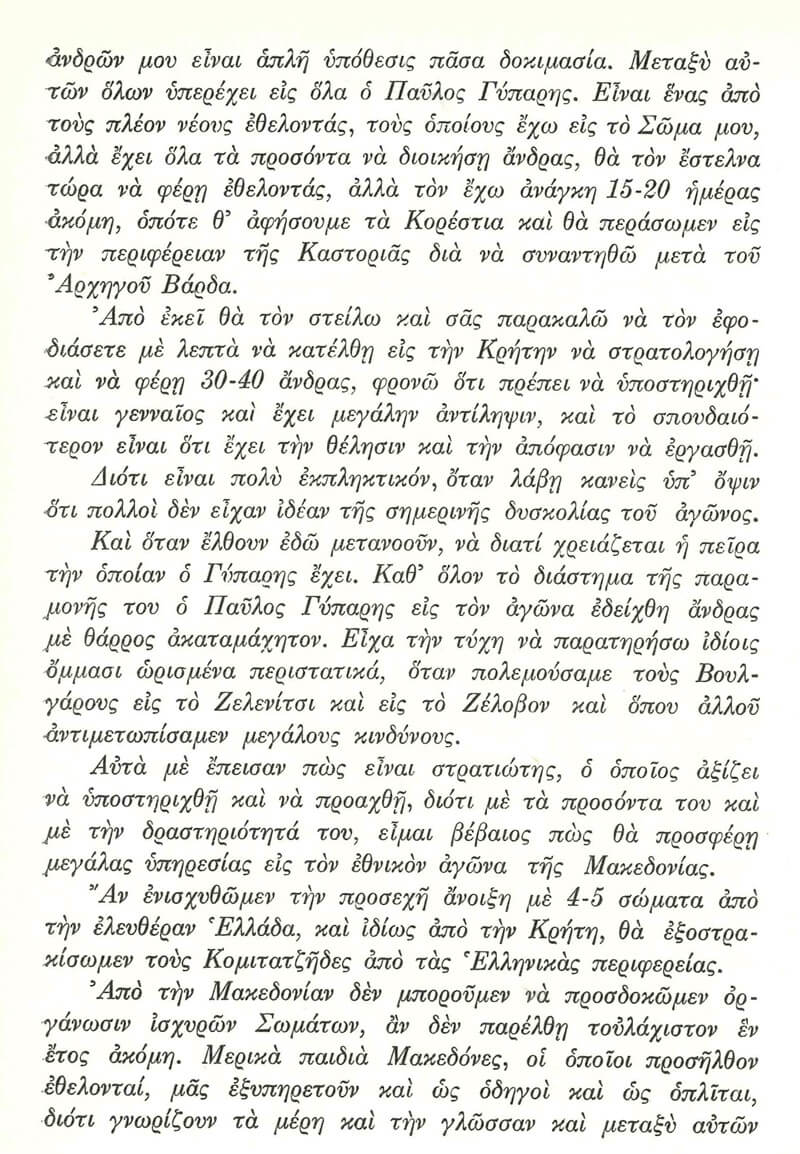
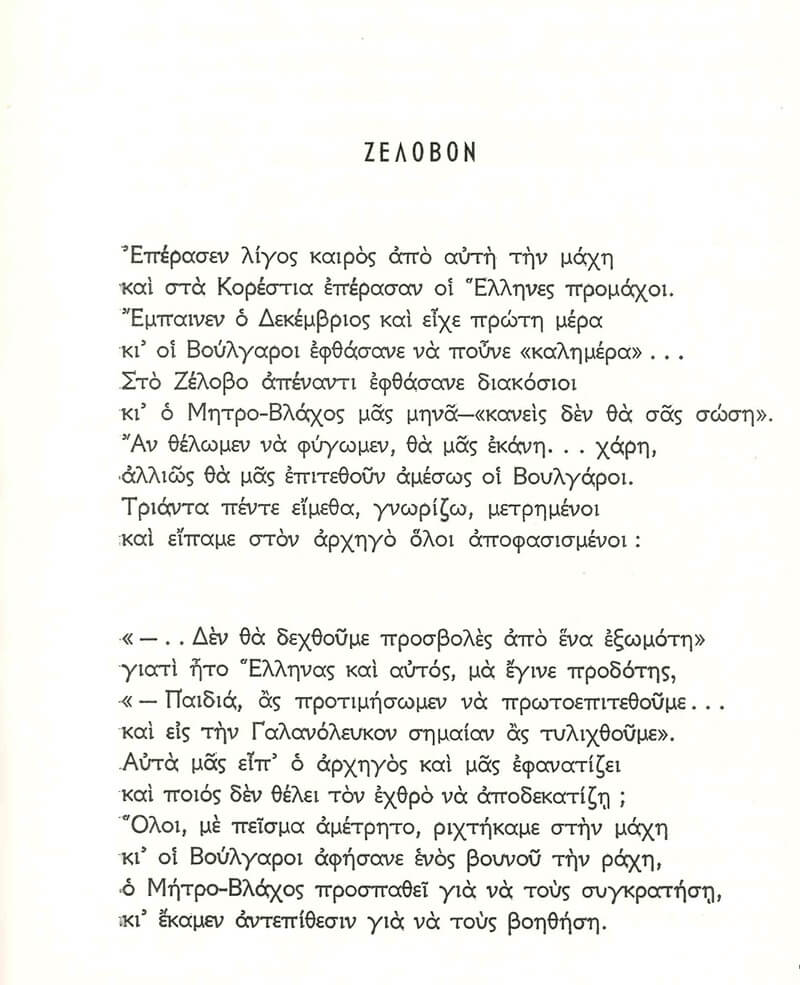
In the early morning hours of November 30, Mitros Vlachos' men captured some women from Zelovo in order to provoke Captain Rouvas' forces to leave the village and fall into the ambush that had been set up for them. Captain Rouvas, along with 33 men, including the chieftains Efthymios Kaoudis, Pavlos Kyrou, Ioannis Karavitis, Pavlos Gyparis, and Dimitrios Dalipi, after consultation, decided to confront the ap-proximately 70 Bulgarian Komitadjis of Mitros Vlachos.
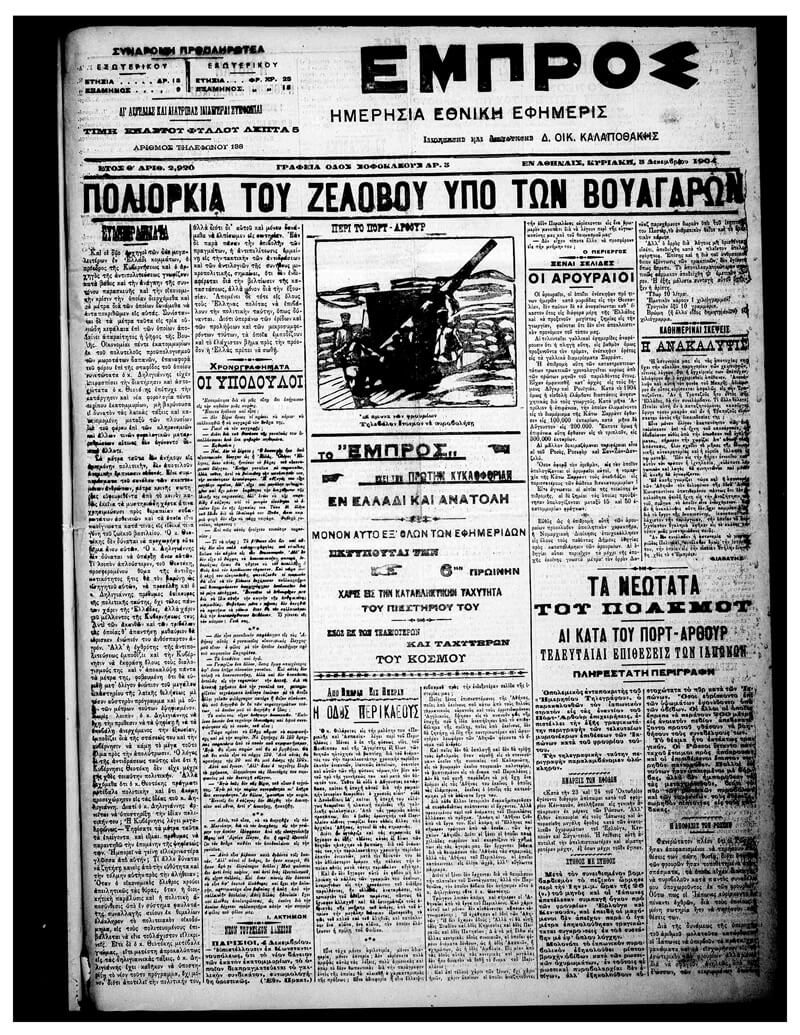
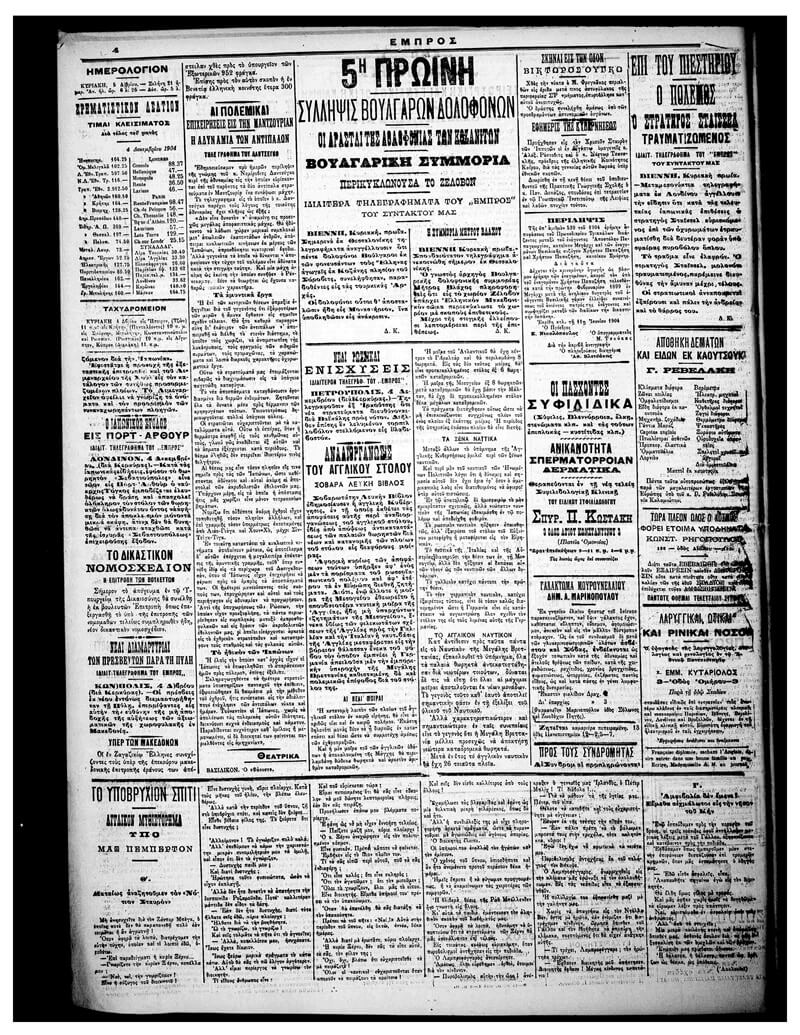
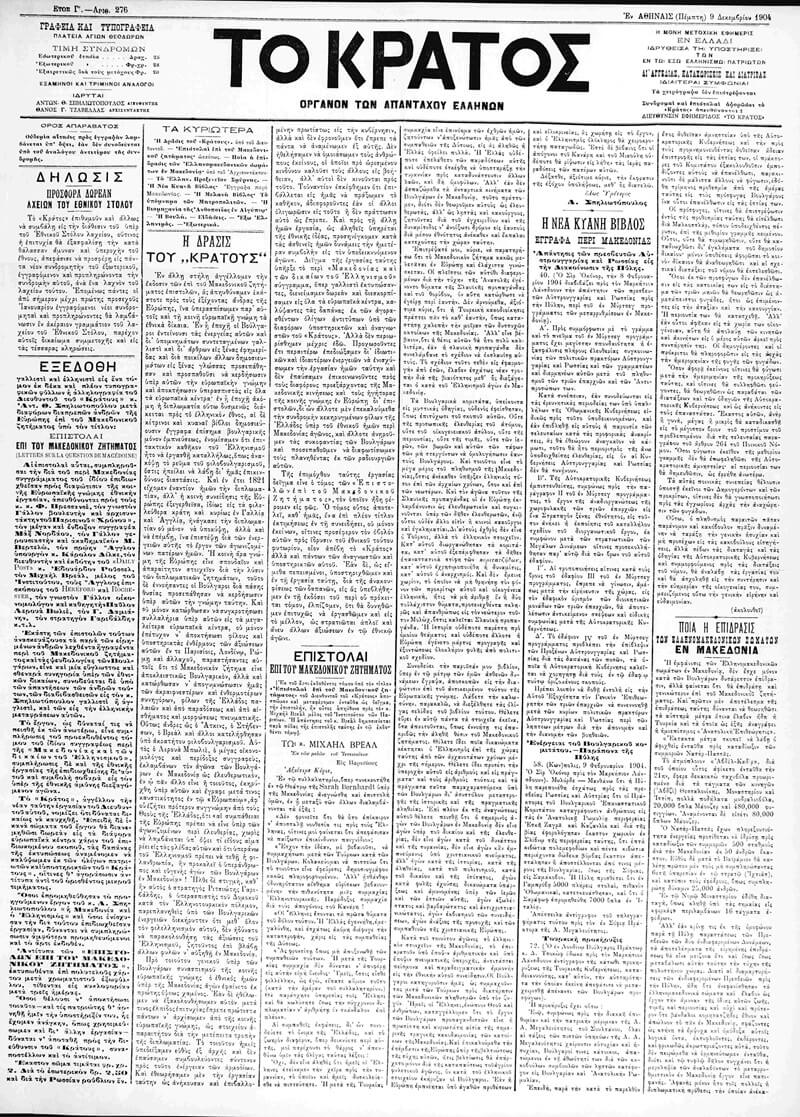
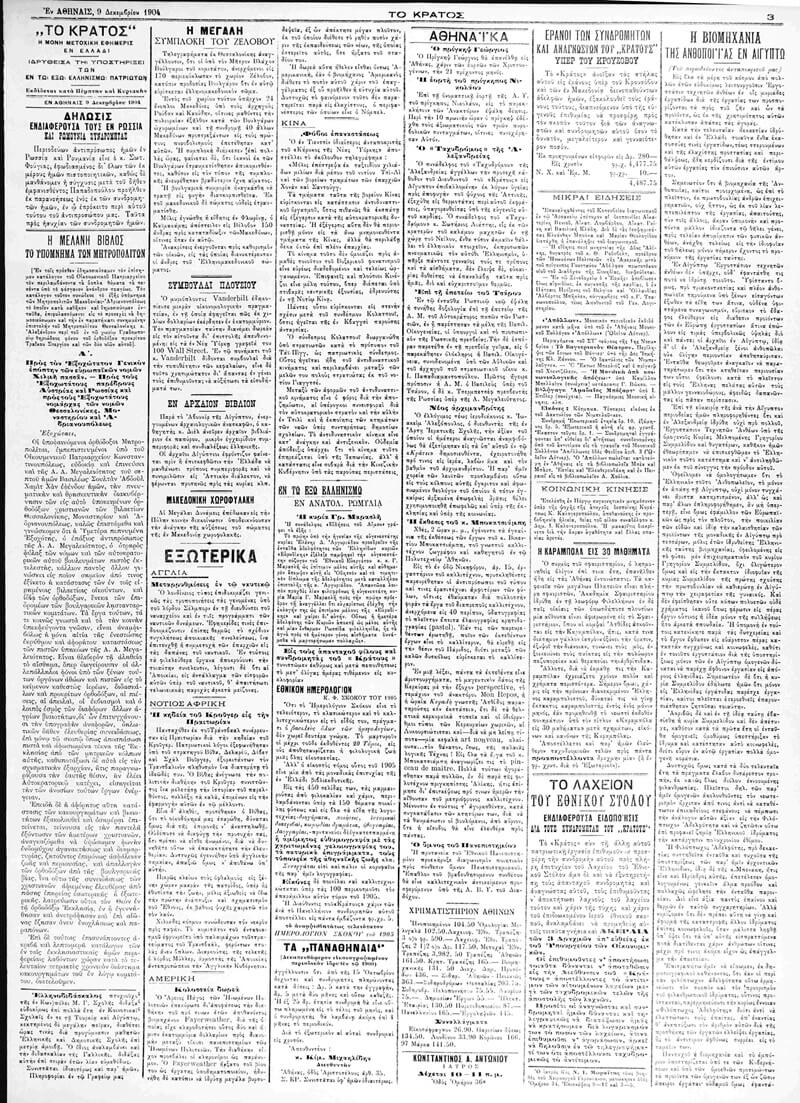
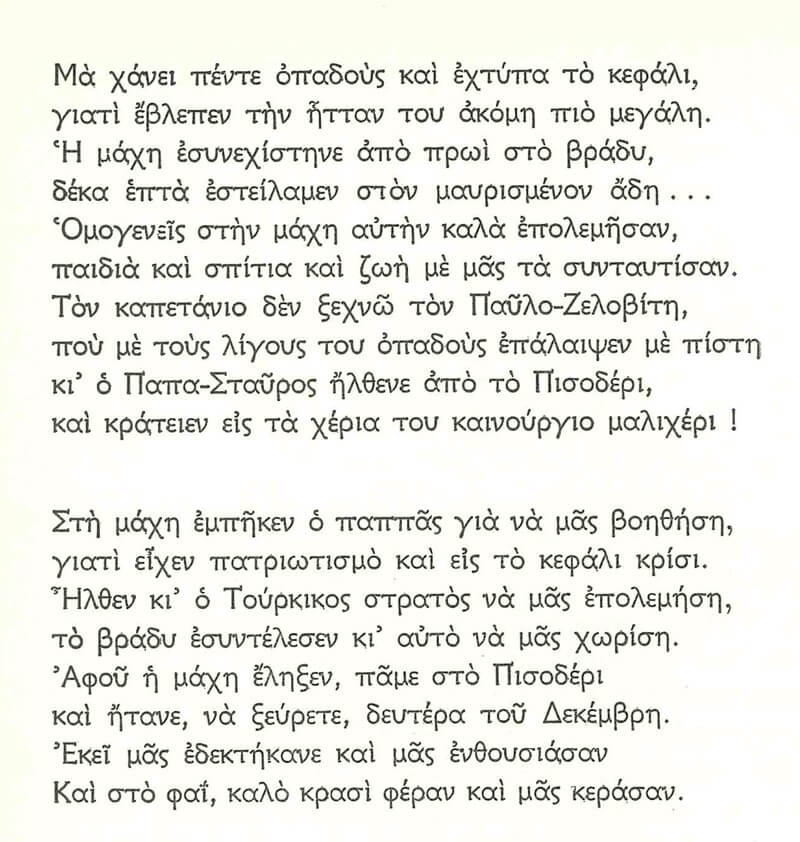
Despite their numerical disadvantage, the Greek Macedonian fighters moved deci-sively against the forces of Mitros Vlachos. With the support of the inhabitants of Pisoderi, who arrived in Zelovo at the urging of the priest and Macedonian fighter Stavros Tsamis, the Macedonian fighters began the attack, taking battle formation. On November 30, 1904, the armed corps of chieftain Georgios Katechakis (Captain Rouvas) attacked a group of Komitadjis gathered outside Zelovo (now Antartiko). Despite the numerical superiority of their enemies, the Macedonian fighters, with the help of the inhabitants of Pisoderi, managed to prevail. The fierce battle lasted until the early hours of the night and ended with the intervention of the Ottoman army. During the hour-long battle, the Komitadjis suffered heavy losses, with 24 dead, while the Macedonians had one wounded. The victory at the Battle of Zelovo was decisive for the course of the Macedonian struggle, as it boosted the morale of the Greek Macedonian fighters, which had been shaken after the death of Pavlos Melas on October 13, 1904.
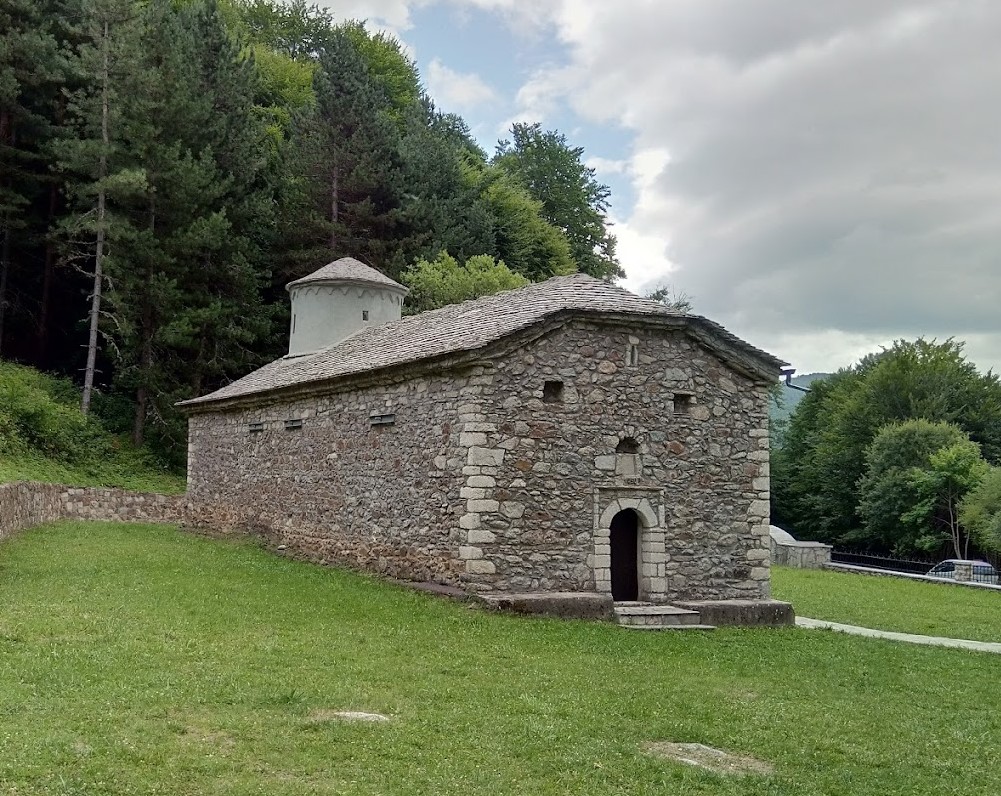
After the end of the Battle of Zelovo, the Ottoman army pursued the armed corps of the Greek Macedonian fighters. The forces of Georgios Katechakis retreated first to the Monastery of Agia Triada and then moved to Pisoderi. There they remained hid-den for three days, as severe weather conditions prevented further movements.
In general, the victory at the Battle of Zelovo played a crucial role in the course of the Macedonian Struggle. The success against the numerically superior Komitadjis significantly boosted the morale of the Greek Macedonian fighters, which had suf-fered a serious blow after the death of Pavlos Melas on October 13, 1904.