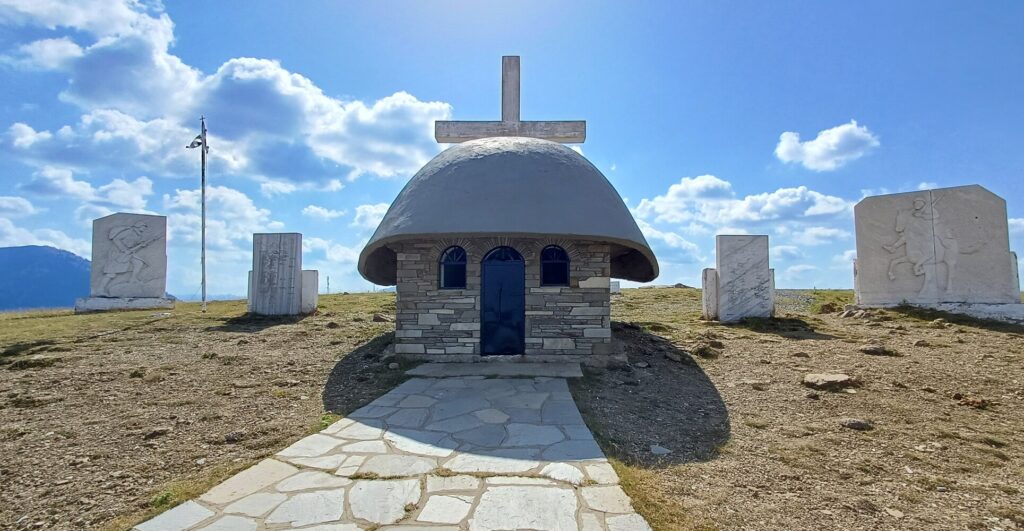
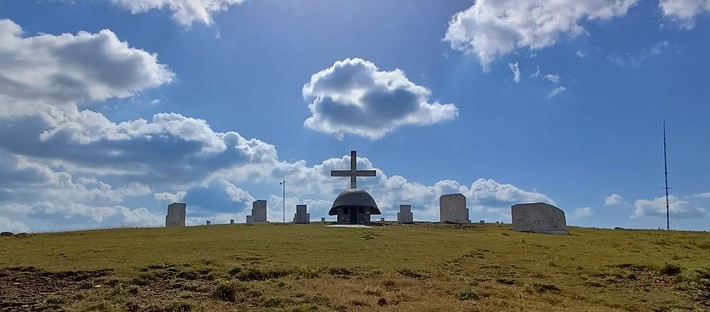
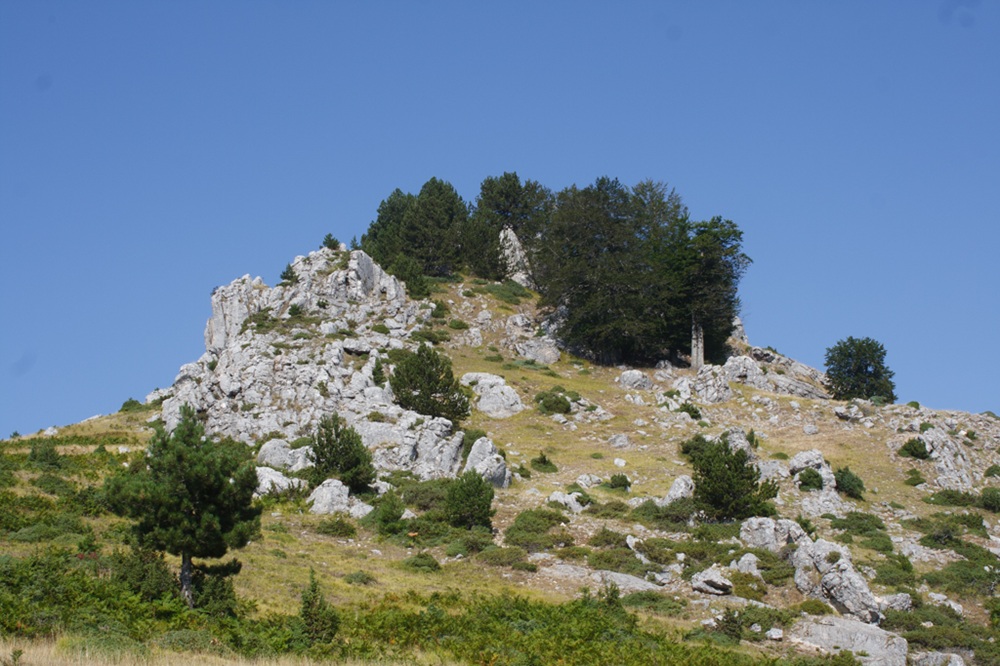
On October 28, 1940, Italian military forces initiated an incursion into the Pindus region. In the battle that ensued on the Patoma, Mouka, and Pano Arena Heights, the Pindus Detachment demonstrated remarkable tenacity and resilience, despite facing a considerable numerical advantage by the Italians. The Greek forces continued to resist until midnight on October 29, when, under pressure from the Italians and the adverse weather conditions, the divisions were reduced to Eptachori. Despite the subsequent retreat, the fighting on October 28 and 29 significantly delayed the Italians' plans for a rapid capture of Western Macedonia and allowed the Greek Army to organize a systematic counterattack in the following days.
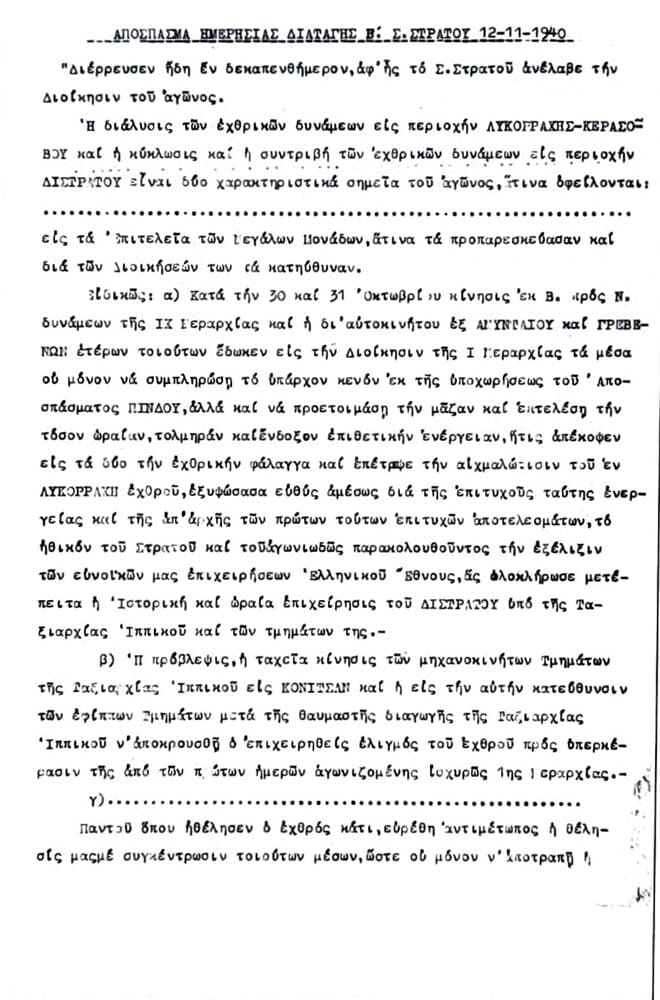
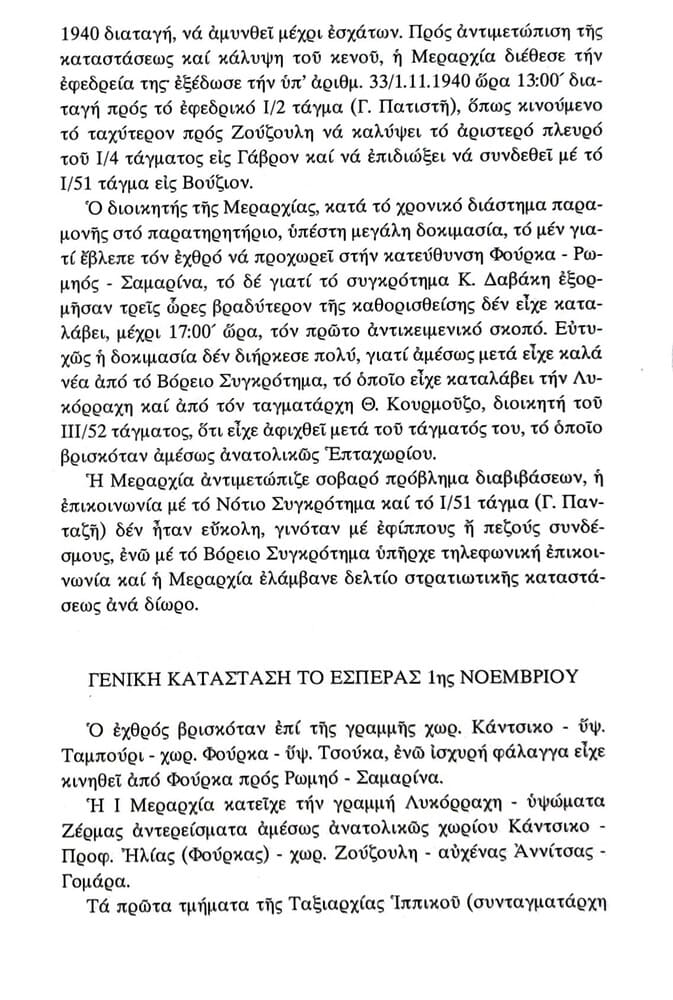
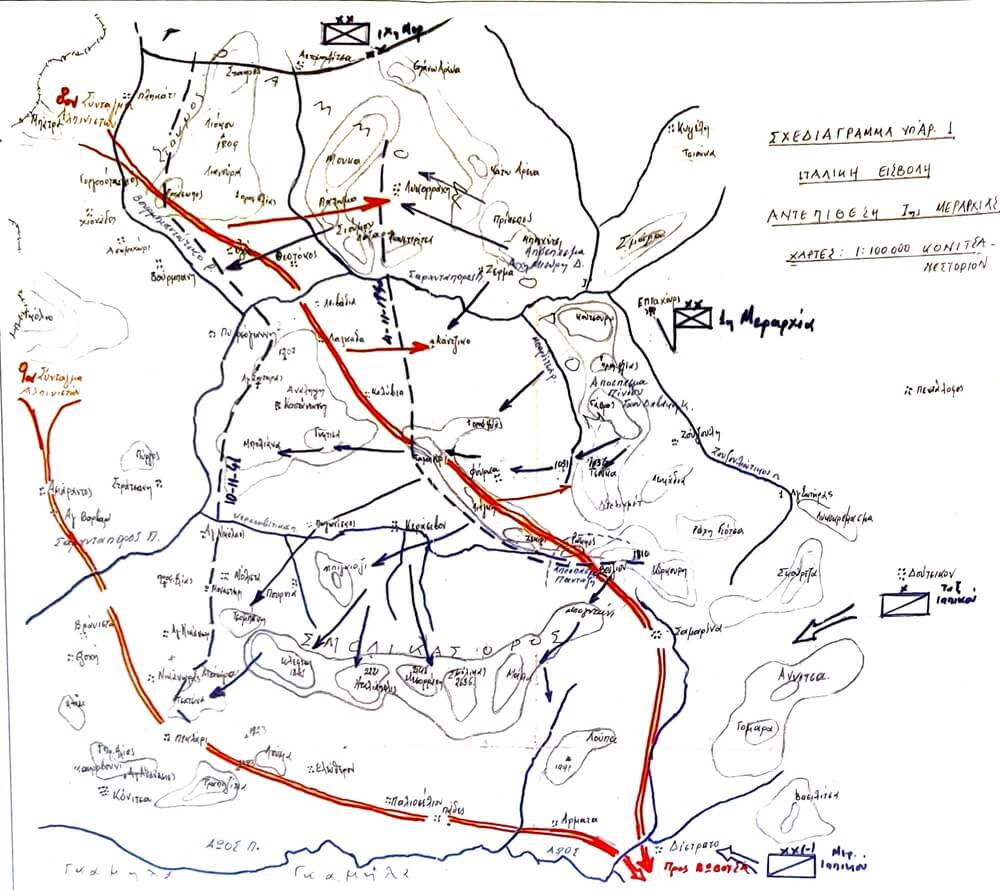
On October 30, as a result of the critical situation at the front, the I Division was deployed to Eptachori with the objective of providing reinforcement to the Pindus Detachment. The command of the Greek forces in the Battle of Pindus was assigned to the commander of the I Division, Major General Vassilios Vrachnos, who arrived in Eptachori at noon on October 30. From October 30 to 31, the I Division conducted operations to rebuild the forces that had been engaged in combat since October 28 against the Italian "Julia" Division. Despite the efforts and tenacious resistance of the Greeks, the Italian forces, which were numerically superior, managed to create a small pocket in the defensive lines, advancing towards the village of Fourka by the evening of October 31.
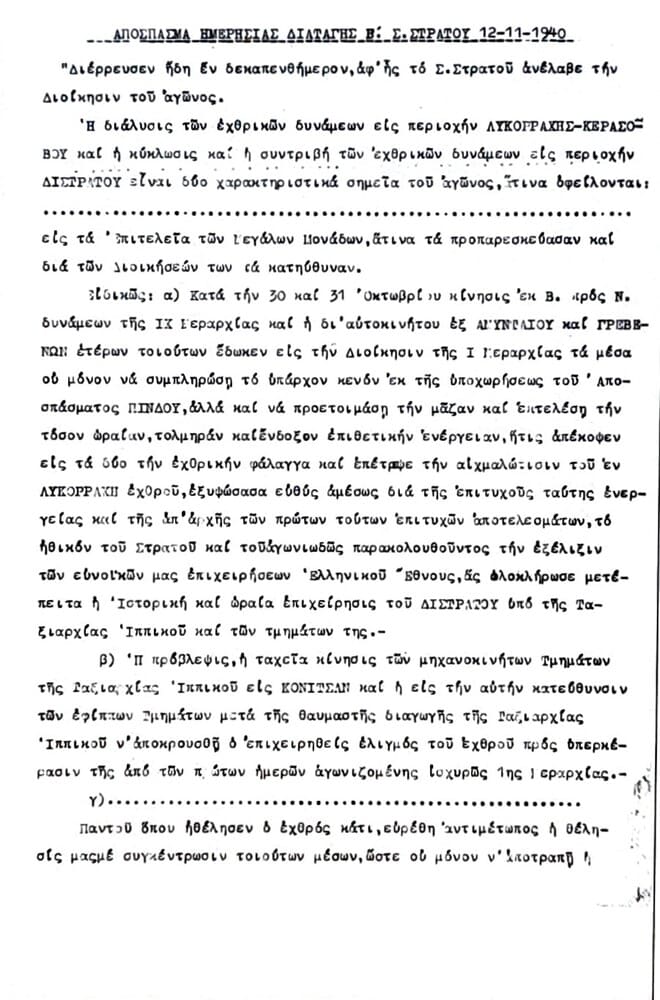
In response to this worrisome development, the General Headquarters took prompt action, designating the 2nd Army Corps as the operational commander in the Pindus sector. Concurrently, the Greek forces at the front were reinforced by the deployment of the Cavalry Brigade, which was commanded by Colonel Socrates Dimaratos. Lieutenant General Dimitrios Papadopoulos, the commander of the 2nd Army Corps, devised a counterattack plan for the Greek forces in the Pindus sector. The plan included capturing the positions at the Arenas crossing and breaking the left flank of the 3rd Alpine Division "Julia".
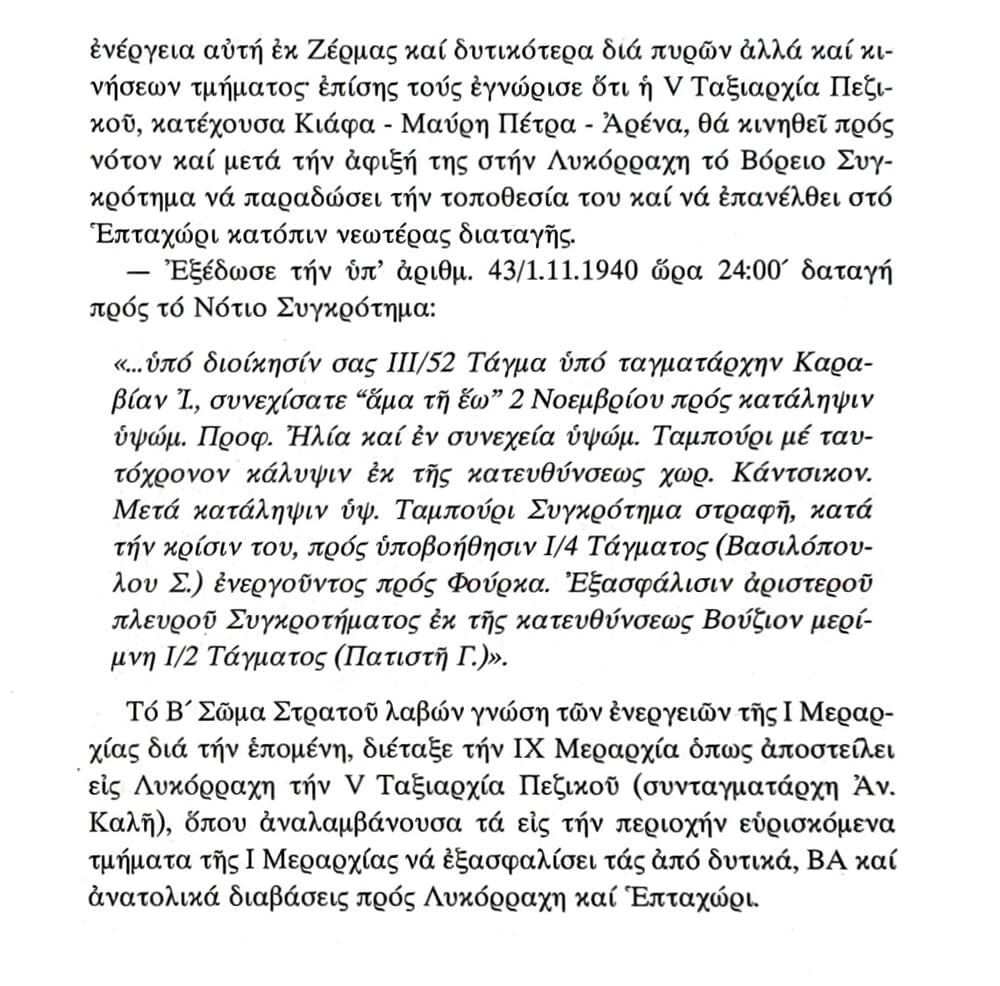
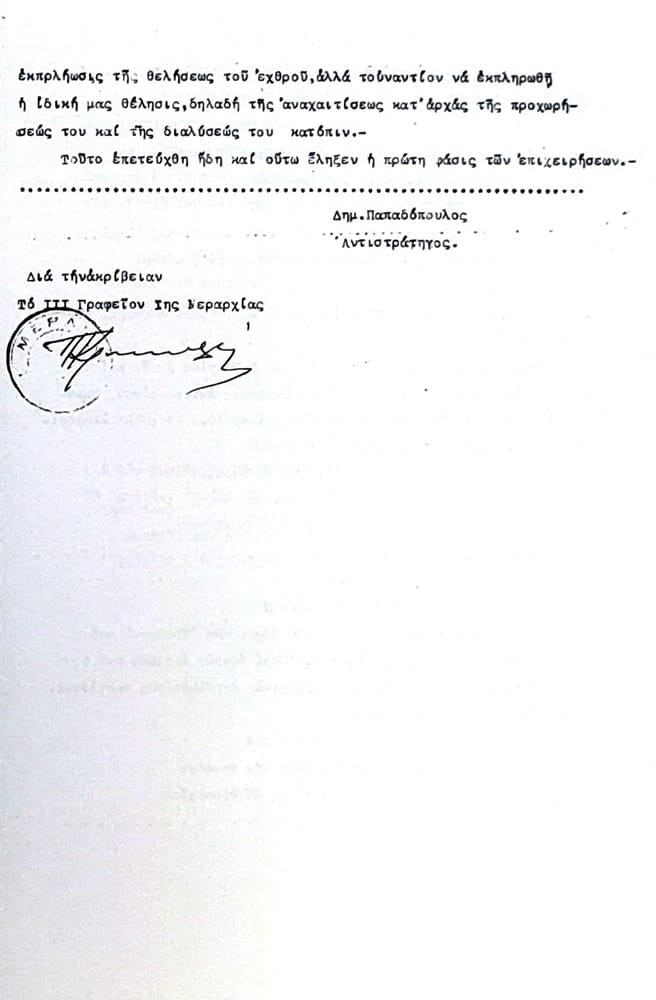
In the early morning hours of November 1st, the Greek counterattack commenced. The I Division initiated an offensive operation along the Oxya-Gyftissa line (southeast of Kastanea), with the objective of disrupting the left flank of the Italian forces, which were advancing towards Samarina. On the same day, the Greek forces continued their efforts with a series of sustained counterattacks, which yielded encouraging results. These efforts led to the recapture of areas in the left sub-sector of the Battle of Pindus, extending as far as the village of Kanchiko (now known as Drosopigi Ioannina), and in the central sub-sector, reaching as far as Lycorrachi. In addition to the recapture of territory, the counterattack achieved other successes, including the capture of 222 Italian prisoners, three of whom were officers, and the seizure of significant quantities of booty and supplies.
In parallel with the military operations underway, on the afternoon of November 1st, the Cavalry Brigade, under the command of Colonel Sokratis Demaratos, advanced to Dotsiko, thereby reinforcing the left sector of the Battle of Pindus. Subsequently, the brigade proceeded to the strategically significant elevations of Skourtza and Annitsa, from which it could observe the advancement of Italian forces towards Samarina.
From these positions, attacks were launched the following day, November 2, against the Italian forces that had meanwhile occupied Samarina. In the afternoon of November 2, two units of the cavalry brigade launched an offensive against the Italian forces stationed east of Samarina. Despite the prolonged fighting, the strong presence of the Italians caused the Greek forces to retreat to the heights of Skourtza and Annitsa, with minor losses: two dead and three wounded.