
Battle of Samarina
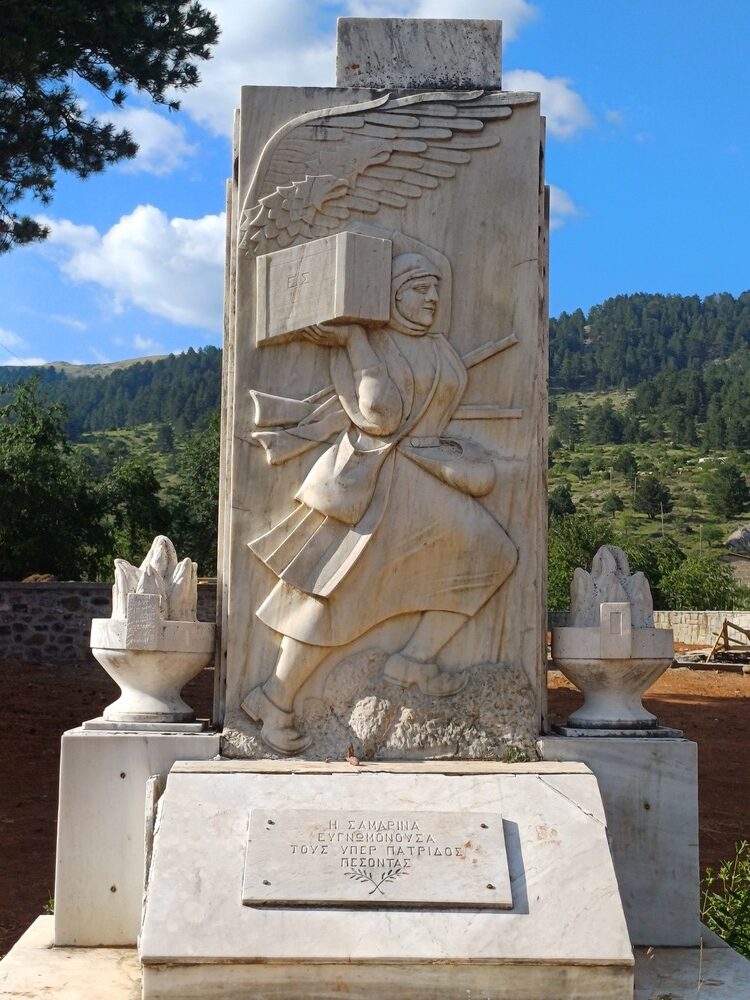
Short Description:
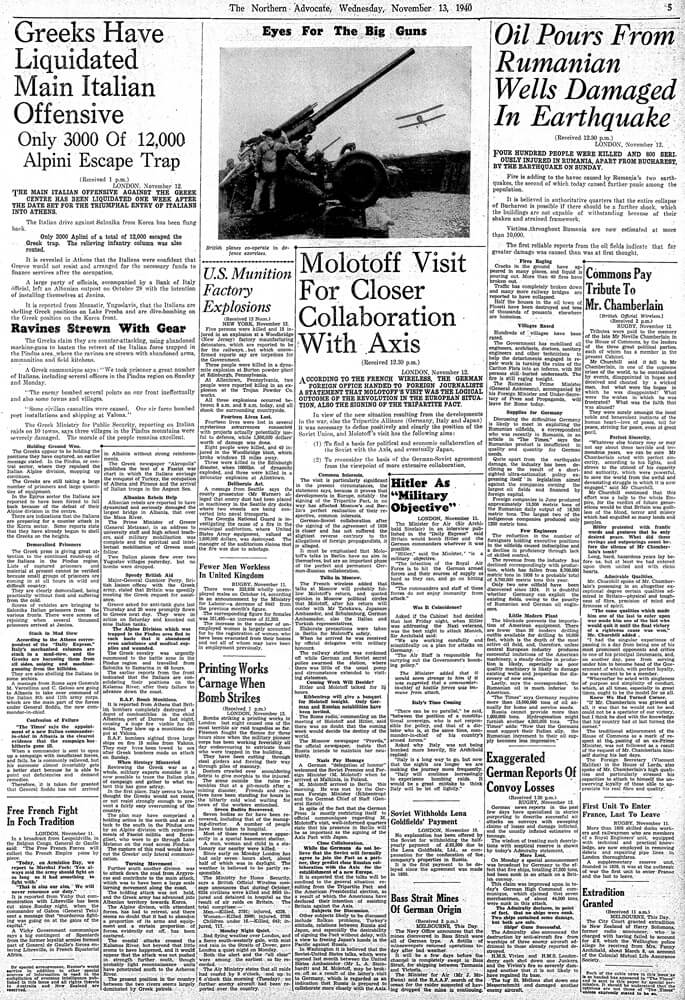
On November 2, 1940, the 3rd Alpine Division, “Julia”, successfully captured Samarina, encountering minimal resistance on Mount Vuzio. The Greek Cavalry Brigade endeavored to advance east of the village but was confronted by strong Italian forces. However, on the following day, November 3, the Cavalry Brigade was able to recapture Samarina and the surrounding area, capitalizing on the Italian advance on Distrato. This significant victory compelled the Italian forces to withdraw westward, thereby avoiding encirclement by the Greek Army. Consequently, just a week after the invasion commenced, the Greek Army impeded the rapid Italian advancement into Western Macedonia. The recapture of Samarina marked the advent of the impending definitive defeat of the Italians.
Photo gallery:
Detailed Description:
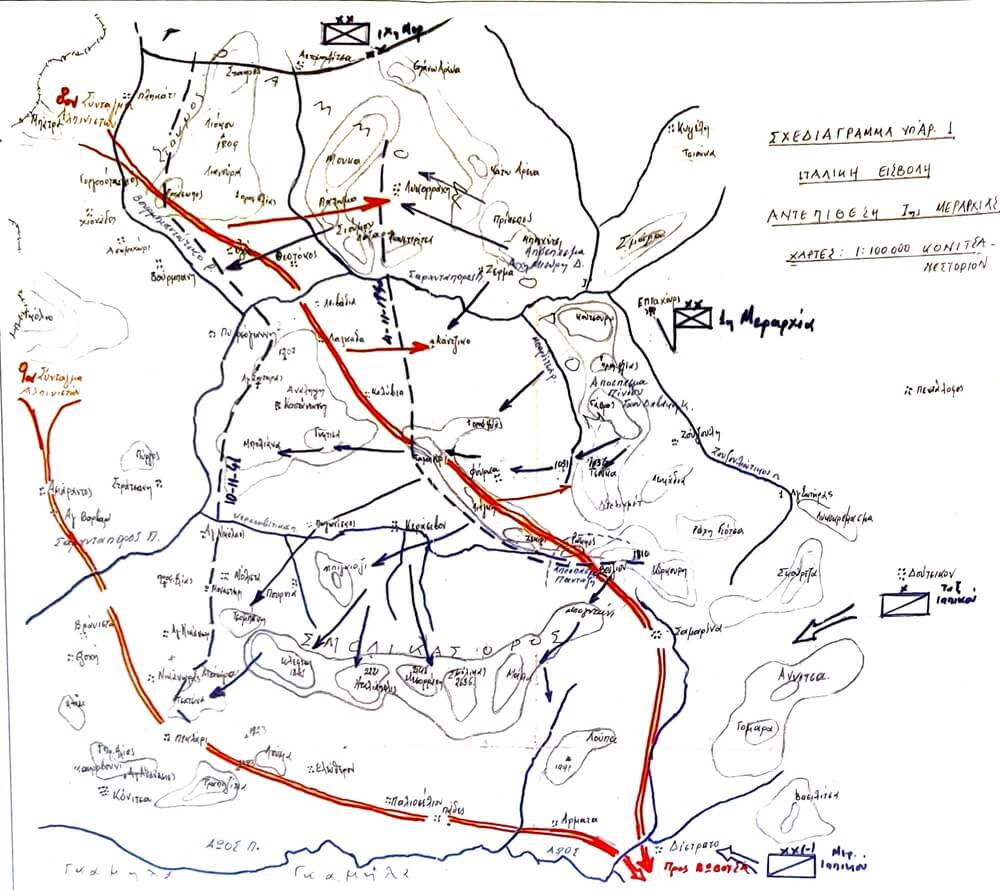
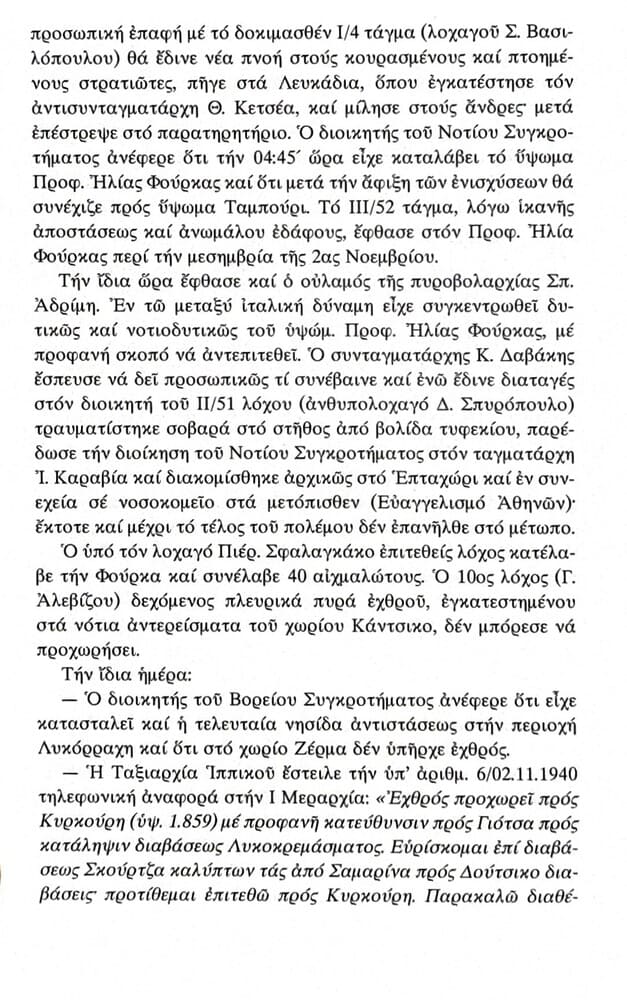
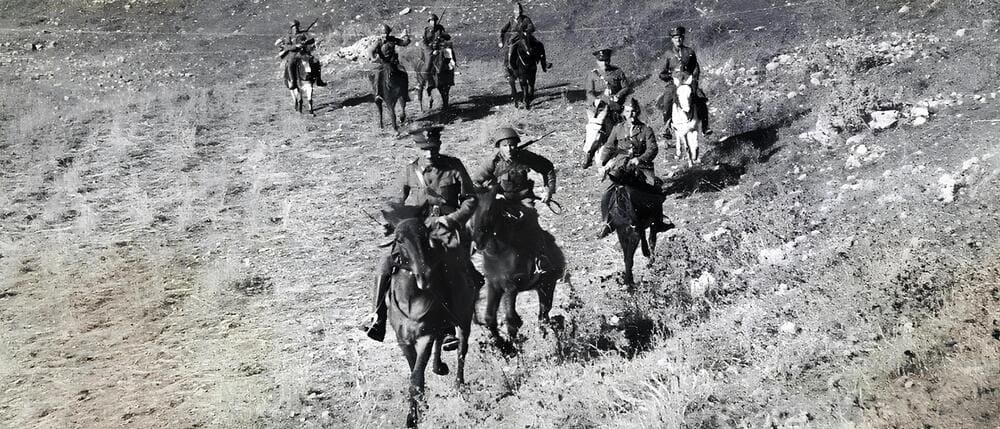
On November 1, the Greek counteroffensive against the Italian forces, which had invaded the Pindus region since the end of October, commenced. The I Division, which had been deployed to the area on October 30, sought to regain territory along the Oxya-Gyftissa line (southeast of present-day Kastanea) with the objective of disrupting the Italian forces' left flank, which was advancing rapidly towards Samarina. By the evening, the Greek forces had succeeded in stabilizing the Italian advance in the central sub-sector of the Battle of Pindus and delaying the Italian invasion to the southeast. Concurrently, the left sub-sector was reinforced by the arrival of the Cavalry Brigade on November 1, which, under the command of Colonel Socrates Demaratos, promptly captured the Skourza and Annitsa heights west of Samarina.
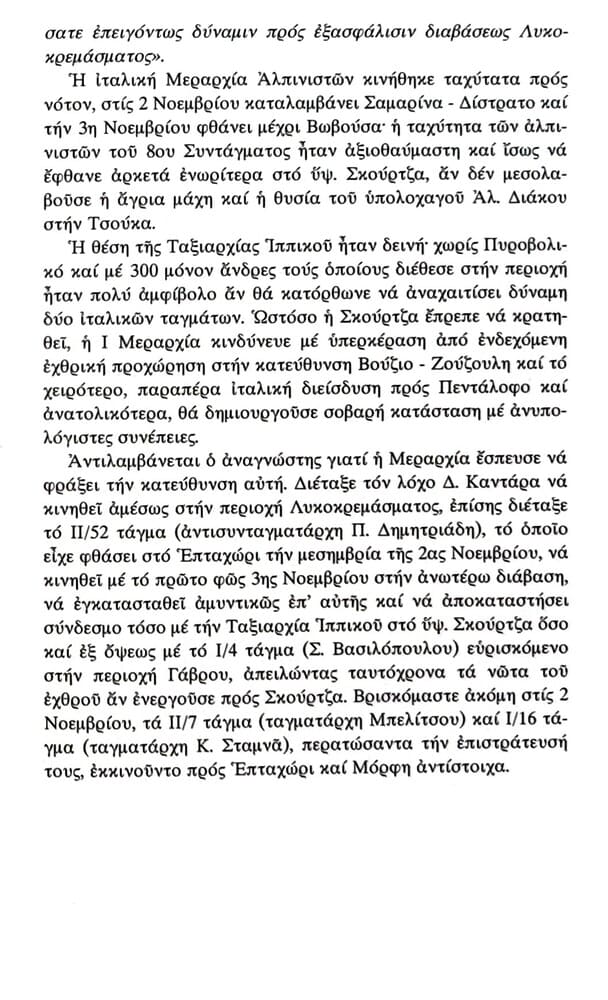
In the early morning hours of November 2, the 8th Regiment of the 3rd Alpine Division "Julia," having repelled a small force of the Greek army on Mount Vuzio, proceeded to capture Samarina. By the afternoon hours, they had advanced to the village of Distrato. Concurrently, the Cavalry Brigade endeavored to occupy the Renda Height, situated to the east of Samarina, with the objective of impeding the advancement of Italian forces. Despite sustained combat, the Greeks were unable to compel the tenacious Italian forces to retreat. Consequently, they retreated to the Skourza and Annissa Heights, sustaining minimal casualties: two fatalities and three injuries.
On November 3, the Cavalry Brigade initiated a new offensive towards Samarina. In accordance with the strategic plan, the Brigade's forces were to attempt to capture the Kyrkouri hill, which is located to the north of Samarina, and subsequently Samarina itself. From the initial reconnaissance operations, it became evident that the majority of Italian forces had vacated the area. A squadron dispatched to reconnoiter on Renda Height did not discern the presence of Italian soldiers, only substantial military equipment that had been abandoned. The absence of Italian troops may be indicative of a disorderly retreat during the previous day's battle.
Subsequently, at approximately 10:30, a squadron from the Cavalry Brigade advanced to Samarina for reconnaissance purposes. Upon arrival, they were confronted by a contingent of Italian infantry, equipped with machine guns. In the subsequent engagement, which continued until noon, the reconnaissance squad and the hastily deployed cavalry troop succeeded in capturing Samarina and apprehending 11 Italian soldiers. The remainder of the Italian platoon withdrew towards Distrato. Following the capture of Samarina, the brigade forces advanced to Kyrkouri Heights, which were also captured without the need for further action.
The recapture of Samarina by the Greek Army on November 3, 1940, compelled the Italian forces to withdraw to the west, as they confronted the imminent threat of encirclement by the Greek army in the vicinity of Distrato. A week after the commencement of the Italian invasion, and despite the adverse weather conditions and the numerical superiority of the Italians, the Greek Army, with the robust assistance of the local population, was able to impede the rapid advancement of the Italians into Western Macedonia. Furthermore, as early as November 3, the initial indications of the decisive defeat of the Alpine Division "Julia" began to emerge, which was ultimately concluded on November 13.

Indicative Literature:
ΓΕΣ, Ιστορικόν Πολεμικών Επιχειρήσεων 1940-1941 συνταχθέν κατ’ εντολήν Υπουργείου Εθνικής Αμύνης, τ. 2.1: Αι εν Πίνδω επιχειρήσεις, Αθήναι χ.χ.
ΓΕΣ, Εφοδιασμοί του στρατού εις υλικά οπλισμού και πυρομαχικών πυροβολικού και πεζικού κατά τον πόλεμον 1940-41, Αθήναι 1982.
ΓΕΣ, Η υγειονομική υπηρεσία του στρατού κατά τον πόλεμον 1940-1941, Αθήνα 1983.
ΓΕΣ, Επίτομη Ιστορία του Ελληνοϊταλικού και Ελληνογερμανικού πολέμου 1940-1941. Επιχειρήσεις Στρατού Ξηράς, Αθήνα 1985.
Παπαδήμας Β. (επιμ.), Απομνημονεύματα Στρατηγού Βασιλείου (Βάσσου) Βραχνού. Ο Ελληνοϊταλικός Πόλεμος 1940-41 και η δράση της Σιδηράς Μεραρχίας Λαρίσης, Θεσσαλονίκη 2014.
Παπακωνσταντίνου Θ.Φ. , Η μάχη της Ελλάδος 1940-1941, Αθήνα 1971.
Related locations
Monument to the Fallen. Samarina
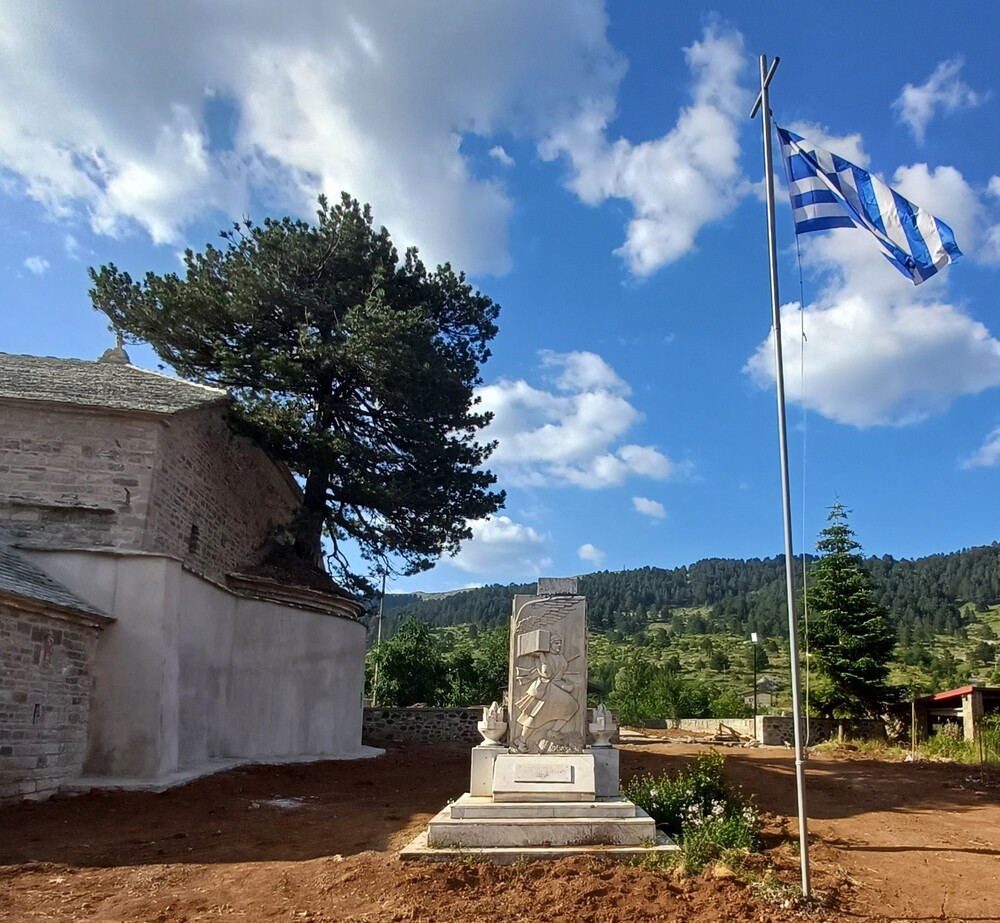
Monument to the Fallen. Samarina