
The first massacre and destruction of Mesovouno
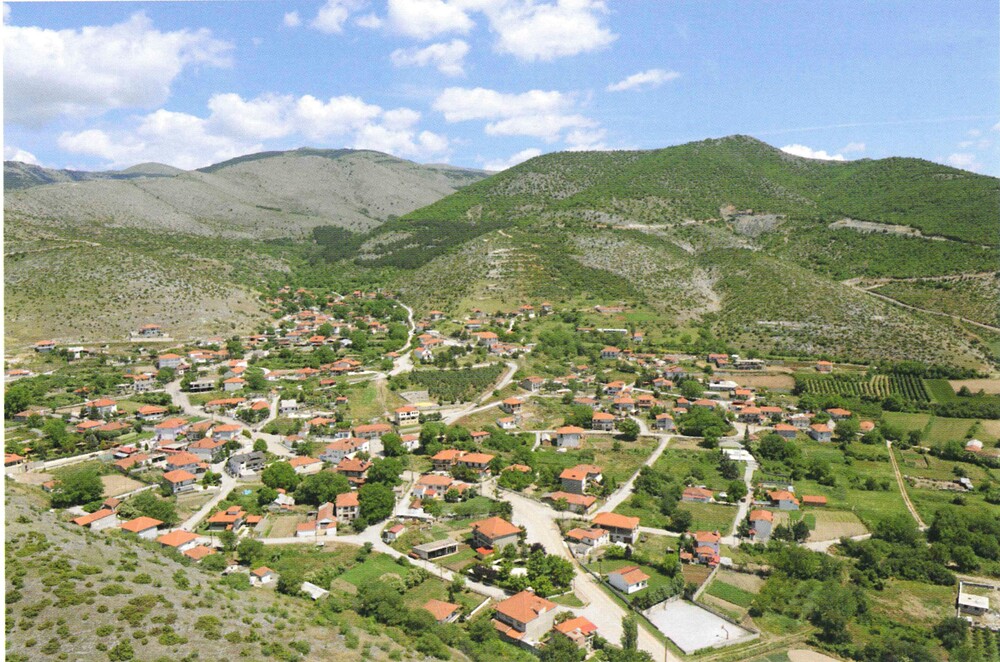
Short Description:
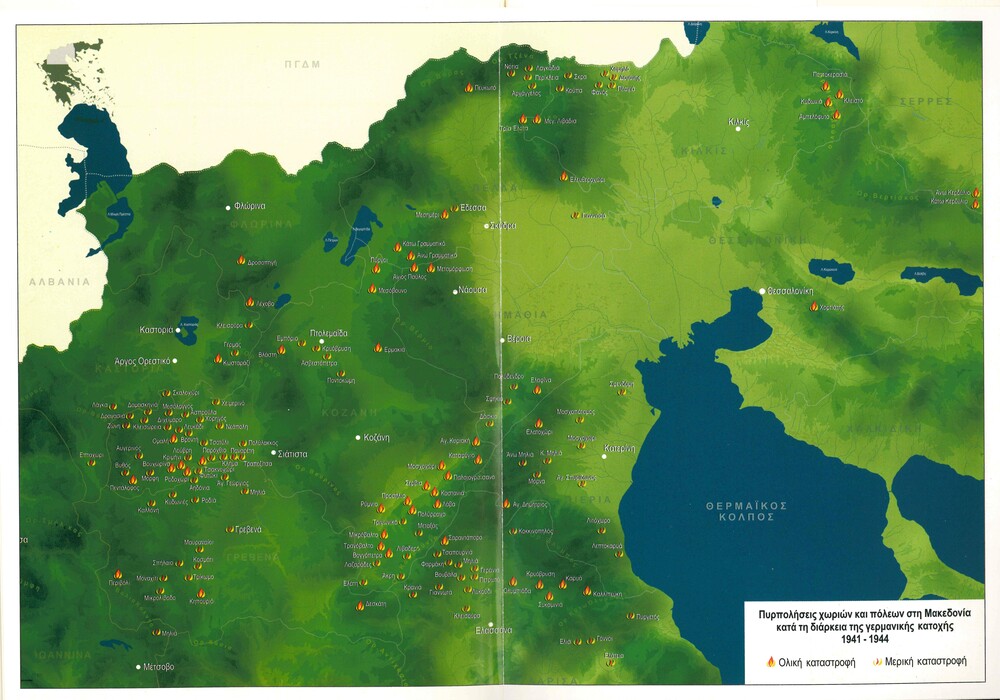
On the morning of October 23, 1941, strong German forces surrounded Mesovouno. At about 10:00 a.m., the army gathered the inhabitants in the centre of the village and proceeded to burn the houses. The men aged 16-60 were taken to the northern part of Mesovouno, while the women, children and elderly, after being separated into three groups, were forcibly evacuated from the village. Shortly afterwards, the approximately 142 men who had gathered in the north of the village were executed in cold blood by the occupying forces. The ferocity of the reprisals almost completely destroyed Mesovouno, as in addition to the displacement and execution of the civilian population, 195 of the 200 houses were burned.
Photo gallery:
Detailed Description:
The decision of the occupying forces to proceed with the massacre of Mesovouno in December 1941 is part of the practice of collective retaliation that the German forces had already adopted in the fall of 1941. The aim of this criminal practice was to destroy the resistance groups that had begun to carry out serious sabotage operations in Central Macedonia. In the case of Mesovouno, however, the causes of the massacre cannot be sought solely in the actions of the guerrillas against the German forces. The mistakes and rivalries between the representatives of the Greek administration in the region and the local cadres of the Communist Party of Greece (Kommounistiko Komma Elladas / KKE) played an important role.
The beginning of the controversy was the position of the president of the municipality. The then elected president, Ioannis Mavrenas, as well as the members of the Municipal Council, were considered to have communist leanings, and by order of the Prefect of Kozani, Konstantinos Georgantas (May 1941 - March 1942), they were replaced by a three-member executive committee, consisting of Pavlos Konstantinidis as president and Leonidas Aivatzidis and Efstathios Papadopoulos as members.
The involvement of the Prefect of Kozani, Konstantinos Georgantas, in the affairs of Mesovouno provoked reactions from some residents, including the deposed president, Ioannis Mavrenas. Mavrenas' pressure on the appointed president, Pavlos Konstantinidis, to resign, as well as his refusal to hand over the municipal office, became the reason for Georgantas' renewed involvement in Mesovouno's affairs. In particular, the Prefect turned to the occupation authorities and asked for their mediation in the implementation of the decision to appoint Konstantinidis. As a result, on October 10, 1941, a detachment of the Greek gendarmerie, accompanied by two German sergeants, arrived in the village. The operation failed to locate 11 members of the national liberation organization "Eleftheria" who were allegedly in the village. It did, however, lead to the arrest of Mavrenas and the wife of Neophytos Anthopoulos, a local member of the KKE party organization.
The tense atmosphere that prevailed in the village due to the presence of the gendarmerie and the German troops escalated in the afternoon of the same day when Konstantinos Ignatiadis, a resident of the village and a member of the "Eleftheria" organization, murdered the appointed president, Pavlos Konstantinidis. Two days later, members of the organization, in cooperation with local officials from Komnina and Pyrgoi, raided Mesovouno and captured a detachment of the Pyrgoi gendarmerie that had been sent to the village to conduct interrogations regarding the murder of Konstantinidis.
The conflict, which had begun to develop into an armed struggle, escalated with the notification of the German authorities by the Prefect of Kozani, the Public Prosecutor, the Chief and the Commander of the Kozani Gendarmerie, and with the written order to the inhabitants of Mesovouno, issued by the Prefect on October 15, 1941, warning of reprisals in case of non-compliance with his instructions. At the same time, the authorities, through the President of the Komnina Municipality, began negotiations with the rebels for the surrender of weapons and the release of prisoners. The talks resulted in the release of Anthopoulos' wife, four gendarmes and a peasant guard. However, the rebels refused to surrender their weapons and kept the stationmaster of Pyrgoi, Deputy Inspector Zafirakis, as a prisoner in exchange for the authorities' refusal to release Ioannis Mavrenas.
On the morning of October 16, about 100 men of the German 220th artillery regiment, accompanied by a detachment of the Greek gendarmerie, surrounded Mesovouno. Most of the rebels, as well as the male population of the village, had managed to leave the village before the troops arrived. The Germans, after checking for the presence of war material, executed Theodoros Akritidis, a resident of the village and a liaison between the Mesovouno and Pyrgoi guerrilla forces. They then left, leaving behind a security force of about 50 men to intimidate the residents and prevent the rebels from reforming. Deputy Inspector Zafirakis was also released during the operation.
In the following days, the inhabitants returned to Mesovouno, believing that the danger of German reprisals had passed. Nevertheless, the German authorities, who may have received false information during this period, deemed it necessary to destroy the village. On October 22, the German authorities informed the prefect of their intentions and requested the assistance of fifty gendarmes. On the morning of October 23, a large military force, consisting of about 40 trucks and more than 800 men, moved toward Mesovouno and surrounded it. Around 10:00 a.m., a part of the army, after gathering all the villagers, began to burn the houses. At the same time, the German forces separated the male population between the ages of 16 and 60 from the rest of the population and took them to the northern part of the village. The rest, women, children and old people, were divided by German order into three groups and transported to the villages of Kozani, Veroia and Florina. At about 11:00 a.m., at the northern end of the village, the men of Mesovouno were executed by automatic weapons fire.
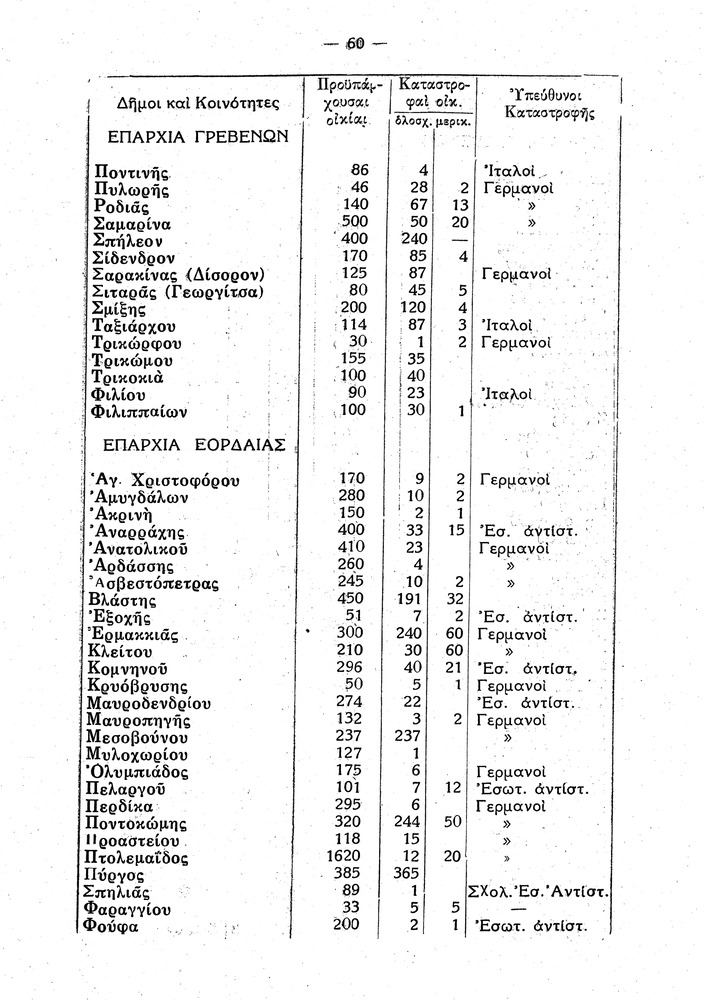
The Mesovouno massacre is one of the most tragic moments in modern Greek history. The number of victims, according to the German administration, was 142, while other sources refer to 136 or 165 people. The destruction suffered by Mesovouno was almost total, since in addition to the human losses, the German forces burned most of the buildings, destroying 195 of the 200 houses in the village.

Indicative Literature:
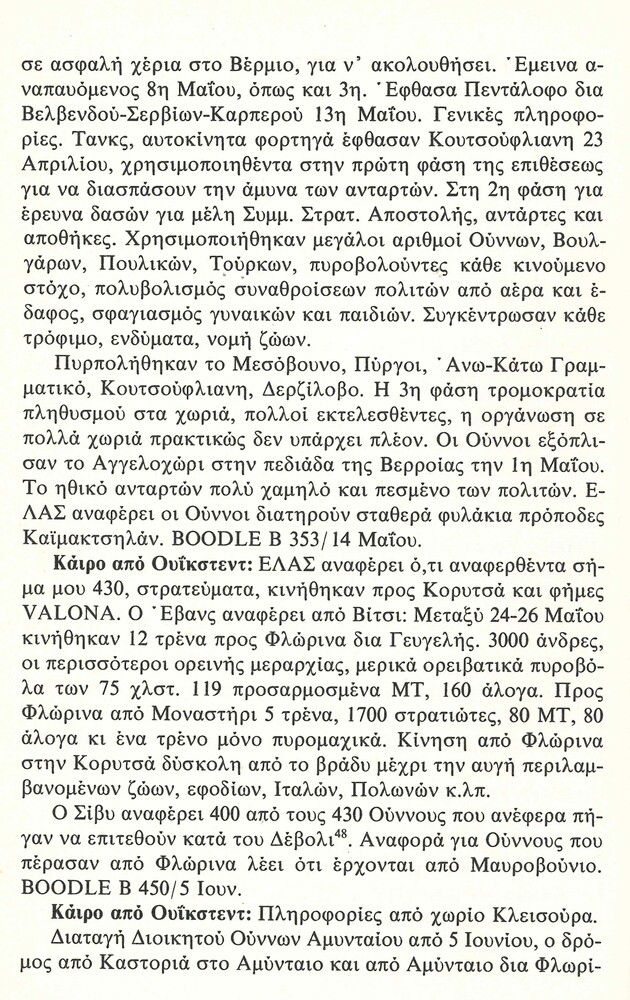
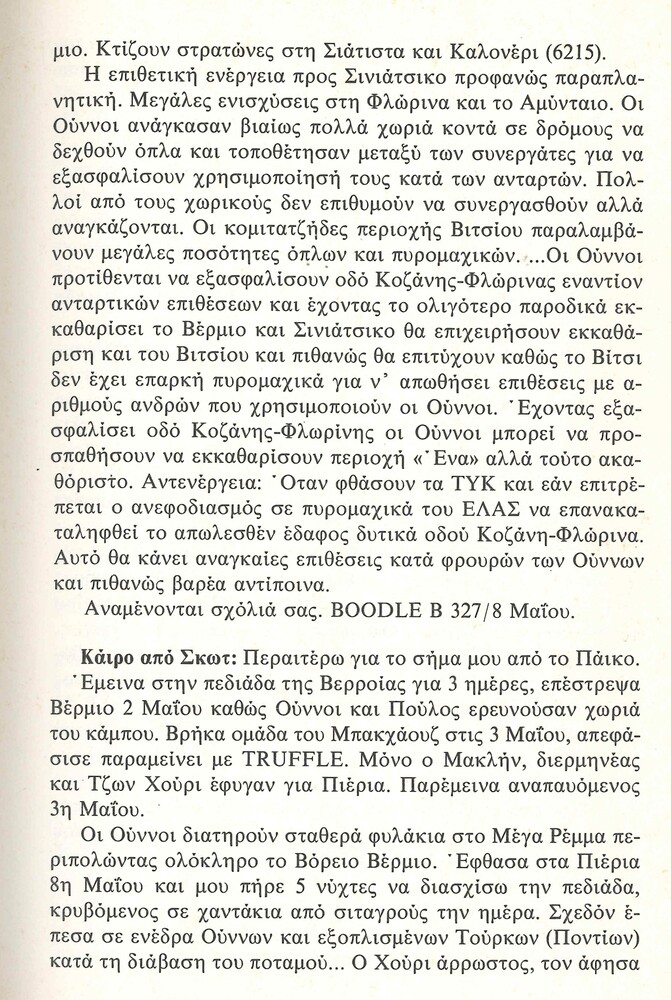
Δίκτυο Μαρτυρικών Πόλεων και Χωριών της Ελλάδας περιόδου 1940-1945, Ελληνικά Ολοκαυτώματα 1940-1945, Αθήνα 2010.
Δοξιάδης Κ. Α., Καταστροφές οικισμών, Αθήνα 1946.
Δορδανάς Σ.Ν., Το αίμα των αθώων. Αντίποινα των Γερμανικών Αρχών Κατοχής στη Μακεδονία, 1941-1944, Αθήνα 2007.
Υπουργείον Κοινωνικής Πρόνοιας. Διεύθυνσις Συντονισμού, Καταστραφείσαι πόλεις και χωριά συνέπεια του Πολέμου 1940-1945, Αθήνα 1946.
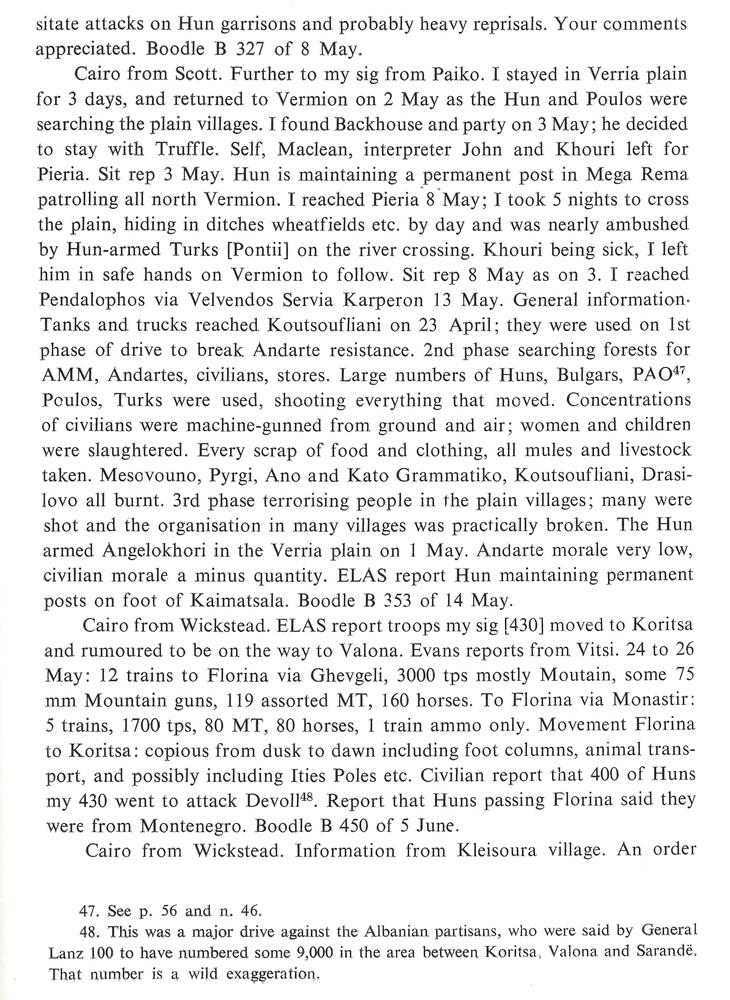
Hammond N.G.L., Δυτική Μακεδονία. Αντίσταση και Συμμαχική στρατιωτική αποστολή 1943-1944, Αθήνα 1990.
Hammond N.G.L., The allied military mission and the Resistance in West Macedonia, Institute for Balkan Studies 244, Thessaloniki 1993.
Related locations
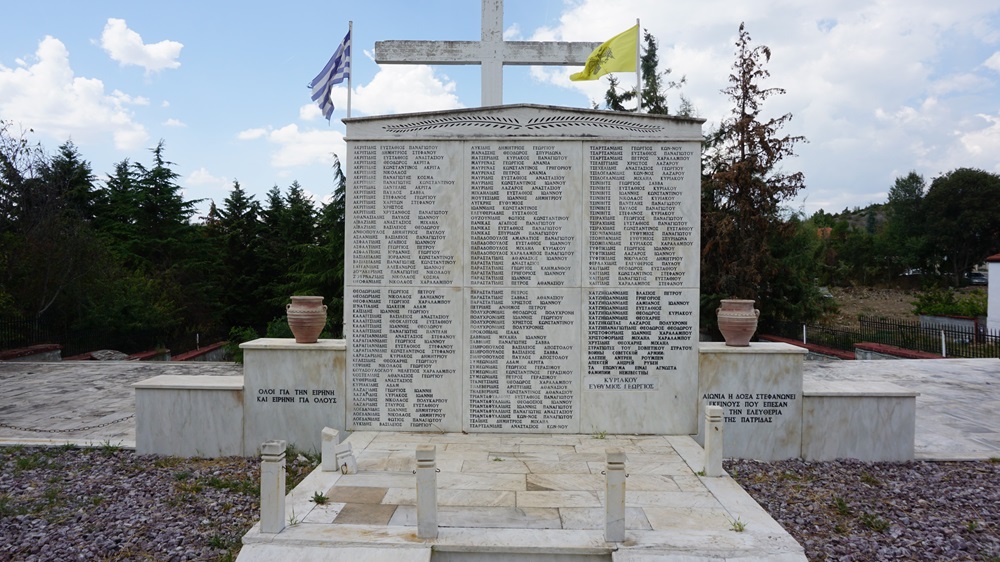
Memorial to the victims of resistance in Mesovouno
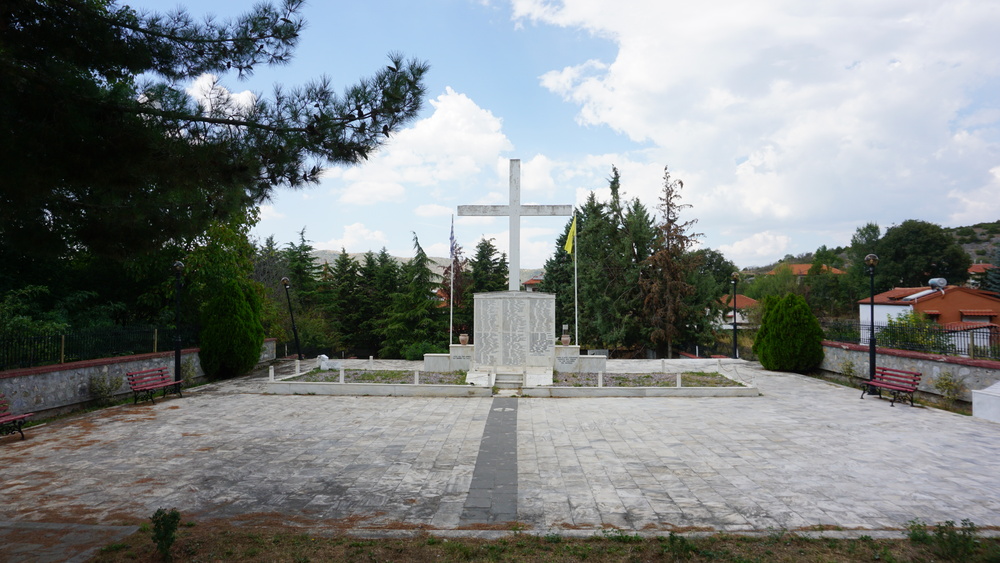
Memorial to the victims of resistance in Mesovouno
Monument to the Fallen in 1944. Mesovouno, Kozani
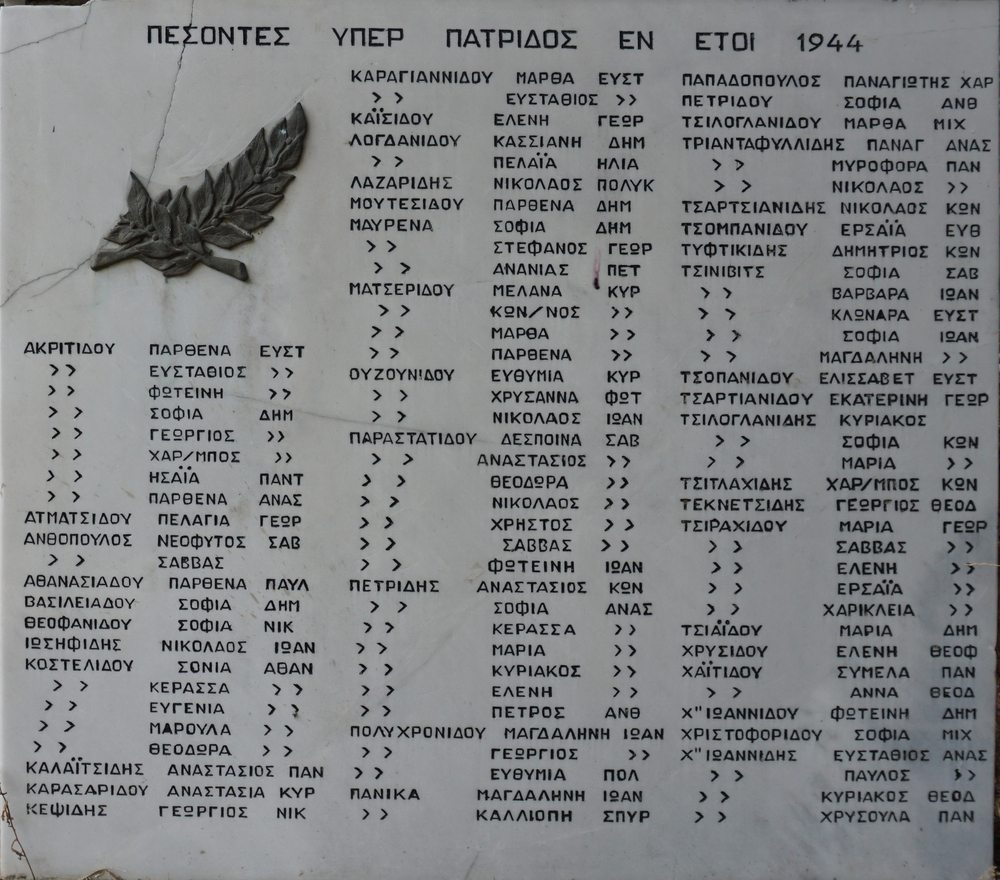
Monument to the Fallen in 1944. Mesovouno, Kozani
Monument to the Fallen. Mesovouno, Kozani
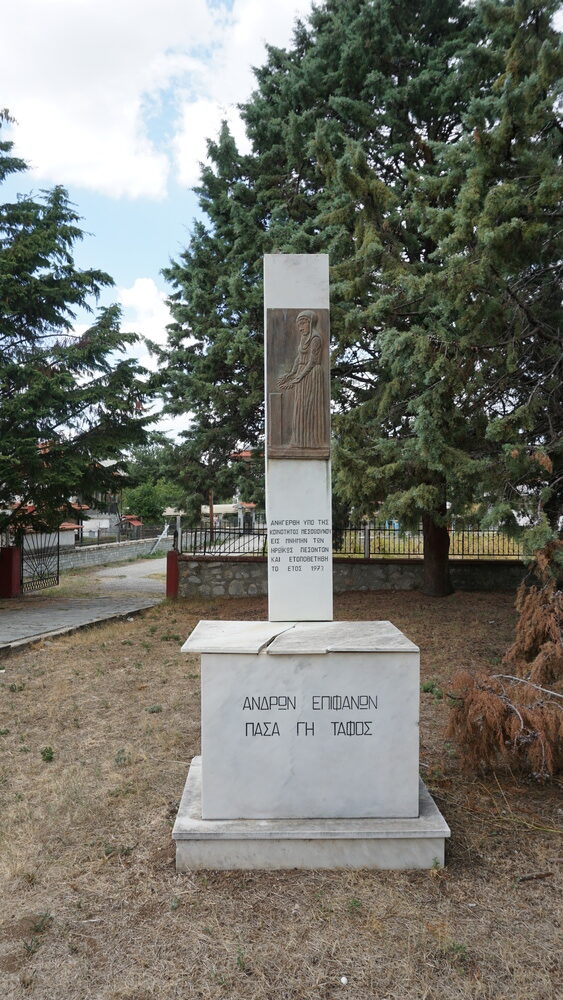
Monument to the Fallen. Mesovouno, Kozani