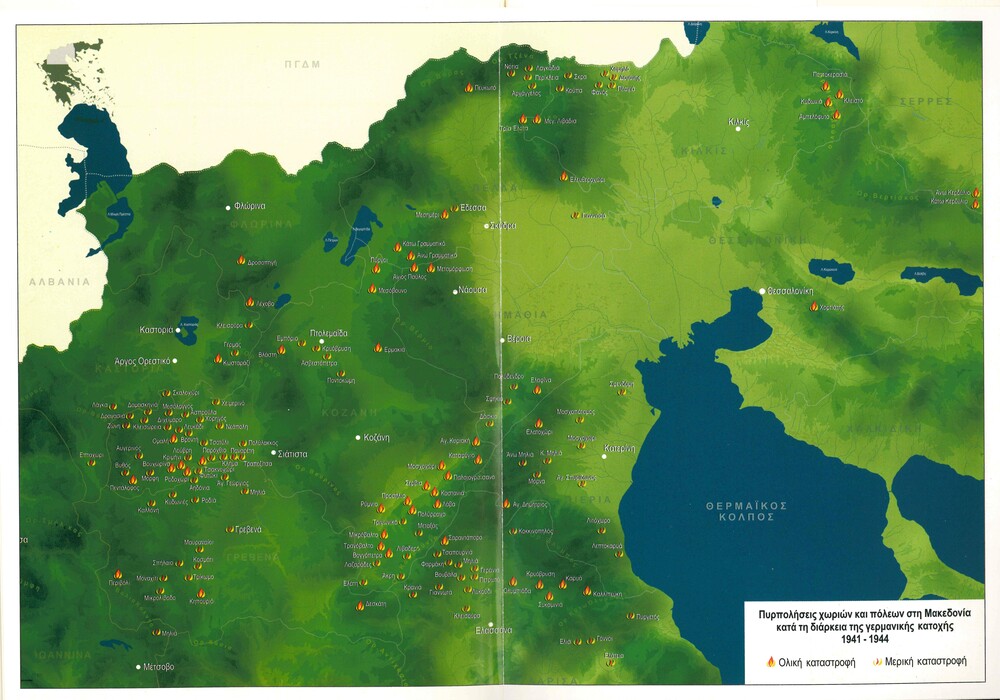
In the spring of 1944, the occupying forces organized a series of military operations in Western Macedonia aimed at destroying local resistance groups. To this end, they used powerful military forces consisting of Wehrmacht and SS battalions, as well as groups of armed Bulgarian Komitadji and collaborationists. Despite the intensity and extreme violence against the civilian population, with the destruction of villages, torture, imprisonment, forced displacement and mass executions of men, women, children and the elderly, these operations did not achieve their objectives until May 1944. On the contrary, instead of being eliminated, the guerrillas intensified their attacks against the German forces, collaborationists, and the transportation infrastructure.
Despite the failure of previous operations and the lack of long-term benefits from the violent attacks against civilians, the occupation authorities decided to continue the attacks against the guerrilla groups. After much deliberation, they planned an even harsher operation, dubbed "Golden Eagle", aimed at eliminating the guerrillas of the Greek People's Liberation Army (Ellinikos Laikos Apeleutherotikos Stratos / ELAS) in the areas of Metsovo, Konitsa, Kastoria and Grevena. This operation, which began on July 3 and ended on July 13, lasted longer than any previous operation in central and western Macedonia and caused heavy civilian casualties and extensive material damage to villages in the region.
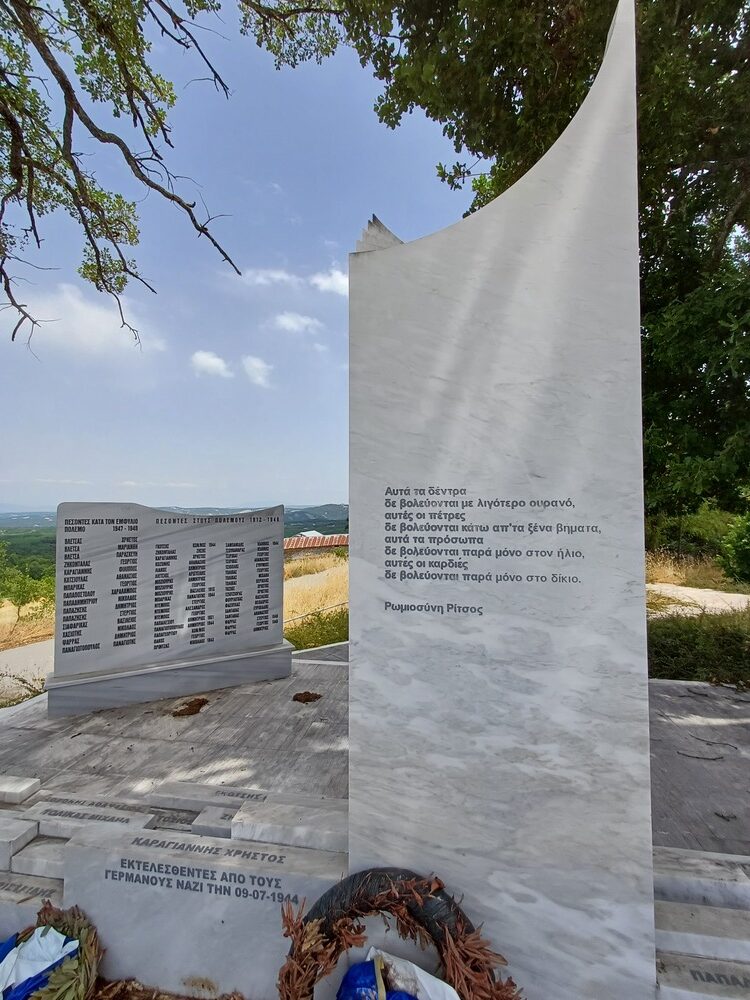
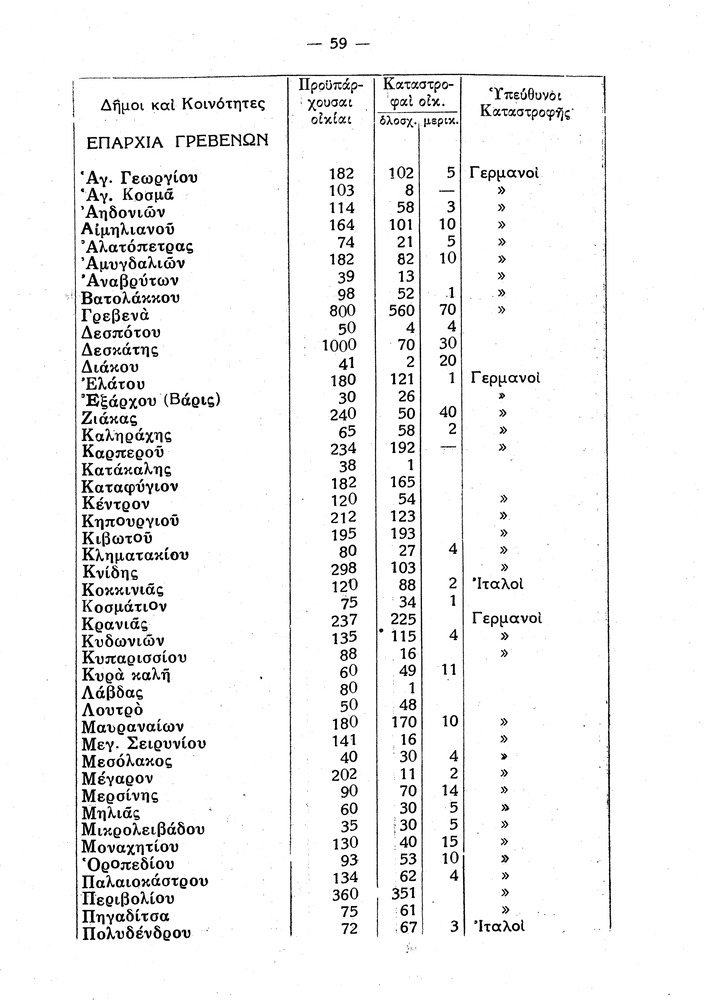
During the operation "Golden Eagle", the village of Kosmati in Grevena was targeted by the occupation authorities. The inhabitants of Kosmati, having been informed of the violent attacks and massacres that were taking place in the neighboring areas, abandoned their village and fled to the adjacent forests for shelter. On July 9, 1944, despite the threatening presence of the occupying forces, and after assurances from them that no violence would be used against those who returned voluntarily, the majority of the inhabitants decided to return to the village holding white handkerchiefs in their hands as a sign of peace and submission.
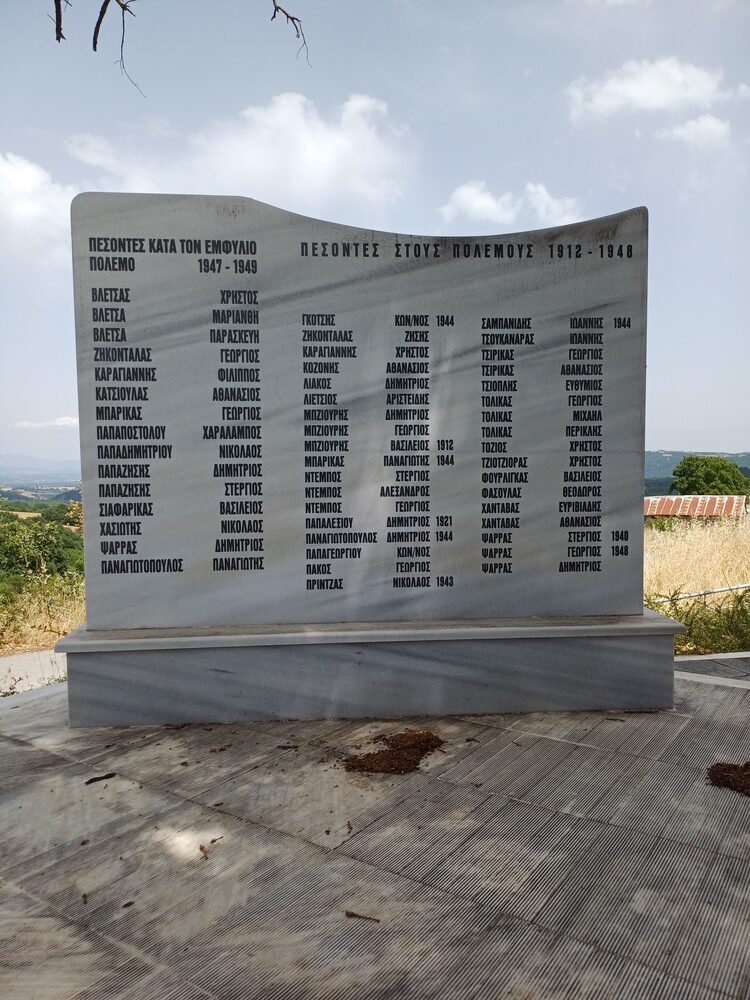
When the residents returned to Kosmati, the occupying forces gathered them in the village church, despite assurances of safety and the avoidance of violence. After separating the men from the women, children and elderly, they selected 32 men and took them to the St. Nicholas Chapel, which was then under construction. Inside the chapel, a German detachment attacked the civilian prisoners with automatic weapons fire. During the shooting, 3 men managed to escape through the window openings, while the others were killed by the detachment's fire.
After the executions, the Germans burned the chapel and the 29 bodies of the Kosmati civilians. Shortly thereafter, the attack continued with the burning of all the huts and makeshift buildings in the village and the killing of all the animals.
Operation Golden Eagle was the last major effort to clear Macedonia of guerrillas before the Axis withdrawal from Greece. Although the objectives of the operation were achieved, with the guerrilla forces severely damaged and disorganized, the benefits to the Germans were short-lived, as had been the case with the previous operations in the spring of 1944. In the case of Grevena in particular, the wider area was returned to ELAS control by the end of July, although the rebel army in the region was still in a state of rebuilding.
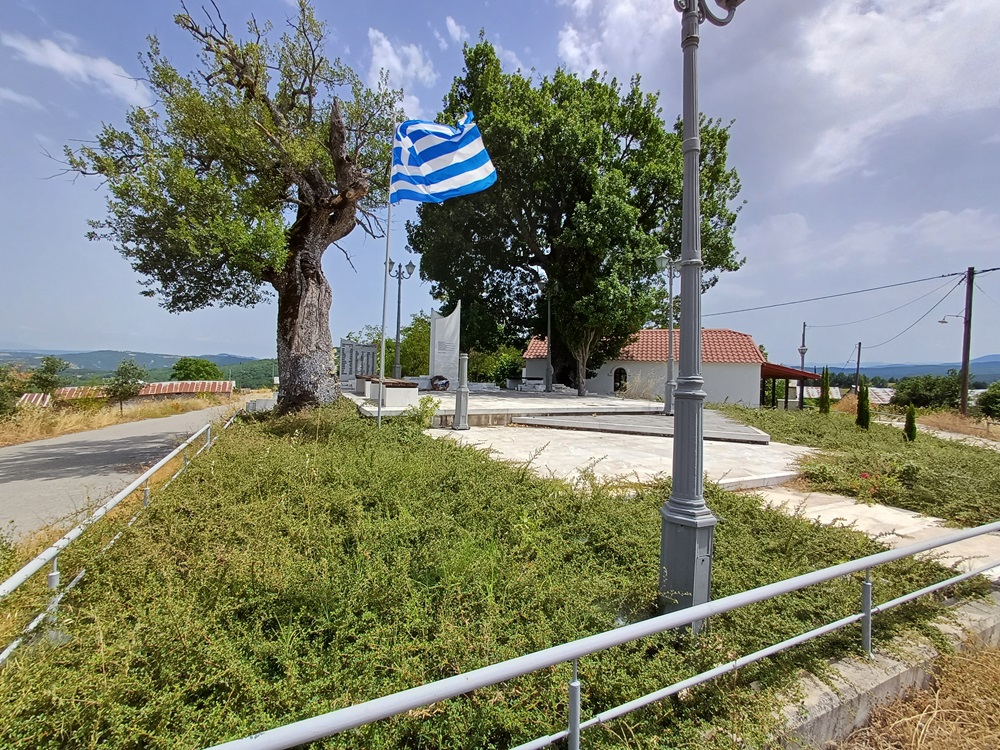
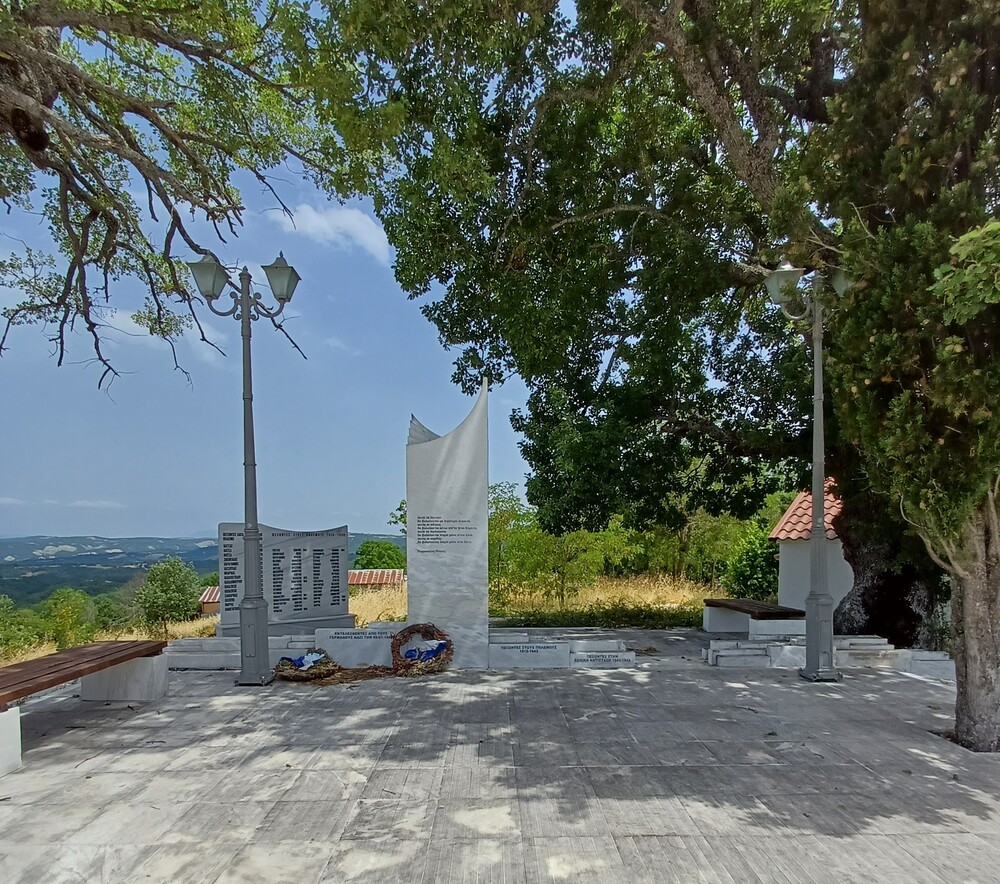
In March 2020, the Greek State, by Presidential Decree No. 32/11.03.2020, declared Kosmati a Martyr's Village, paying tribute to the memory of the victims of the massacre.