
The massacre and destruction of Katafygio
Short Description:
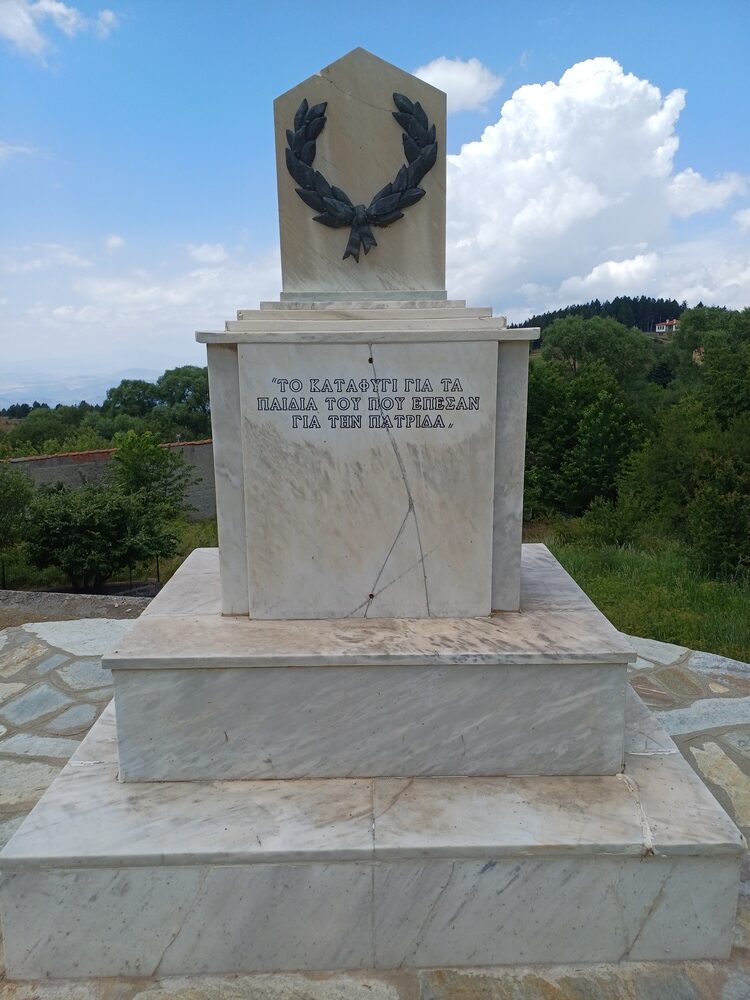
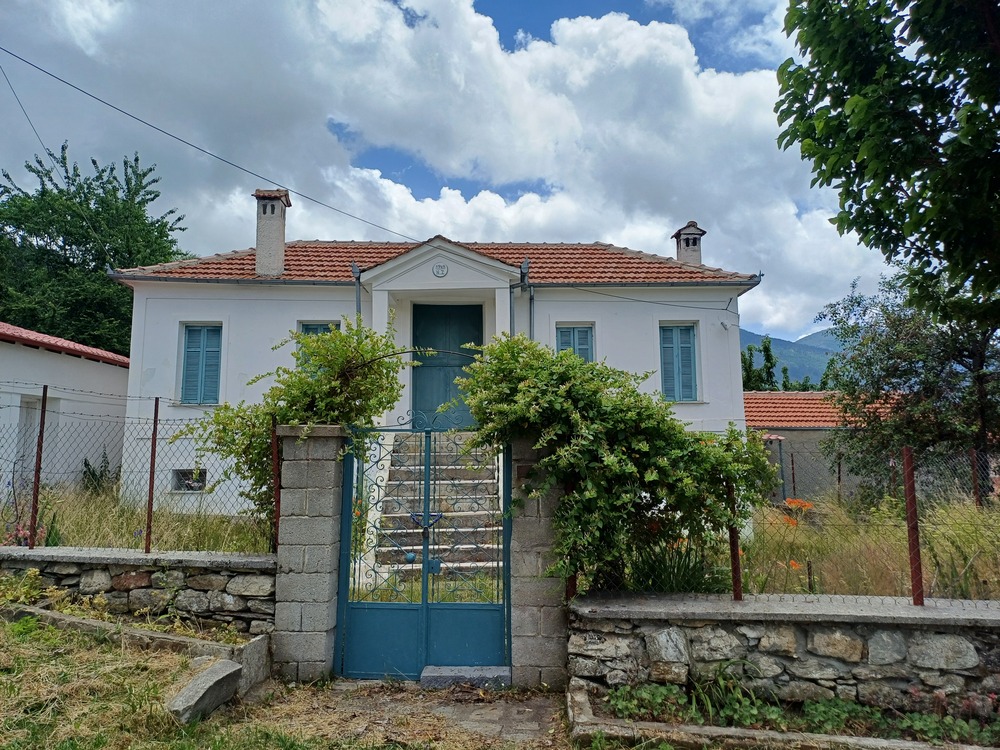
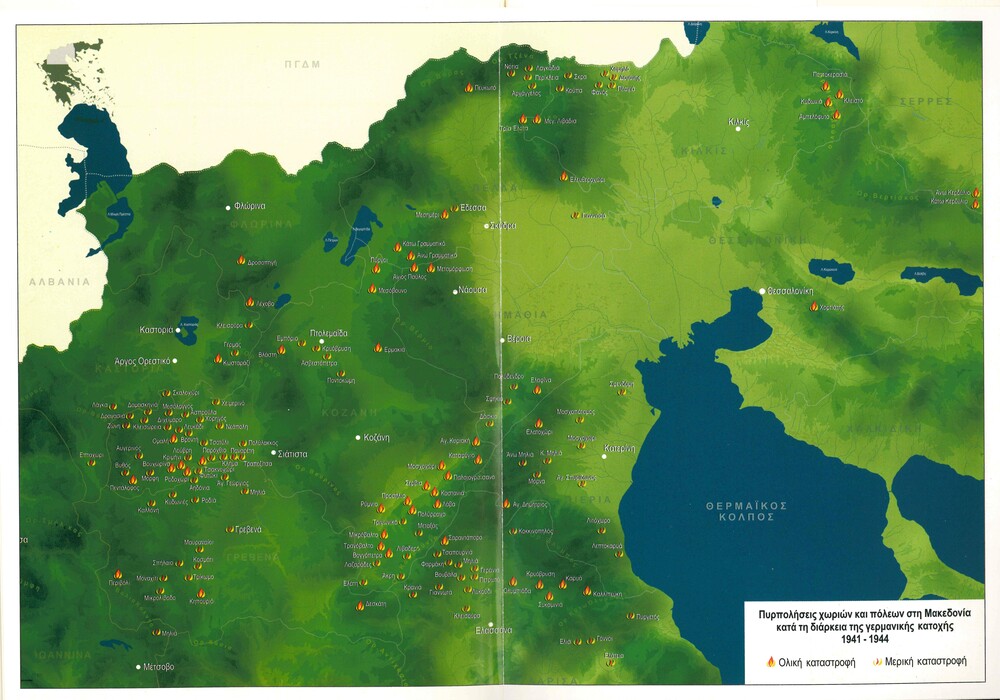
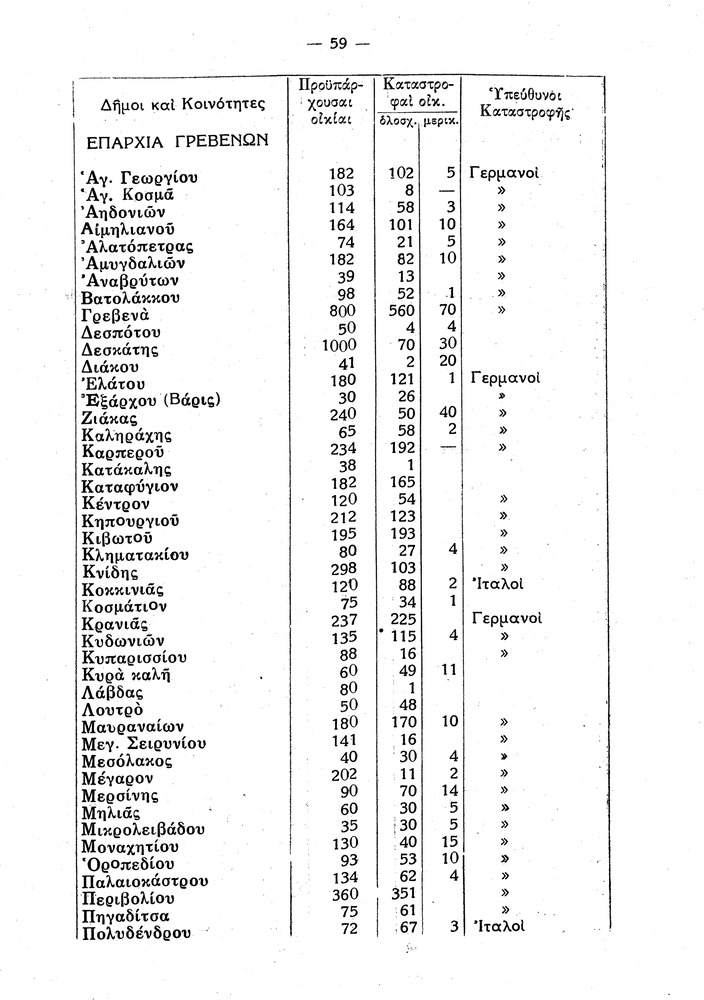
On December 18, an SS company attempted to enter Katafygio, but withdrew in the face of guerrilla resistance. Two days later, on December 20, the occupying forces attacked again and managed to take the village, which had already been abandoned by the guerrillas and the majority of its inhabitants. This was followed by massive looting, burning and violence against the civilian population, which continued until December 23. The toll was high: 21 civilians were executed, while almost 450 houses, 3 churches and 2 schools were set on fire. The only structures that survived the total destruction were the church of St. Nicholas and one house. In 2017, the Greek state recognized Katafyio as a Martyred Village, honoring the memory of the victims of the massacre.
Photo gallery:
Detailed Description:
At the beginning of December 1943, the occupation authorities planned an operation to eliminate the guerrillas in the areas between the mouths of the rivers Aliákmon, Veria, Servia and Katerini. The operation, called "Seahorse", was to begin on December 18, 1943. As part of the planning for the operation, the 7th Company of the 2nd Battalion of the 7th SS Regiment, led by Captain Gerhard Klingenhöfer, was sent to the village of Velventos to prevent the escape of rebel groups to the west. On December 18, Klingenhöfer's troops moved toward the refuge, where the 2nd Battalion of the guerrillas of the Greek People's Liberation Army (Ellinikos Laikos Apeleutherotikos Stratos / ELAS), consisting of about a hundred men, was stationed.
The SS company, supported by an artillery squadron positioned north of Servia, arrived first in the west of the village, in the area of the church of Agios Dimitrios and the cemetery. There was an ELAS outpost and a small patrol of about five guerrillas. After a brief skirmish, the occupying forces captured the outpost and the rebels fled to the northeast. Shortly thereafter, however, stronger rebel forces returned and attacked the German company, which fled to the northwest. During the Battle of Katafygio on December 18, four men of the 7th SS Company were killed. In retaliation for the failure to capture the Katafygio, Klingenhefer's soldiers entered the village of Agia Kyriaki (Skouliari) and burned and destroyed houses.
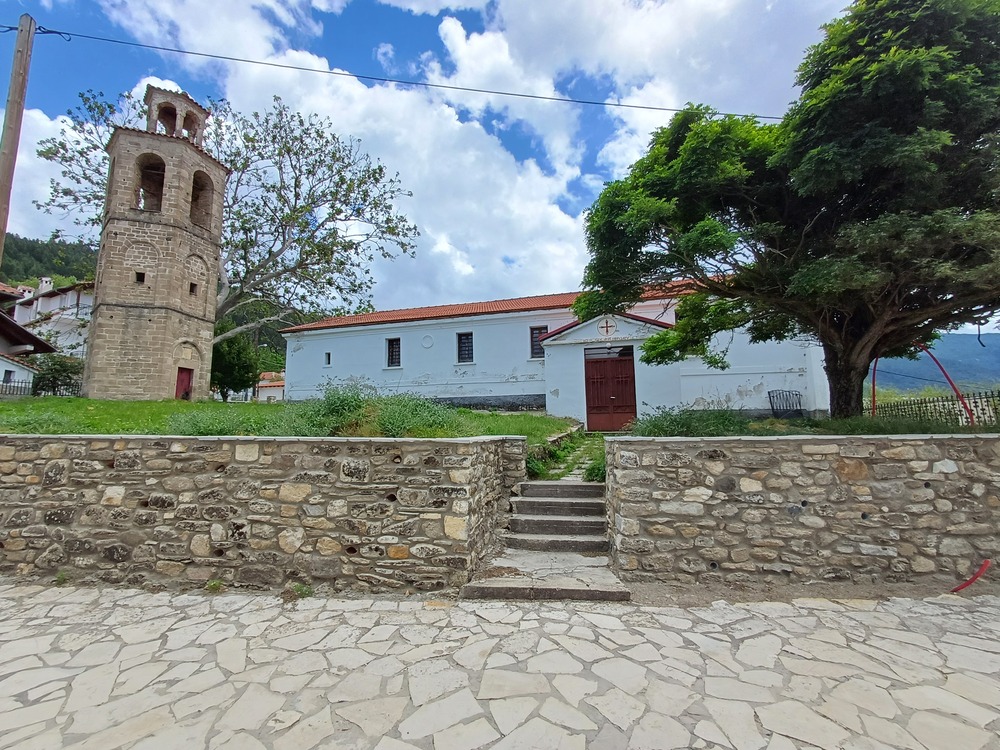
On December 20, after the destruction of the villages of Ryakia and Elatochori, a coordinated force of artillery, the 1004th Infantry Battalion, and the Battle Group under the command of Colonel Emberlein attacked and occupied Katafygio. The rebels and most of the villagers, having been warned of the impending attack, had already left the area and occupied Katafygio in the adjacent wooded areas. Between December 20 and 23, the occupying forces looted and set fire to the deserted village, causing immense destruction. About 450 houses, 3 churches and 2 schools were burned. The church of St. Nicholas, a monument of the 18th century, is one of the few, if not the only case of buildings that survived the destruction. Along with the burning, the occupying forces carried out executions and arrests of those residents who attempted to return to Katafygio from their hiding places. The captured residents were temporarily transferred to Velvento and then forcibly expelled to villages east of Kozani.
During the attacks that took place from December 18 to 23, 1943, 21 residents of Katafygio, including 11 women, died as a result of the violence of the occupying forces. Most of them were executed or burned alive on December 23. The massacre of Katafygio, which took place between December 20 and 23, marked the end of Operation Seahorse. Despite the widespread destruction and executions of civilians by the occupation forces in the areas north of Mount Olympus, Operation Seahorse failed to achieve its main objective, which was to eliminate the guerrilla bands in the area.
In June 2017, the Greek state, through Presidential Decree No. 49/19.05.2017, declared Katafyio a Martyred Village, thus honoring the memory of the victims of the massacre.

Indicative Literature:
Δοξιάδης Κ. Α., Καταστροφές οικισμών, Αθήνα 1946.
Δορδανάς Σ.Ν., Το αίμα των αθώων. Αντίποινα των Γερμανικών Αρχών Κατοχής στη Μακεδονία, 1941-1944, Αθήνα 2007.
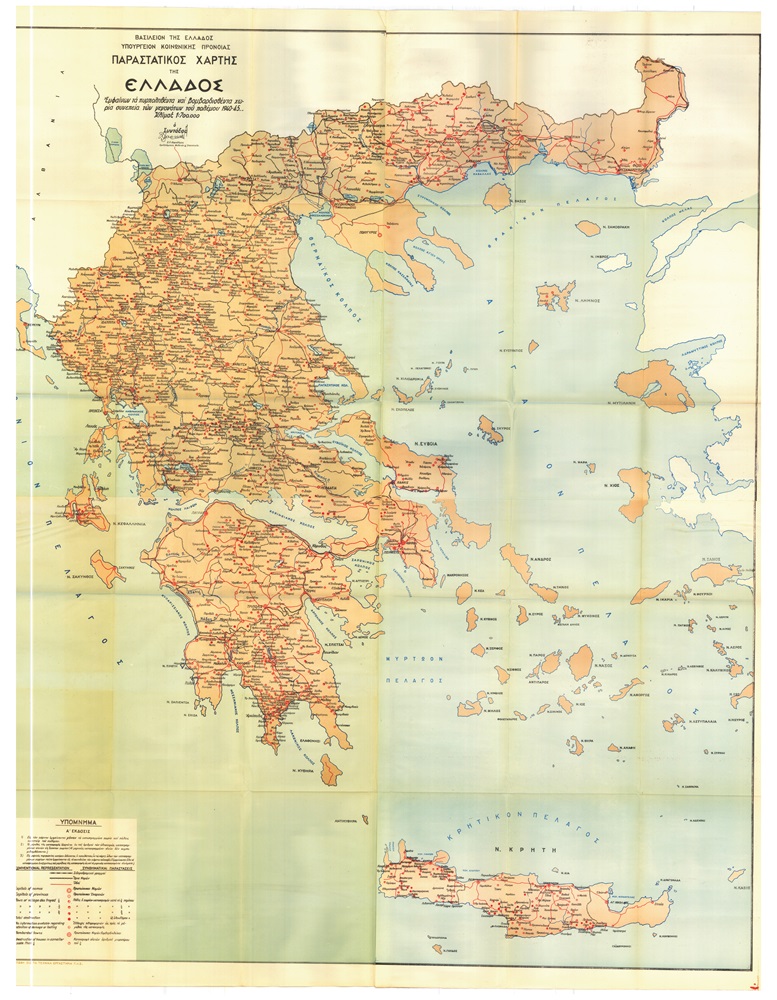
Υπουργείον Κοινωνικής Πρόνοιας. Διεύθυνσις Συντονισμού, Καταστραφείσαι πόλεις και χωριά συνέπεια του Πολέμου 1940-1945, Αθήνα 1946.
Related locations
Monument to the Fallen. Katafygio, Kastoria
Monument to the Fallen. Katafygio, Kastoria