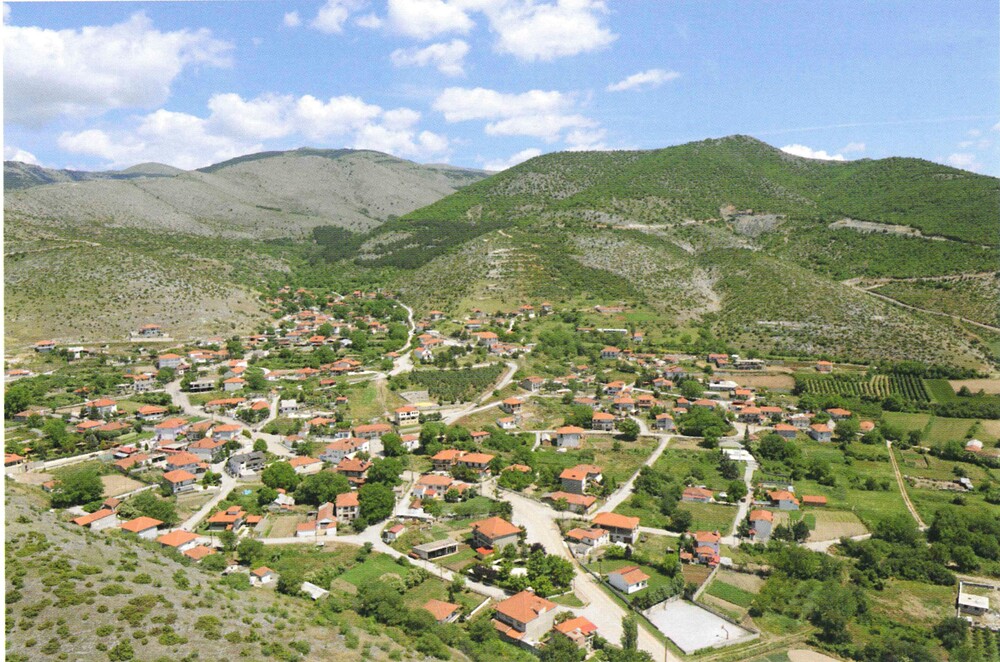
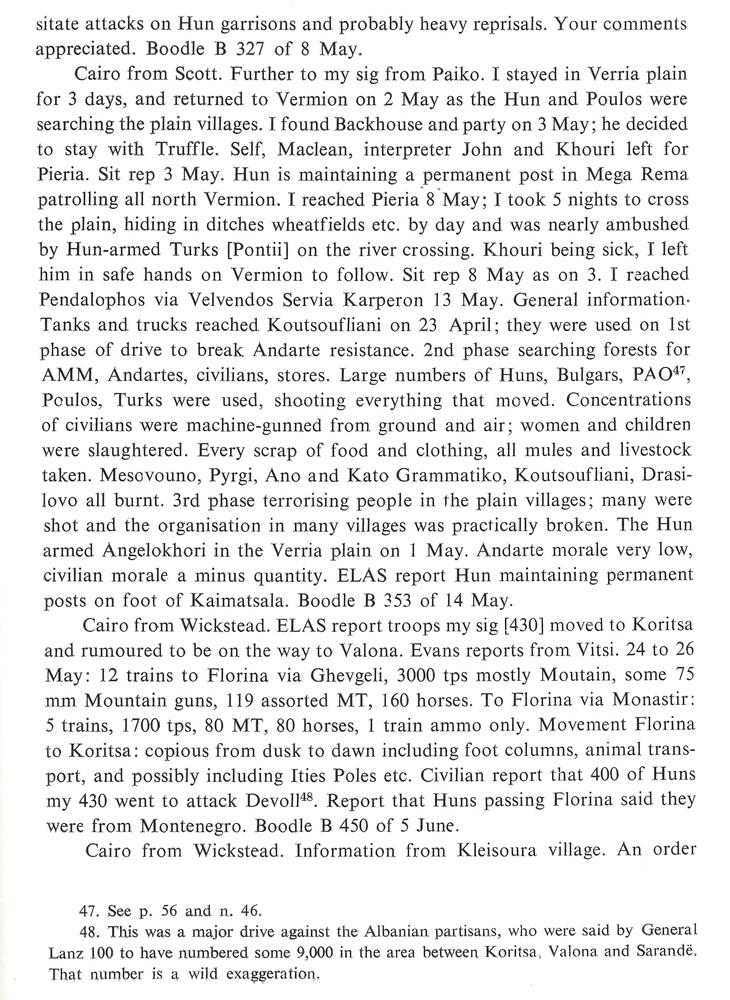
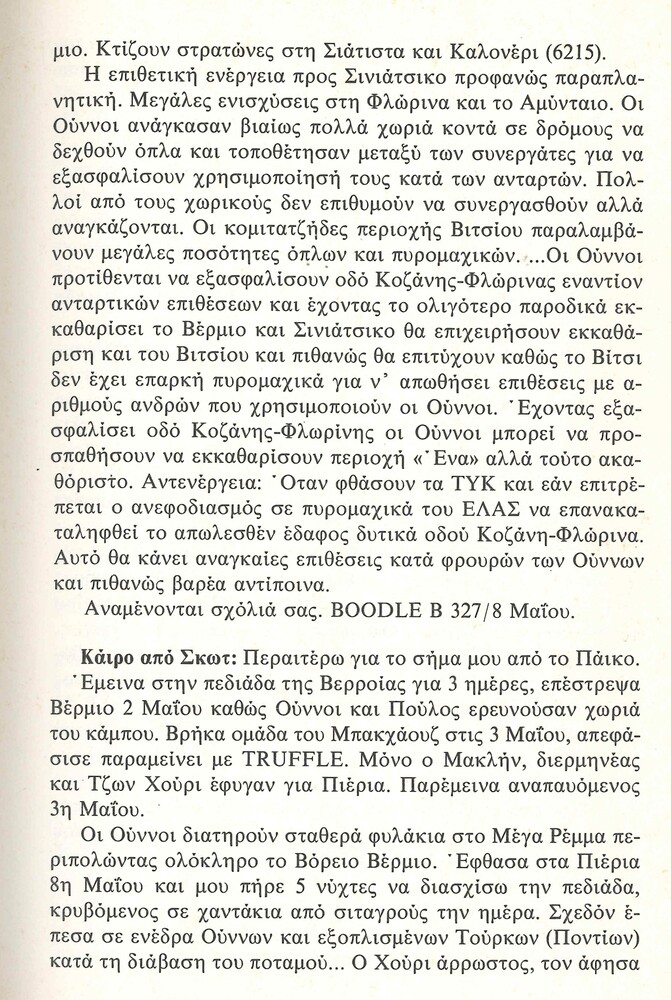
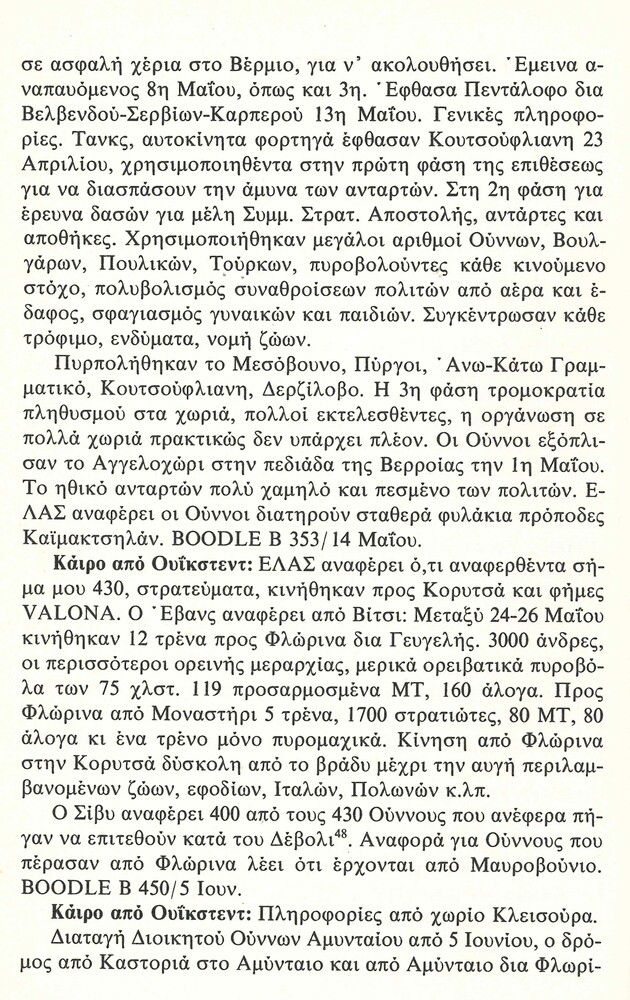
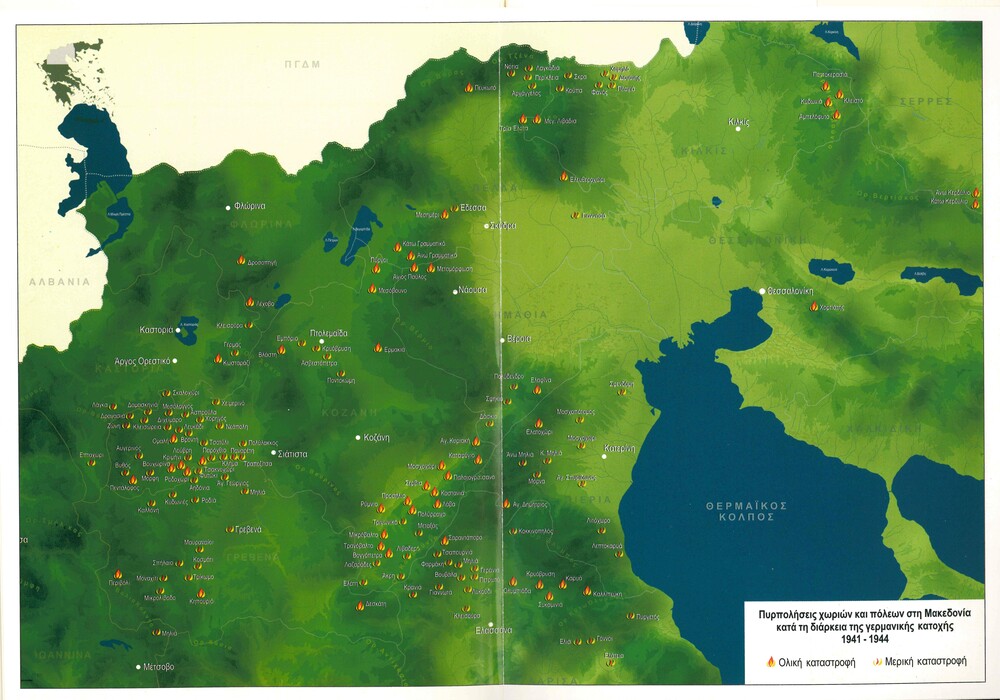
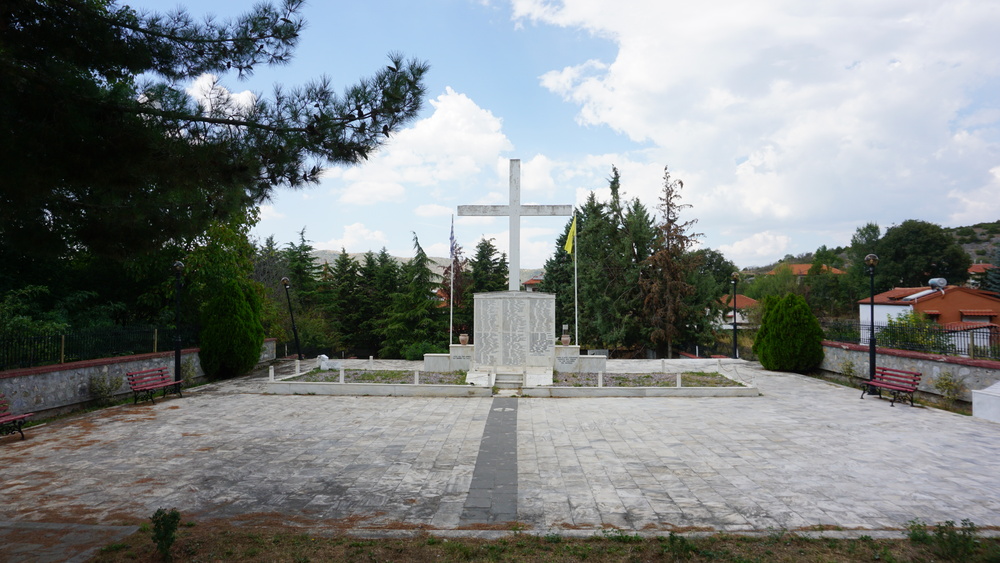
In April 1944, the occupying forces, implementing the "Maigenwitter" plan, tried to take full control of the passes of the Vermio mountain range and surround the guerrillas, who were active in the surrounding areas. On April 23, 1944, Schutzstaffel (SS) troops, in cooperation with Italian soldiers and Greek collaborators, invaded Mesovouno and Pyrgoi in search of guerrillas of the Greek People's Liberation Army (Ellinikos Laikos Apeleutherotikos Stratos / ELAS), as well as British and American officers and soldiers active in the area.
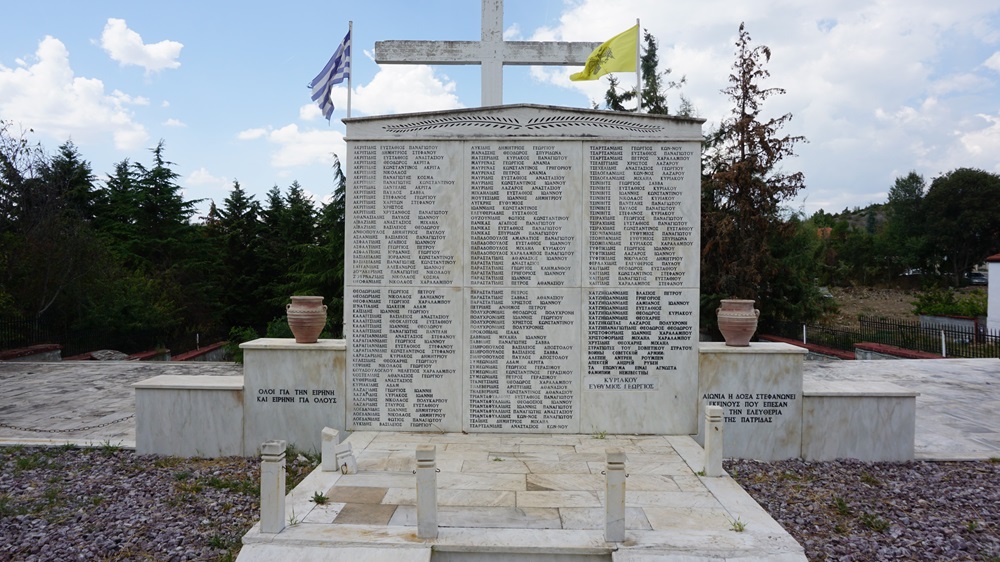
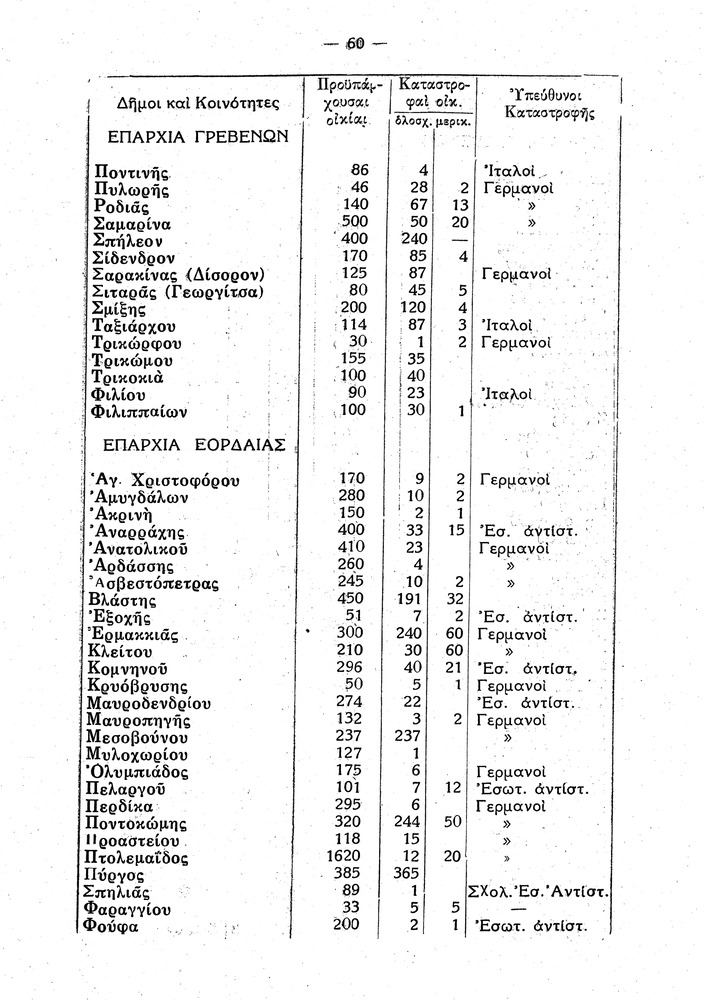
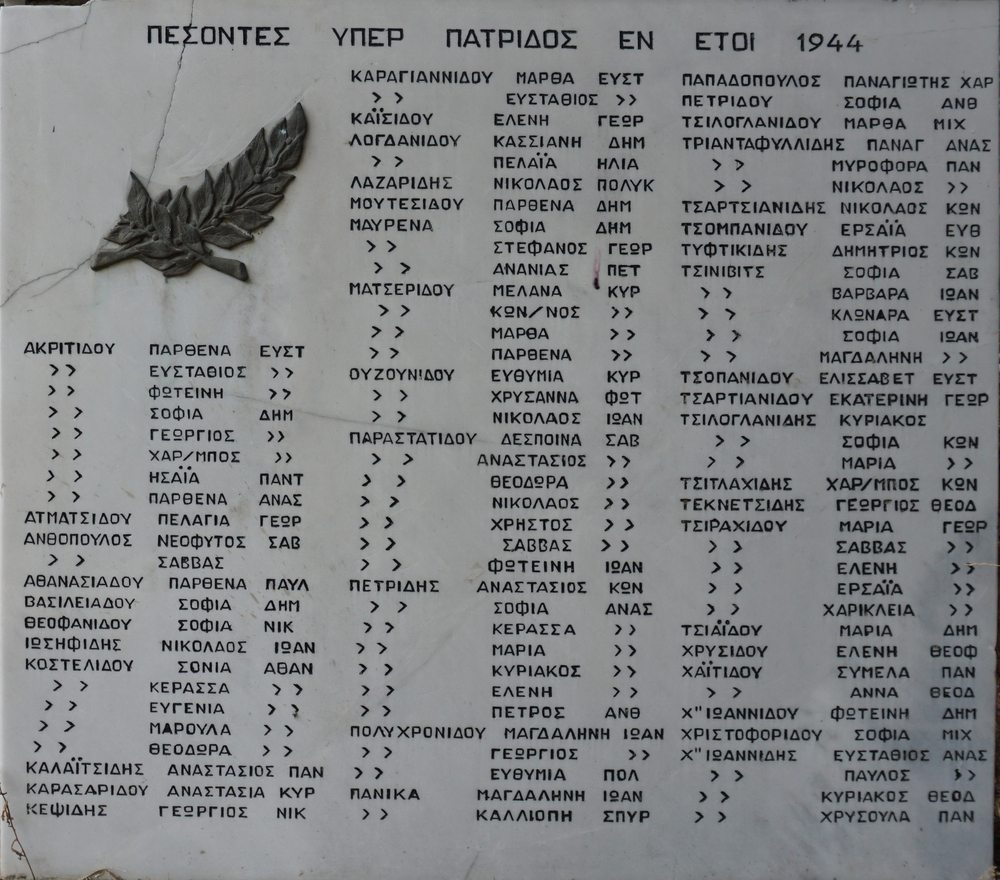
On April 24, SS battalions in Mesovouno set fire to the village and turned on the inhabitants. About 100 villagers, most of them women, children and the elderly, were sent to a concentration camp in Ptolemaida. Another 35 people who tried to escape to Vermio were captured and executed or burned alive by the occupying forces. Another large group of about 150 people who tried to escape to Ano Grammatiko were found on the slopes of Vermio and executed. At the end of the operation, the women and children who had been rescued and sent to Ptolemaida were forbidden to return to the village. For this reason, most of them settled in the villages of Eordea.
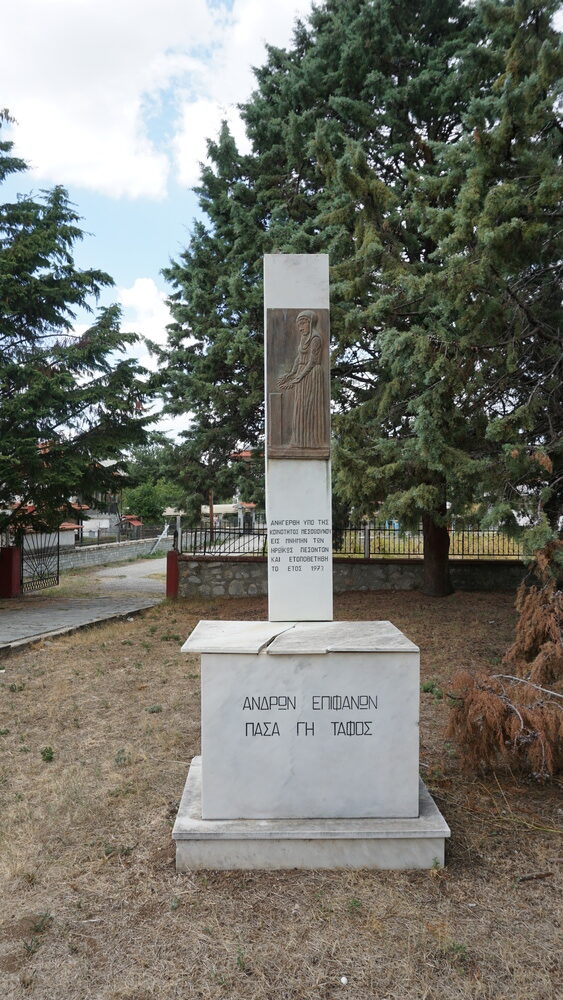
In total, during the German occupation, from April 1941 to October 1944, three violent reprisal operations were carried out in Mesovouno, which resulted in the death of many civilians, the complete destruction of the settlement structure and the expulsion of the survivors. The first took place on October 23, 1941, with the arrival of the German army, the execution of more than 142 men and the destruction of 195 of the 200 houses in the village. The second took place in 1943, in the second half of May. During this operation, the makeshift houses built after the 1941 massacre were set on fire. Finally, with the third operation on April 24, the inhabitants of Mesovouno once again experienced the brutality of war and once again witnessed the barbarity of the Nazis.
In December 1998 Mesovouno was declared a Martyred Village by Presidential Decree No. 399/07.12.1998.