
Battle of Rimnio
Short Description:
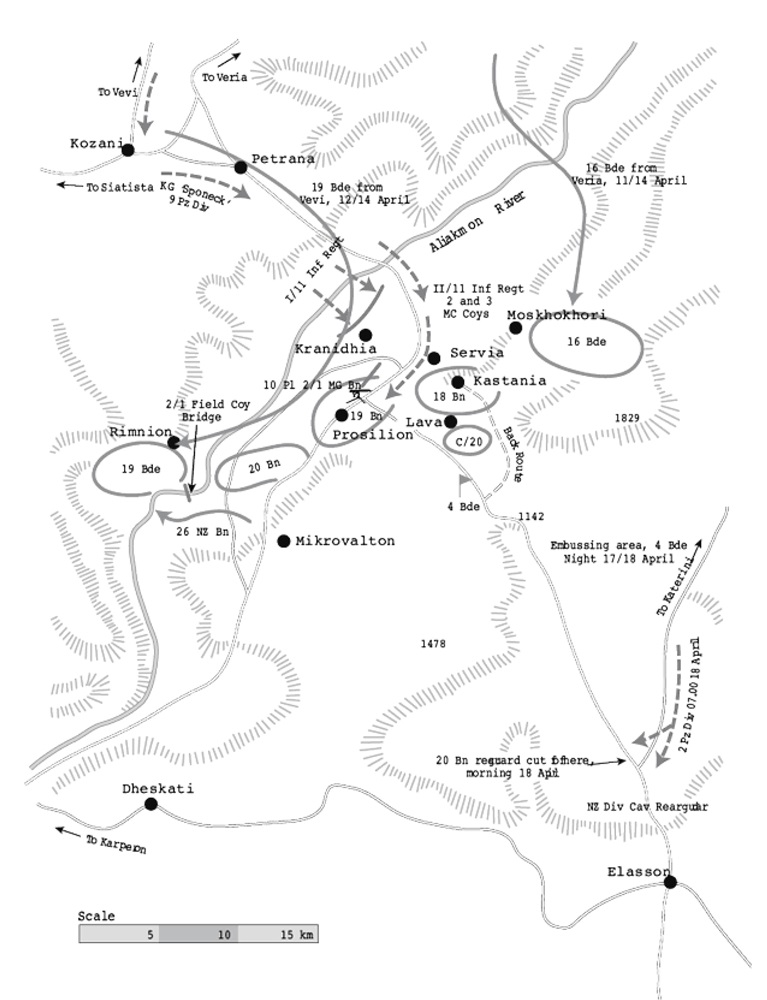
After the occupation of the Klidi Pass and the tank battle south of Ptolemaida, the Allied forces of Group "W" began to retreat southward. On April 15, 1941, German divisions that had crossed the Aliákmon River in assault boats clashed with New Zealand forces at Rymnio. Three fierce attacks followed, during which the New Zealanders defended themselves vigorously and managed to hold their positions. Overall, in the Battle of Rymnio, the New Zealanders, thanks to their well-organized defense, inflicted heavy losses on the Germans, with 200 killed and wounded and 217 prisoners, while they suffered considerably fewer losses, with only 2 killed and 6 wounded.
Photo gallery:
Detailed Description:
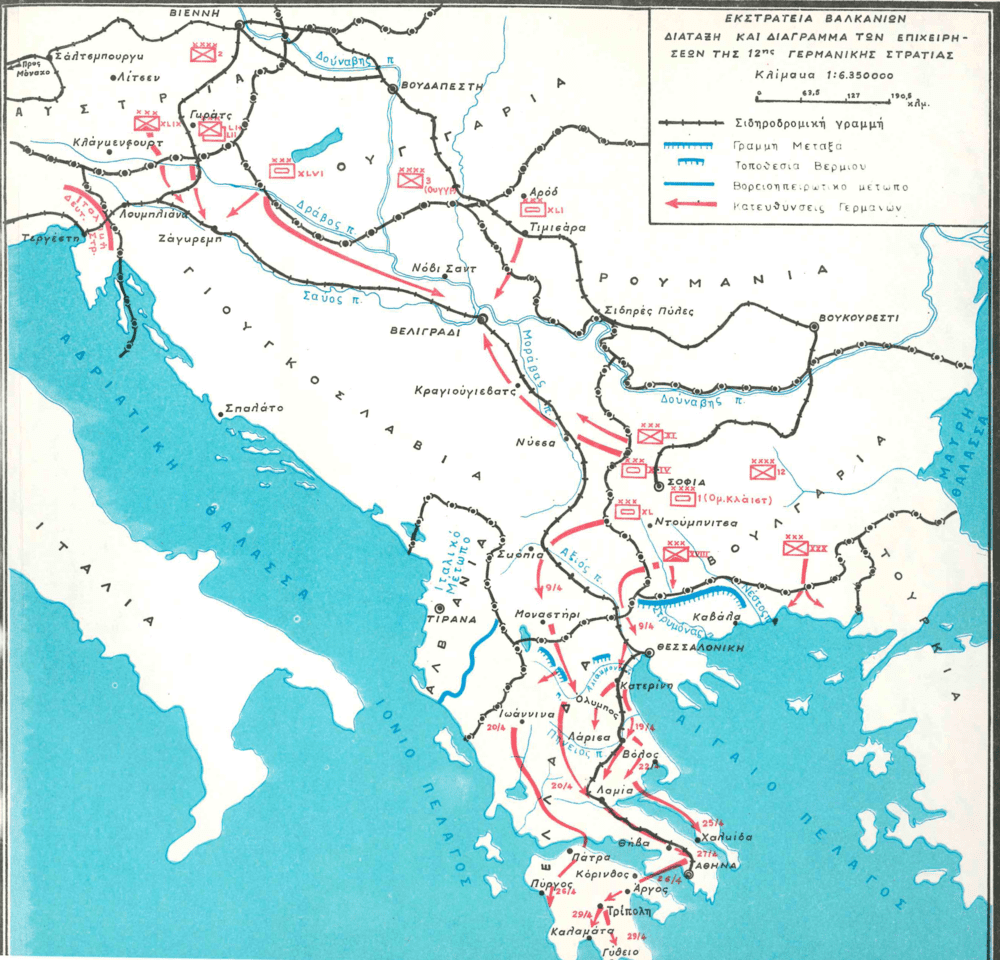
After the Germans captured the Klidi Pass, the Allied forces were concentrated in a diagonal line south of Amyntaio and Sotiras. On April 13, 1941, the Germans attacked these positions with strong forces, forcing the Allied forces to retreat towards Ptolemaida. At noon, after taking Ptolemaida, the Germans launched a strong attack with tanks, artillery, motor vehicles, infantry and aircraft. In the ensuing tank battle, the only one to take place on Greek soil, the Allies managed to temporarily halt the German advance into southern Greece. Allied forces of Group "W" then withdrew to Grevena to reinforce the defenses around Mount Askio.
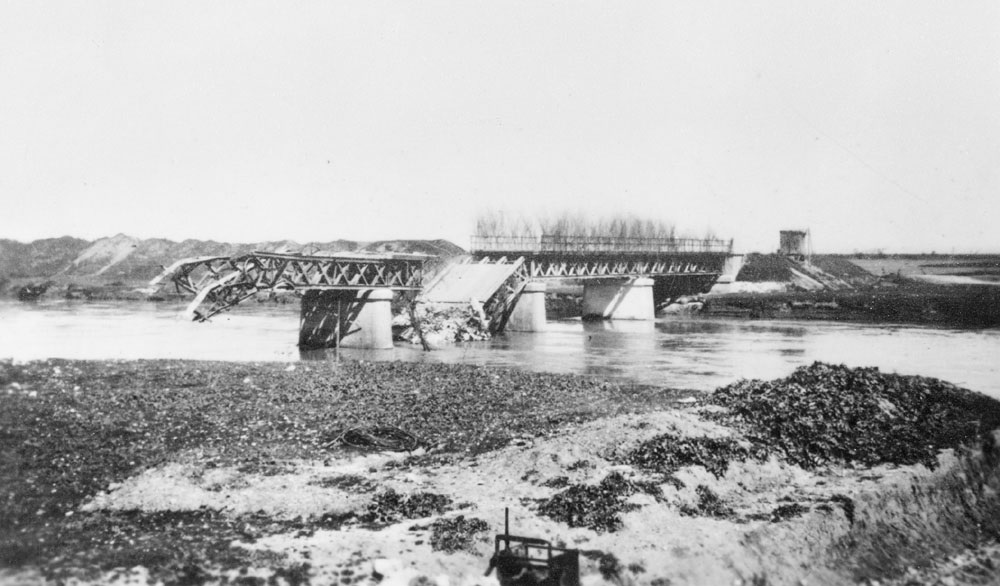
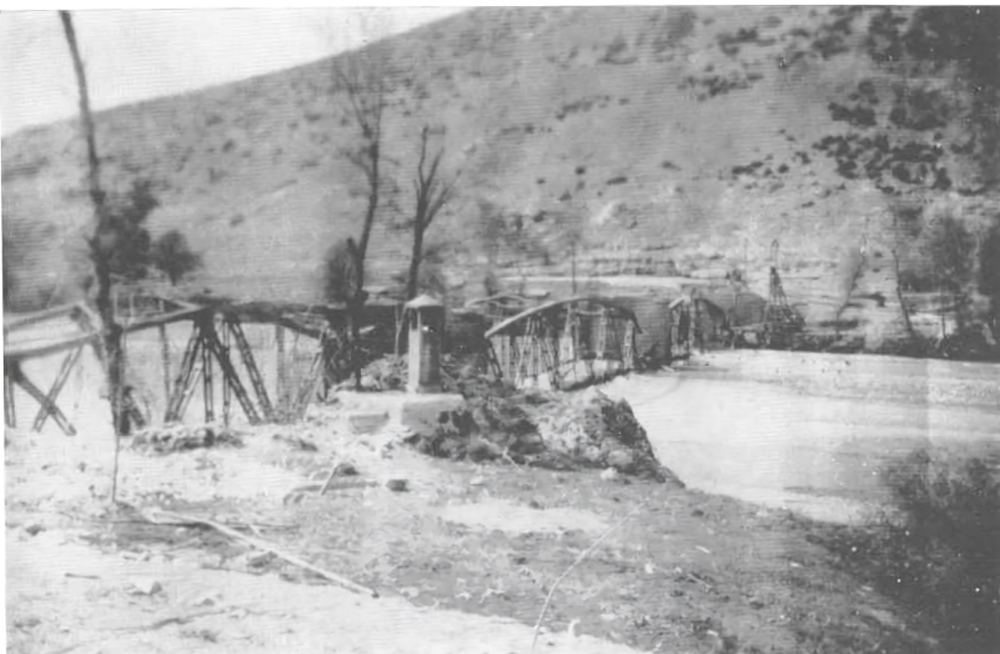
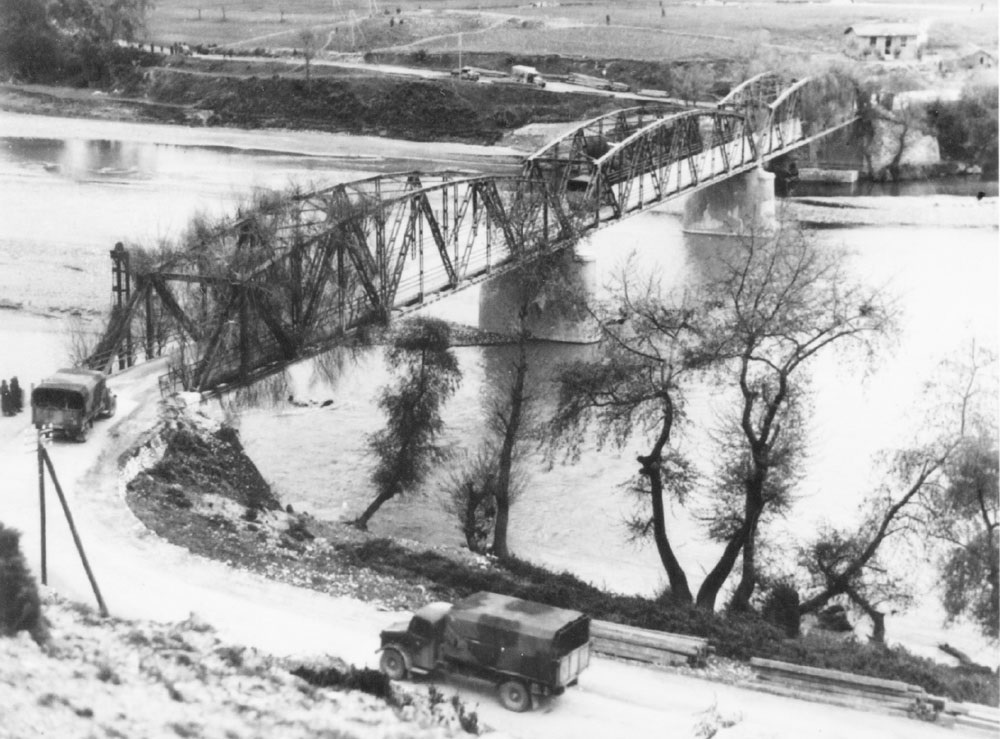
On April 14, 1941, forces of the German 9th Armored Division entered Kozani, which had already been abandoned by the forces of Group "W". At the same time, parts of the German division moved south in pursuit of the retreating British. However, after the capture of Servia by the Axis forces, the German units stopped their pursuit operations. The reason for this was their inability to cross the Aliákmona River, as the bridge had been destroyed by the Allies the day before.
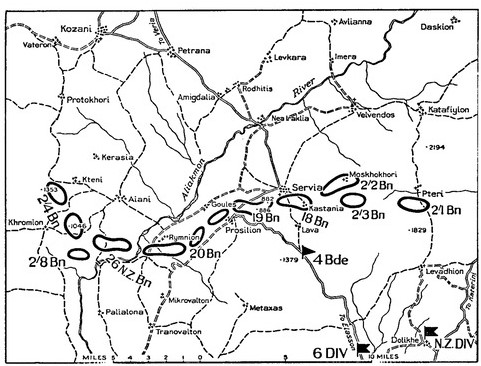
On the morning of April 15, three companies of the 9th Armored Division, which had crossed the Aliákmon in assault boats, came into contact with the vanguard of the 19th New Zealand Infantry Battalion. Assuming that these soldiers were Greeks, the allied forces initially held their positions. However, after recognizing them, the New Zealand II/1 Machine Gun Battalion attacked, inflicting heavy casualties.
The Germans tried to take cover by dropping to the ground, but the New Zealand attack intensified with the use of mortar and artillery fire, making further German advance and retreat impossible. Due to the intense fire, the German soldiers were forced to raise white flags and surrender. As a result of this brief battle, the Allied forces captured approximately 178 German soldiers.
On April 15, two more attacks were launched by German units against the Allied defensive positions in the village of Rymnio. The first was launched at noon and the second just before 18:00. Despite the involvement of strong German forces, both operations were repulsed with heavy Axis losses. The afternoon offensive was reinforced by German artillery and air forces, which carried out bombardments for about an hour. Despite the involvement of strong German forces and the use of extensive artillery, the Germans were unable to break through the resistance of the New Zealanders, who held their positions and successfully defended themselves against each attempted attack.
Overall, the Germans suffered heavy losses in the three attacks that took place at Rymnio on April 15, 1941, with approximately 217 prisoners and 200 dead and wounded. In contrast, New Zealand losses were much lower, with only 2 killed and 6 wounded, an indication of the effective ground cover and well-organized defenses in the area.

Indicative Literature:
Η εποποιία του 1940-41. Αρχείον ιστορικών σελίδων, Αθήνα 1969.
Γενικό Επιτελείο Στρατού, Το τέλος μιας Εποποιίας – Απρίλιος 1941, Αθήνα 1959.
Γενικό Επιτελείο Στρατού, Αγώνες και Νεκροί του Ελληνικού Στρατού κατά το Δεύτερο Παγκόσμιο Πόλεμο 1940-1945, Αθήνα 1990.
Plowman J., Images of War in the Balkans. The battle for Greece and Crete 1940-1941. Rare photographs from wartime archives, South Yorkshire 2013.
Walker A.S., Middle East and Far East. Australia in the war of 1939-1945, Canberra 1953.