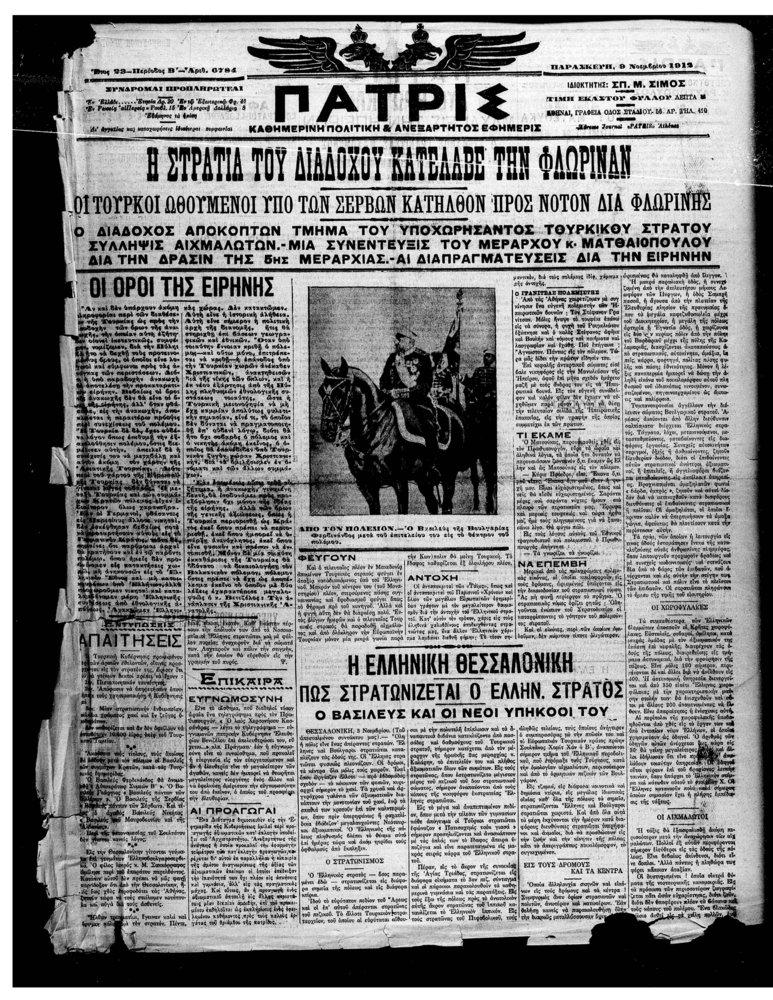
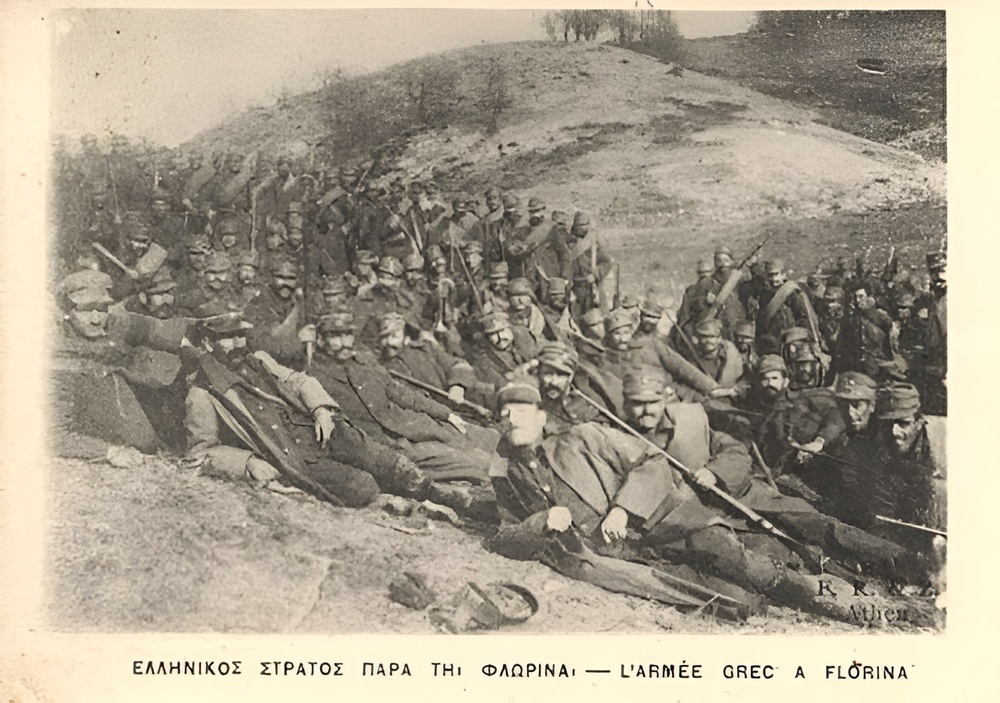
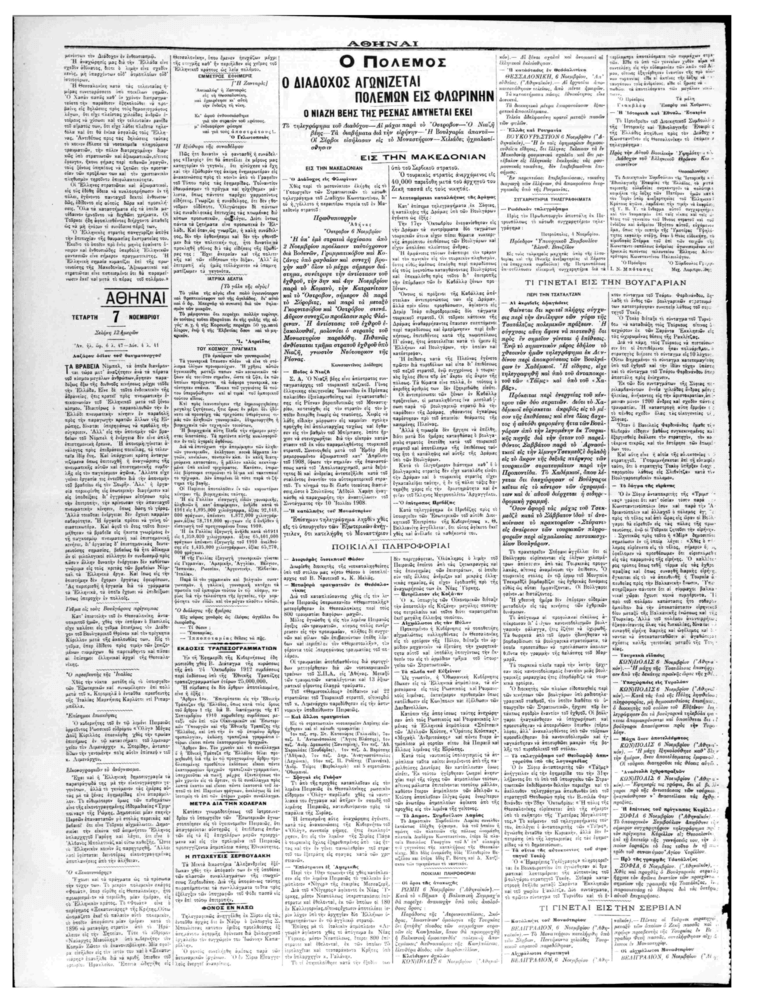
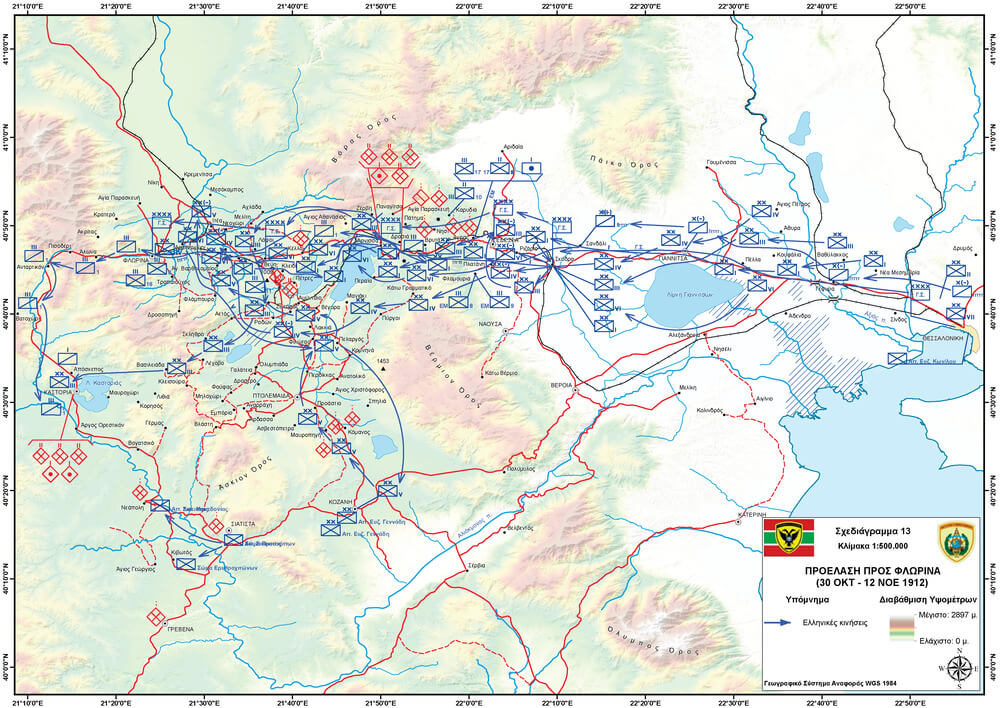
Following the entry of the Greek Army into Thessaloniki on October 27, 1912, the majority of the Thessaly Army proceeded towards the territories of Western Macedonia, where, until that point, only the V Division had been active. On November 4, following the reestablishment of control by the V Division over the broader region of Kailaria (now Ptolemaida), the Thessaly Army initiated a series of coordinated maneuvers with the objective of advancing Greek troops in the Florina area. The victorious advance on November 6th in the wider area of the Kirli-Dervain Pass (now Klidi Pass) enabled the recovery of the territories lost by the V Division during its retreat on October 21st, 1912. This advance also facilitated the subsequent advance of Greek forces towards Florina.
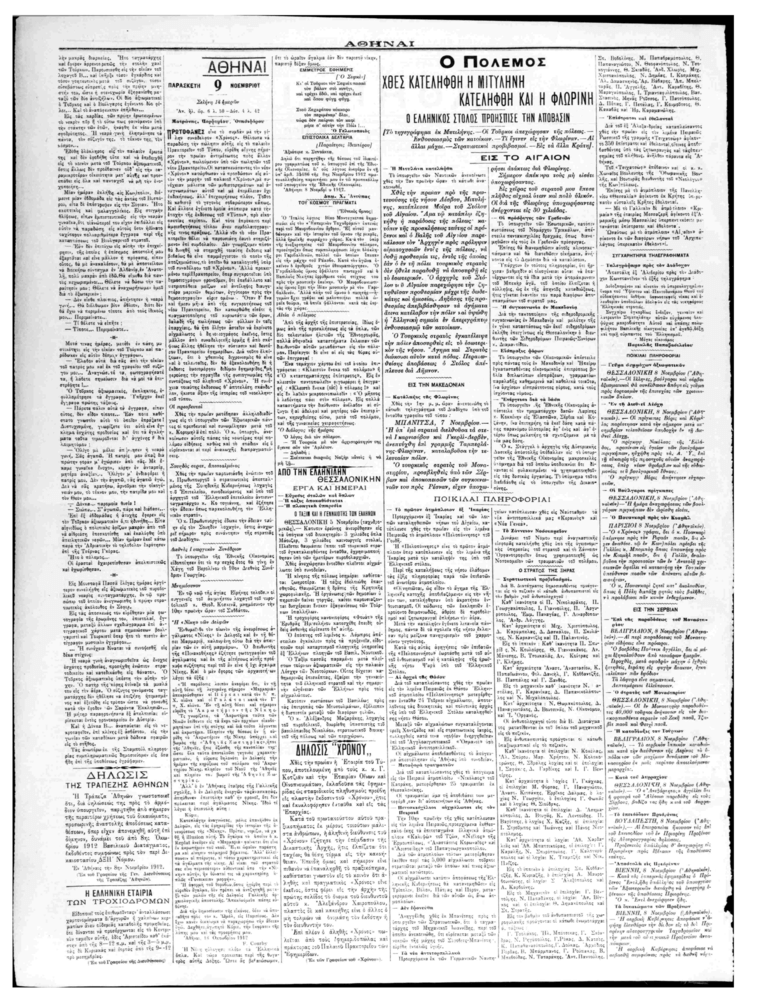
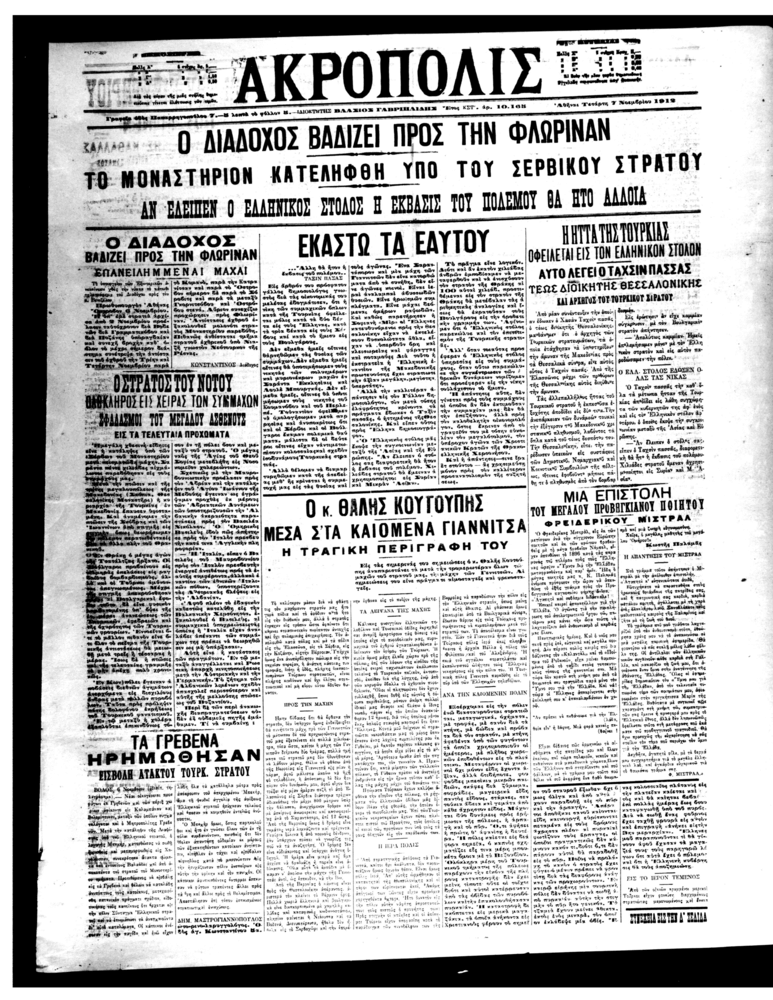
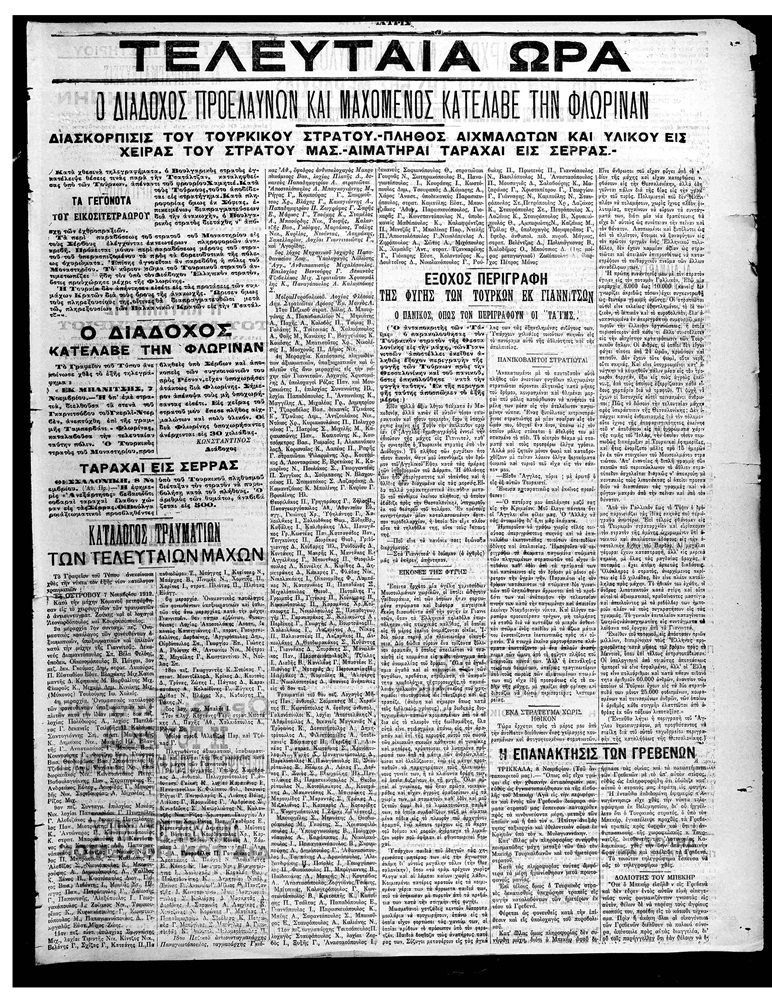
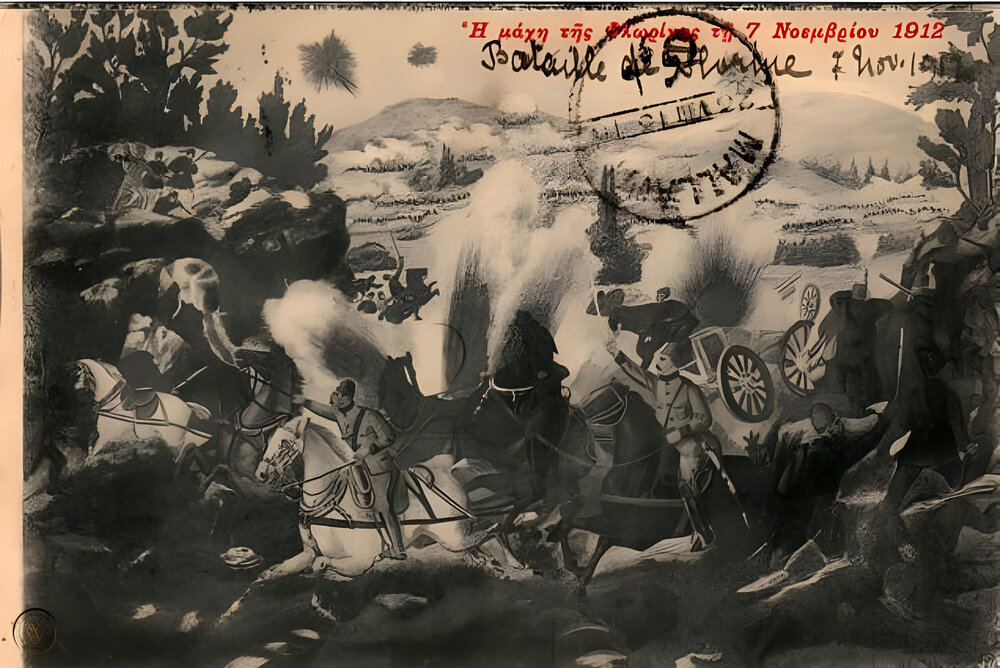
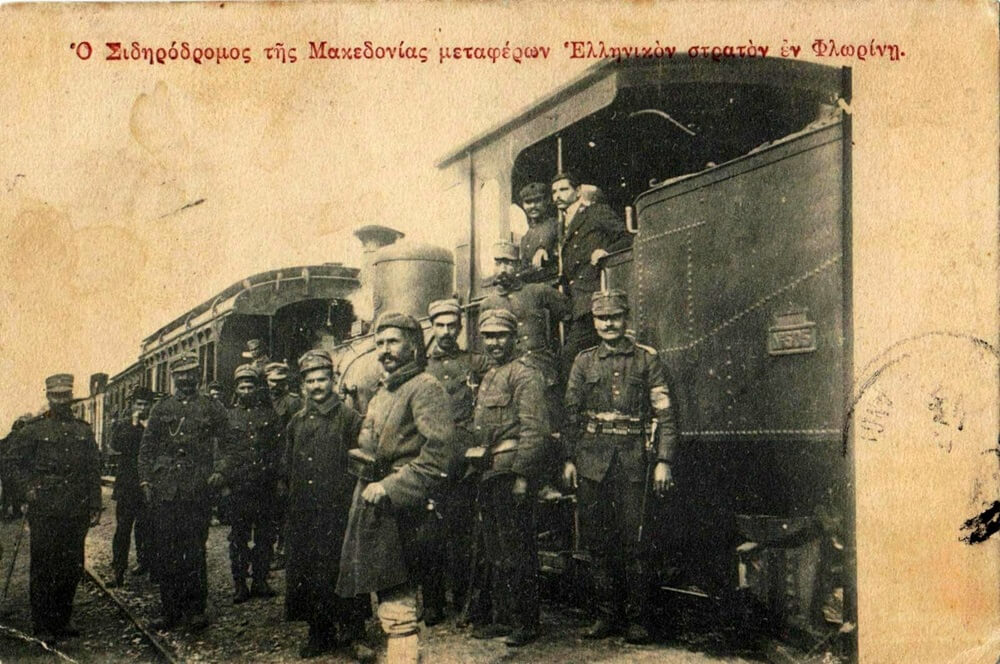
On the morning of November 7, the 1st Cavalry Regiment relocated to the railway station of Banitsa (now Vevi) and subsequently proceeded towards Florina. At approximately 11:00, the 1st Cavalry Regiment captured the Florina railway station and apprehended approximately 100 Ottoman troops. Additionally, they seized significant military equipment, including 12 locomotives and 300 railway vehicles. As they advanced towards Florina, the regiment's reconnaissance unit identified the presence of a considerable Ottoman force originating from Monastir (now Bitola) and advancing towards Pisoderi.
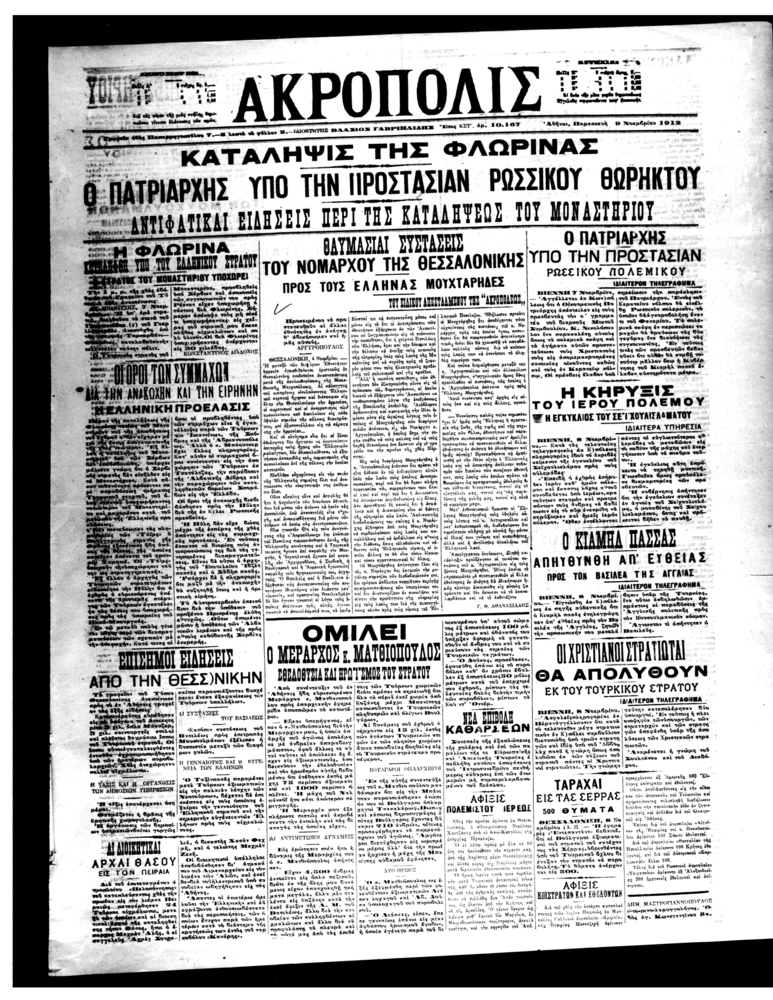
At approximately 13:30, the vanguard of the 1st Cavalry Regiment approached Florina. The regiment's commander then issued an order to the Ottoman authorities, demanding their submission to the Greek Army. Subsequently, the municipal authorities, represented by the Metropolitan, the Rabbi, and the Mufti, proclaimed the capitulation of the city. This was followed by the disarmament and capture of approximately 1,300 Ottoman soldiers who were stationed within the city. Concurrently, until the evening hours, units of the 1st Cavalry Regiment conducted pursuit and reconnaissance operations in the region between Florina and Pisoderi, thereby reinforcing the control of the Greek forces in the area.
On the following day, the General Headquarters relocated to Banitsa (now Vevi) and issued an order for the continuation of reconnaissance operations and pursuits along the Florina-Pisoderiu line. In the course of these operations, approximately 200 Ottoman troops were apprehended. Concurrently, the IV Division advanced towards the village of Alona. In the evening, the headquarters of the General Headquarters relocated to Florina, thereby solidifying the presence and comprehensive control of the Greek Army in the territories of Western Macedonia.