
Battle of the Mοuka and Patoma Heights
Short Description:
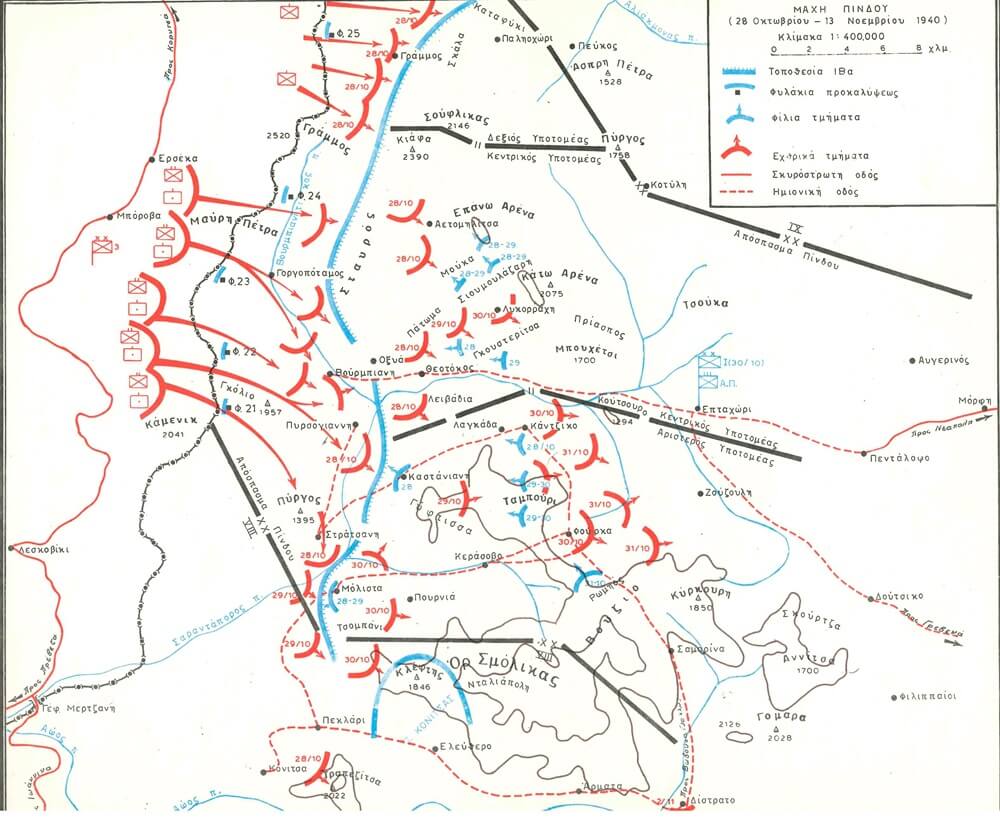
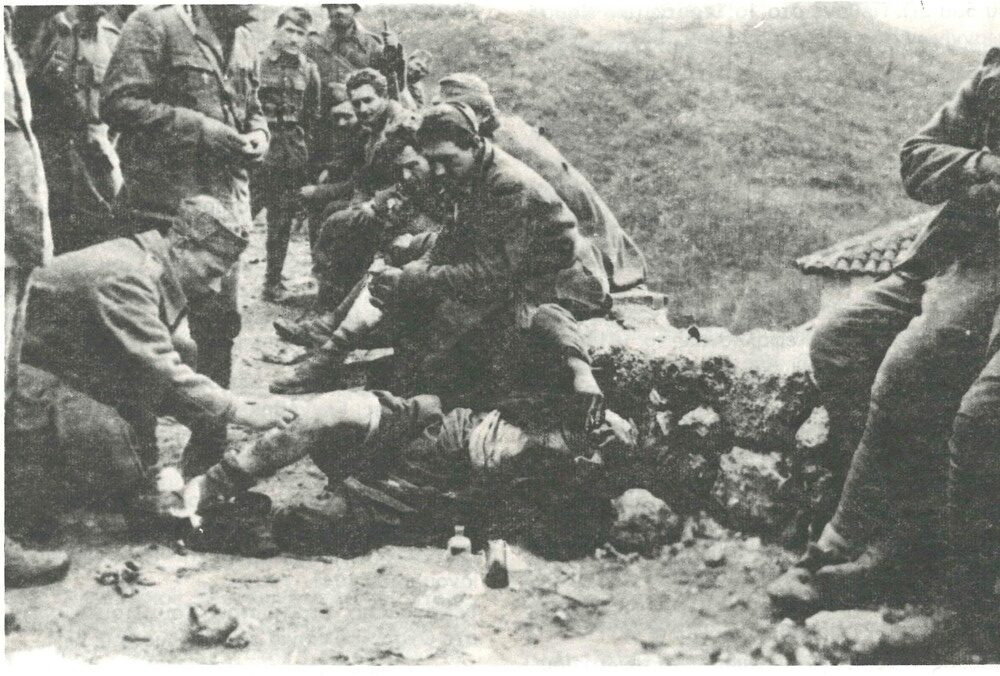
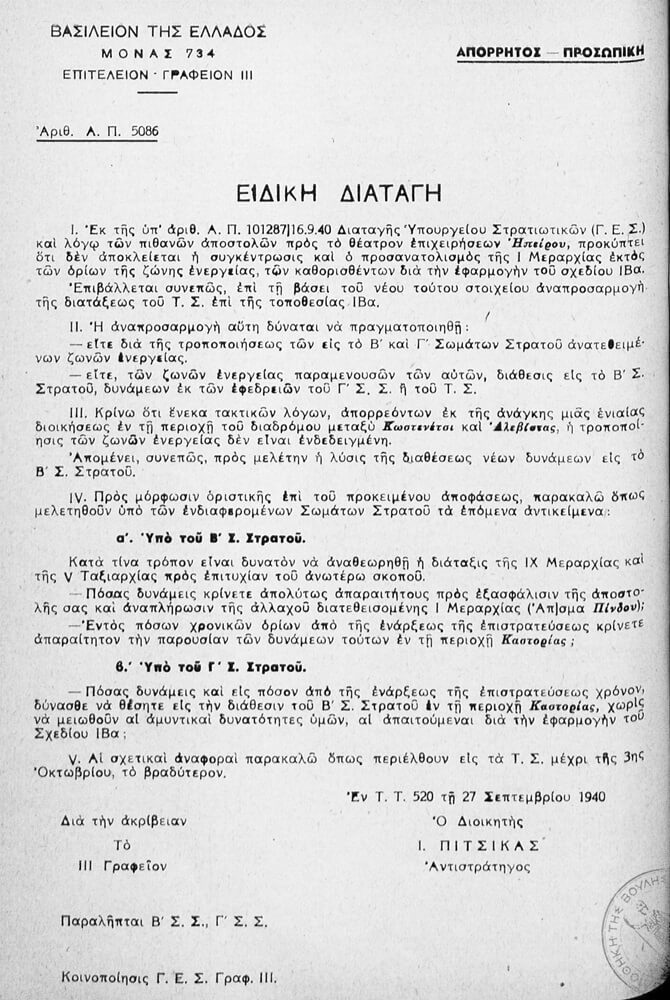
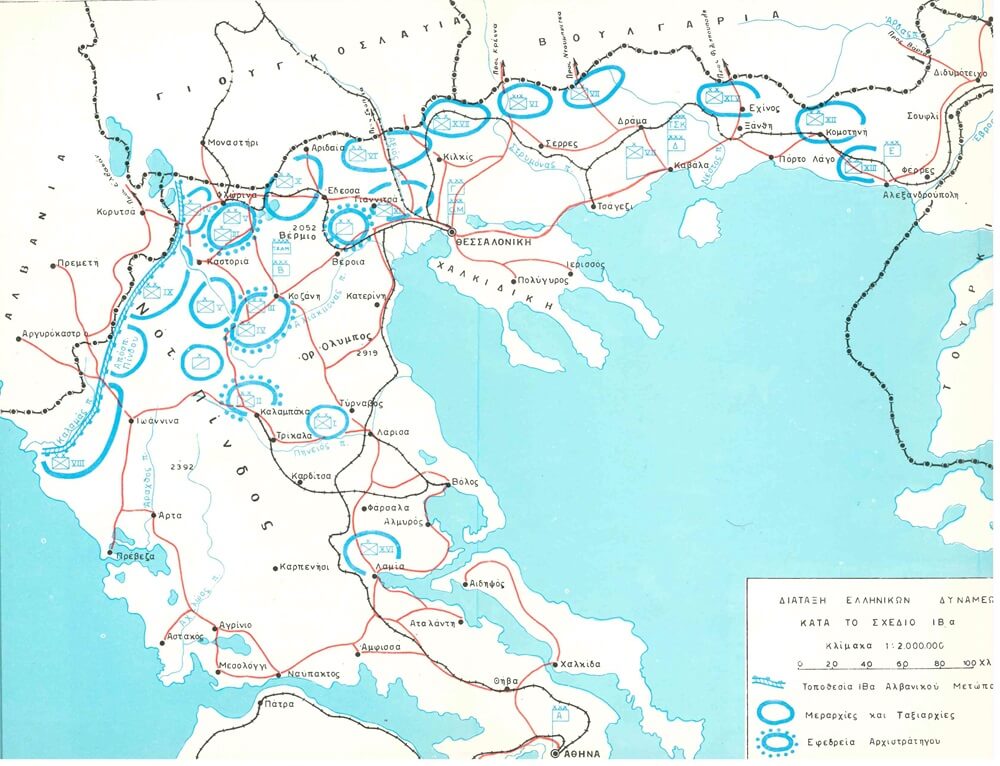
On October 28, 1940, the 3rd Italian Alpine Division "Julia" invaded the Pindus region, shortly before the expiration of the Italian ultimatum. In the ensuing battle on the Patoma, Mouka, and Epano Arena Height, the Pindus Detachment demonstrated considerable tenacity and resilience, despite facing a considerable numerical superiority on the part of the Italians. The Greek forces continued to resist until midnight on October 29. However, due to mounting pressure from the Italians and the increasingly unfavorable weather conditions, the Greek divisions were reduced to Eptachori. Despite the retreat, the fighting on October 28 and 29 significantly impeded the Italians' initial plans for a rapid capture of Western Macedonia. This allowed the Greek Army to organize a systematic counterattack in the following days.
Photo gallery:
Detailed Description:
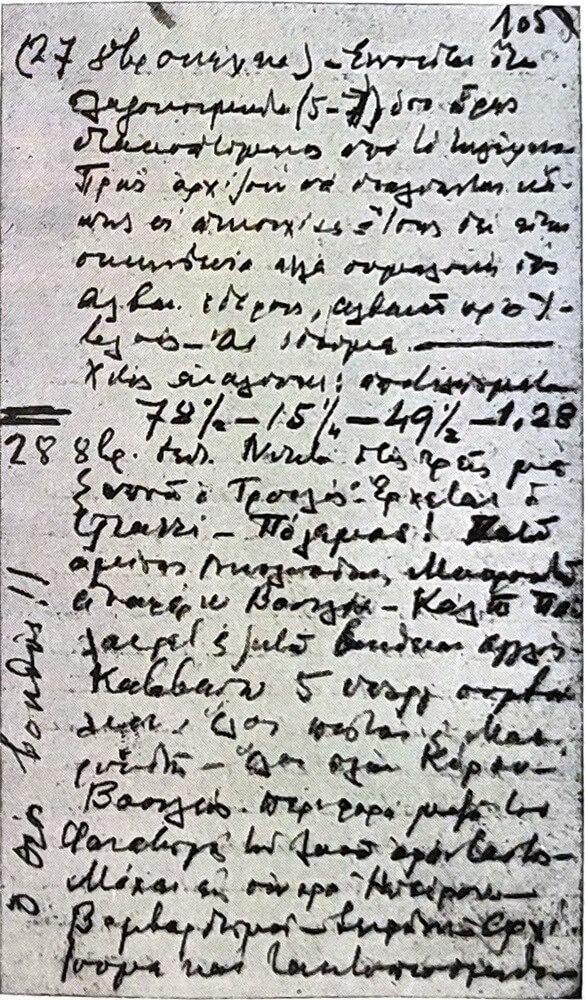
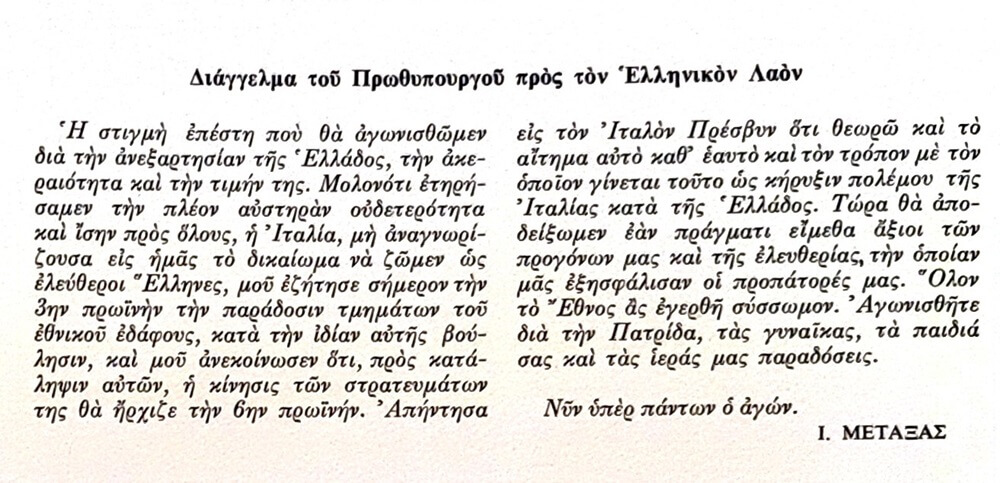
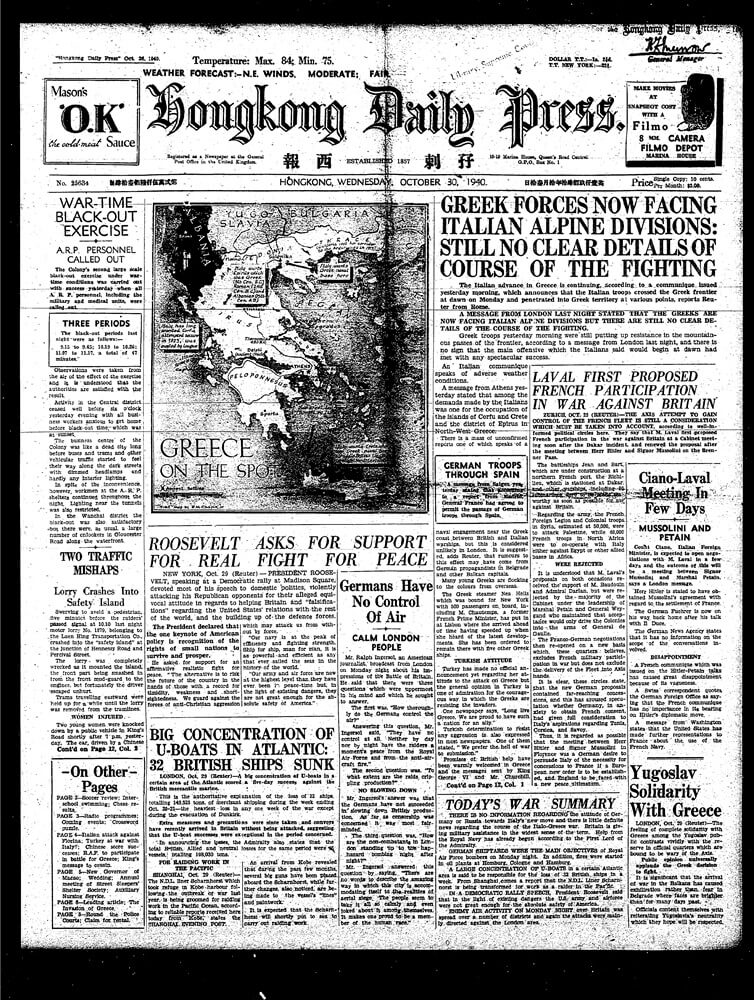
On the night of October 28th, at approximately 03:00, the Italian Ambassador in Athens, Emmanuel Grazzi, paid a visit to the residence of the Greek Prime Minister, Ioannis Metaxas, in Kifissia. During this visit, he delivered an ultimatum from the Italian Government, which called for the occupation of certain strategic points in Greece. The purpose of this occupation was to demonstrate Greece's neutrality in the war between the Axis and British forces.
According to the verbal statement of the Italian ambassador, the ultimatum would expire at 06:00, just three hours later, at which point the Italian army would invade Greece. Despite assurances from the Italian government that it was willing to cooperate with Greece, the Greek Prime Minister categorically rejected the terms outlined in the ultimatum. After all, relations between the two countries were already strained, and the Greek side had legitimate doubts about any cooperation with the fascist regime, given that Italy had been waging a shadow war against Greece since the summer of 1940.
Following the brief meeting between the two men, the Italian Ambassador departed from the Greek Prime Minister's residence. As a consequence of the diplomatic impasse, at approximately 05:00 on the morning of October 28, just one hour before the deadline for the ultimatum, the Italian 3rd Alpine Division "Julia" invaded Greece in the Pindus region.
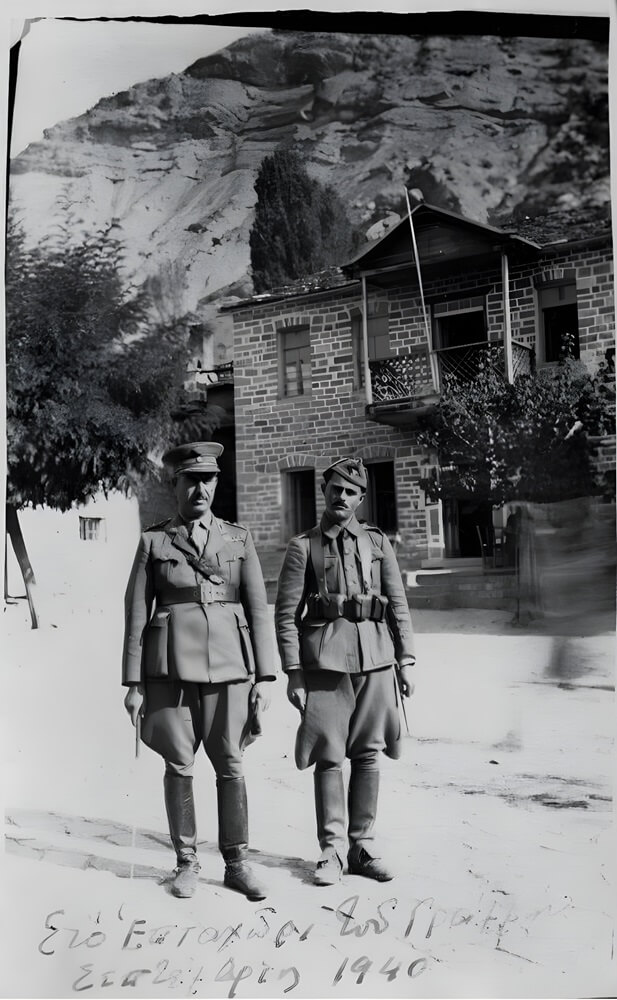
The elite "Julia" Division, comprising approximately 10,800 men, had been sent to Albania as early as April 1939. Therefore, the men of the Division were fully informed about the conditions on the Pindus front. The opposing force, designated as the Pindus Detachment, consisted of approximately 2,000 men and was led by the reserve permanent infantry colonel Konstantinos Davakis, based in Eptachori.
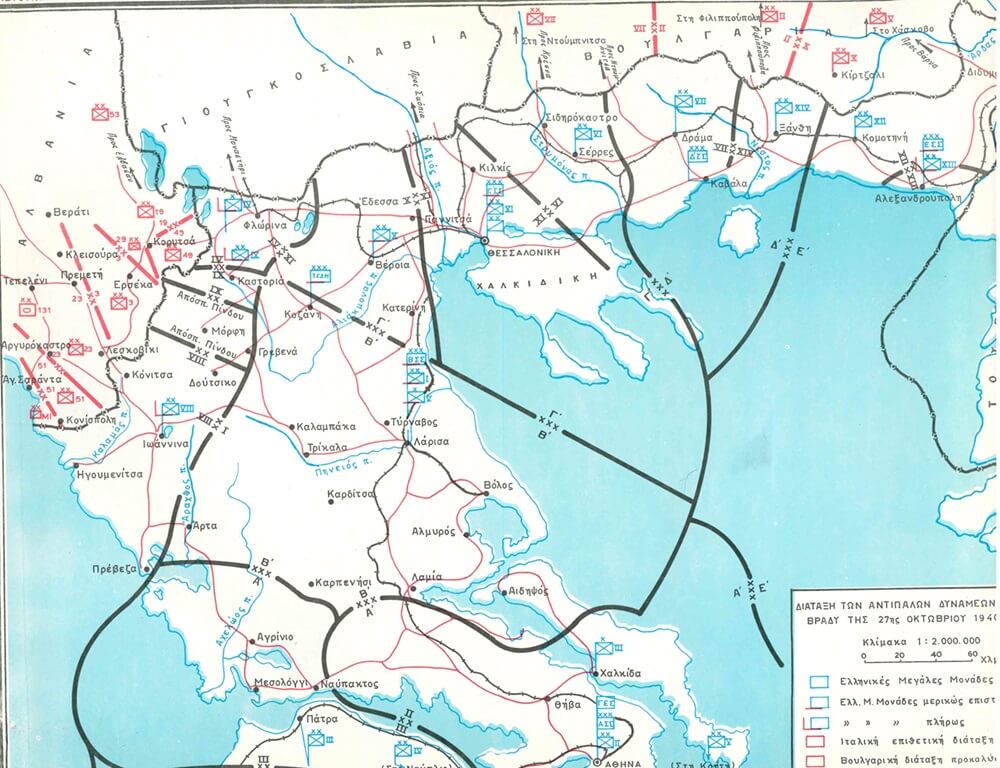
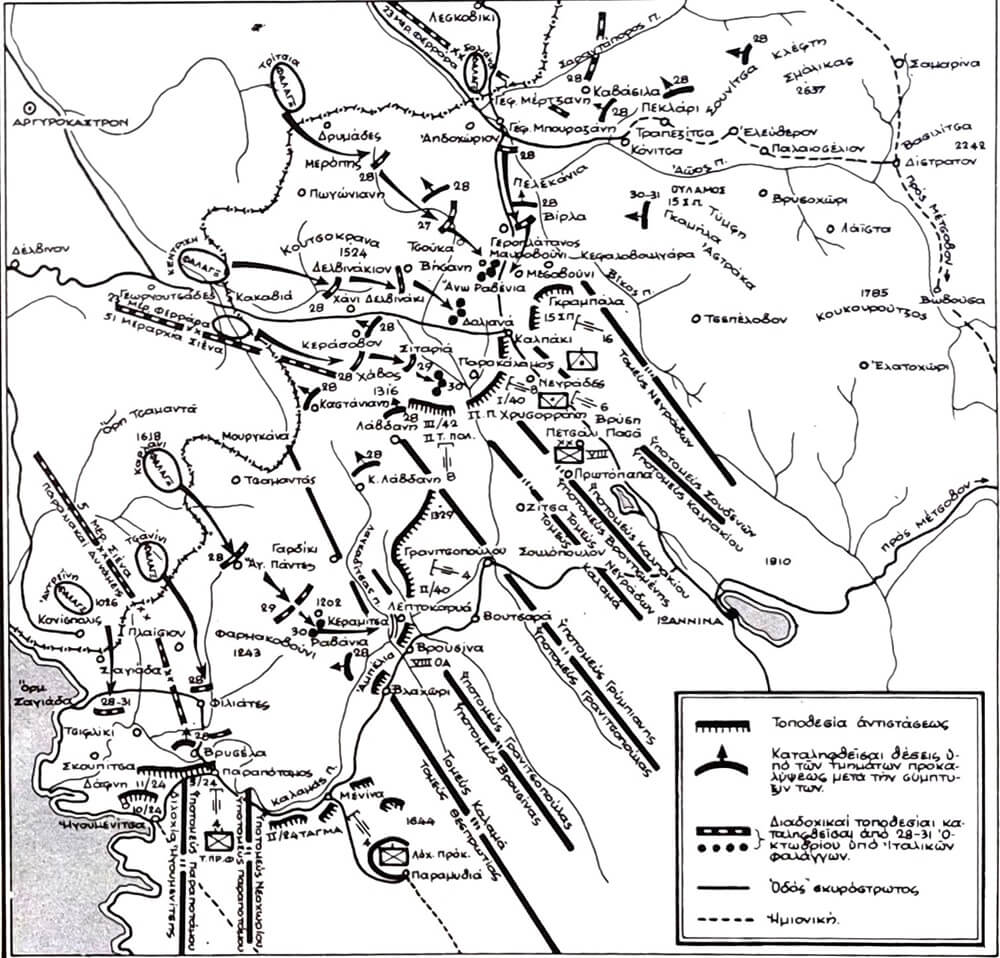
Italian forces commenced their offensive from the broader regions of Erseca and Borova, subsequently advancing towards the northern periphery of the present-day Regional Unit of Ioannina and the western reaches of the Regional Unit of Kastoria. Their initial thrust was directed along a line extending from the villages of Gramos, Gorgopotamos, and Vourbiani. The Italian forces' frontal attack on the aforementioned line was met with considerable resistance by the Greeks. As the afternoon progressed, the Greek forces were compelled, due to mounting pressure from the Italians, to shift their position to the west of Eptachori, occupying the heights of Patoma, Mouka, and Epano Arena. Despite the harsh weather conditions, the Pindus Detachment was able to uphold the Greek defense until the night of October 28th along the line between Molista, Kastanea and Heigts: Patoma, Mouka, Epano Arena, Kiafa, and Katafiki.
Due to the particularly critical conditions, the commander of the Pindus Detachment took the decision to reinforce his forces with the companies of the 3rd Battalion of the 51st Infantry Regiment and ordered the concentration of all available means of transport at the village of Morfi, with a view to their subsequent use by the Greek Army. The residents of the area responded favourably to Colonel Davakis' appeal, and over the following days, women, children and the elderly provided invaluable assistance to the army in its mission to maintain the integrity of Greek territory.
On October 29, the battle resumed with the same intensity as on the first day. In the afternoon, the Italian forces succeeded in temporarily occupying Mouka Height. However, the Greek army was able to regain control of the position shortly thereafter. Subsequently, the Patoma Height was also captured, and the Commander of the Pindus Detachment ordered the concentration of forces on the Kato Arenas – Gusteritsa line. However, due to the considerable size of the Italian forces and the persisting inclement weather, the troops defending the line were compelled to retreat around midnight towards Epitachori.
In general, the Pindus Detachment, engaged in combat for two days against the considerably more formidable Italian forces, managed, through a sustained and arduous effort, to impede the Italian advance in Western Macedonia and Epirus. At noon on October 30, the Commander of the I Division, Major General Vassilios Vrachnos, arrived in the area with a portion of his staff, assuming command of the Pindus Detachment and essentially defending against the "Julia" Division.

Indicative Literature:
Βρανάς Φ. (επιμ.), Ιωάννης Μεταξάς. Το προσωπικό του ημερολόγιο, τ. Δ., Αθήνα 1990.
ΓΕΣ, Ιστορικόν Πολεμικών Επιχειρήσεων 1940-1941 συνταχθέν κατ’ εντολήν Υπουργείου Εθνικής Αμύνης, τ. 2.1: Αι εν Πίνδω επιχειρήσεις, Αθήναι χ.χ.
ΓΕΣ, Εφοδιασμοί του στρατού εις υλικά οπλισμού και πυρομαχικών πυροβολικού και πεζικού κατά τον πόλεμον 1940-41, Αθήναι 1982.
ΓΕΣ, Η υγειονομική υπηρεσία του στρατού κατά τον πόλεμον 1940-1941, Αθήνα 1983.
ΓΕΣ, Επίτομη Ιστορία του Ελληνοϊταλικού και Ελληνογερμανικού πολέμου 1940-1941. Επιχειρήσεις Στρατού Ξηράς, Αθήνα 1985.
Παπαδήμας Β. (επιμ.), Απομνημονεύματα Στρατηγού Βασιλείου (Βάσσου) Βραχνού. Ο Ελληνοϊταλικός Πόλεμος 1940-41 και η δράση της Σιδηράς Μεραρχίας Λαρίσης, Θεσσαλονίκη 2014.
Παπακωνσταντίνου Θ.Φ. , Η μάχη της Ελλάδος 1940-1941, Αθήνα 1971.