
Chariot battle southeast of Ptolemaida
Short Description:
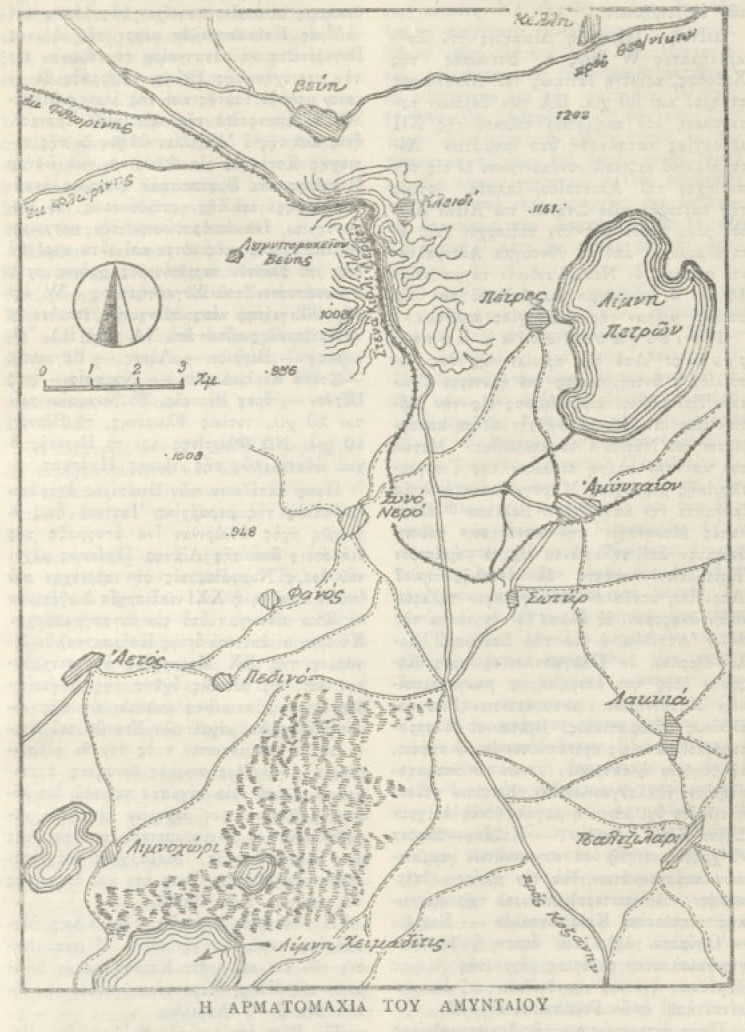
On April 8, the troops of the "W" group - the coalition of Greek, British and Australian troops - set up a defense against the Germans on the line of Kelli - Klidi Pass - Nymfaio area. On April 11, strong German forces advanced to the Klidi Pass. British and Australian units of the "W" group, led by the commander of the 6th Australian Division, Major General Iven Giffard Mackay, tried to repel them with artillery and antitank fire and coordinated attacks. Finally, on April 12, after three days of continuous fighting, the Germans captured the Klidi Pass area despite fierce resistance from Group "W". The Allied resistance inflicted heavy losses on the German ranks, both in lives and combat equipment. Nevertheless, the loss of the pass paved the way for the further advance of German troops into the territories of Western Macedonia and later into Central and Southern Greece.
Photo gallery:
Detailed Description:
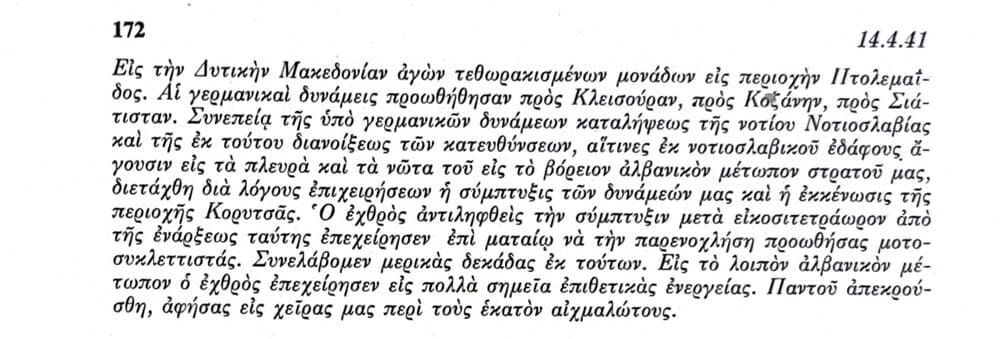
Στις 8 Απριλίου, δυνάμεις του Συγκροτήματος «W» −του συνασπισμού ελληνικών, βρετανικών και αυστραλιανών στρατευμάτων− ανάπτυξαν άμυνα κατά των Γερμανών στη γραμμή Κέλλη – Στενά Κλειδίου – περιοχή του Νυμφαίου. Στις 11 Απριλίου, ισχυρές γερμανικές δυνάμεις προωθήθηκαν στα Στενά του Κλειδίου. Βρετανικές και αυστραλιανές μονάδες του Συγκροτήματος «W», με επικεφαλής τον διοικητή της 6ης Αυστραλιανής Μεραρχίας, Υποστράτηγο Ιβέν Γκιφάρντ Μακέι (Iven Giffard Mackay), επιχείρησαν να τις απωθήσουν, χρησιμοποιώντας πυρά πυροβολικού και αντιαρματικά πυρά, και διεξάγοντας συντονισμένες επιθέσεις με τη βοήθεια του Τάγματος Ανιχνευτών. Τελικά, παρά τη σθεναρή αντίσταση του Συγκροτήματος «W», οι γερμανικές δυνάμεις στις 12 Απριλίου κατέλαβαν την περιοχή των Στενών Κλειδίου μετά από τρεις ημέρες συνεχούς πολεμικής δράσης. Η αντίσταση των Συμμαχικών δυνάμεων επέφερε σημαντικές απώλειες στις τάξεις των γερμανικών δυνάμεων, τόσο σε ανθρώπινες ζωές όσο και σε πολεμικό υλικό. Παρ’ όλα αυτά, η απώλεια των Στενών άνοιξε τον δρόμο για την περαιτέρω προέλαση των γερμανικών στρατευμάτων στα εδάφη της Δυτικής Μακεδονίας και σε δεύτερο χρόνο προς την κεντρική και τη νότια Ελλάδα.
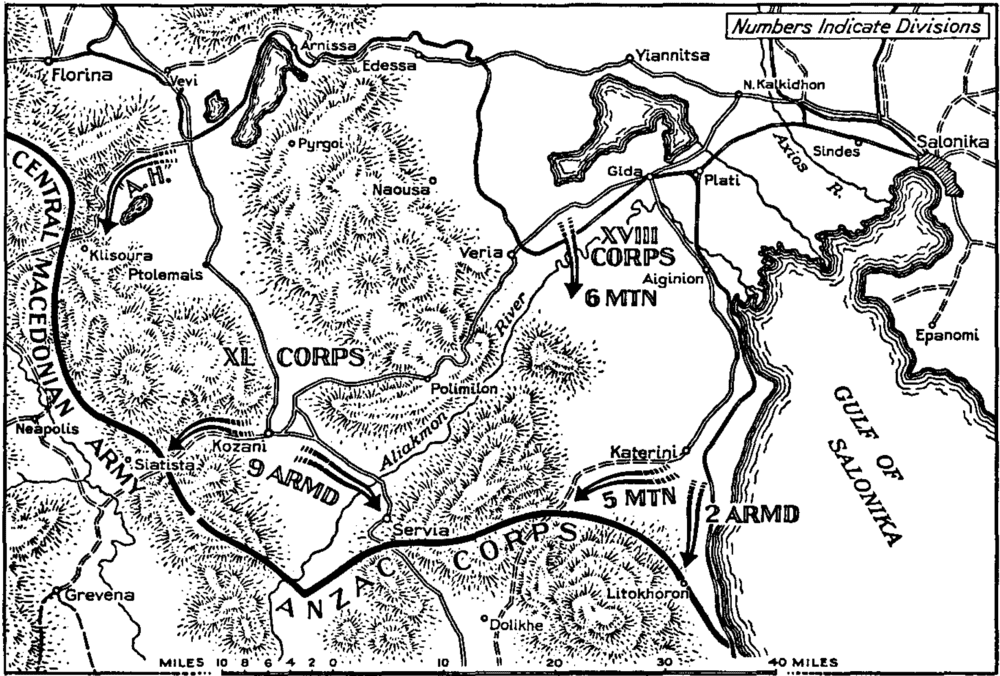
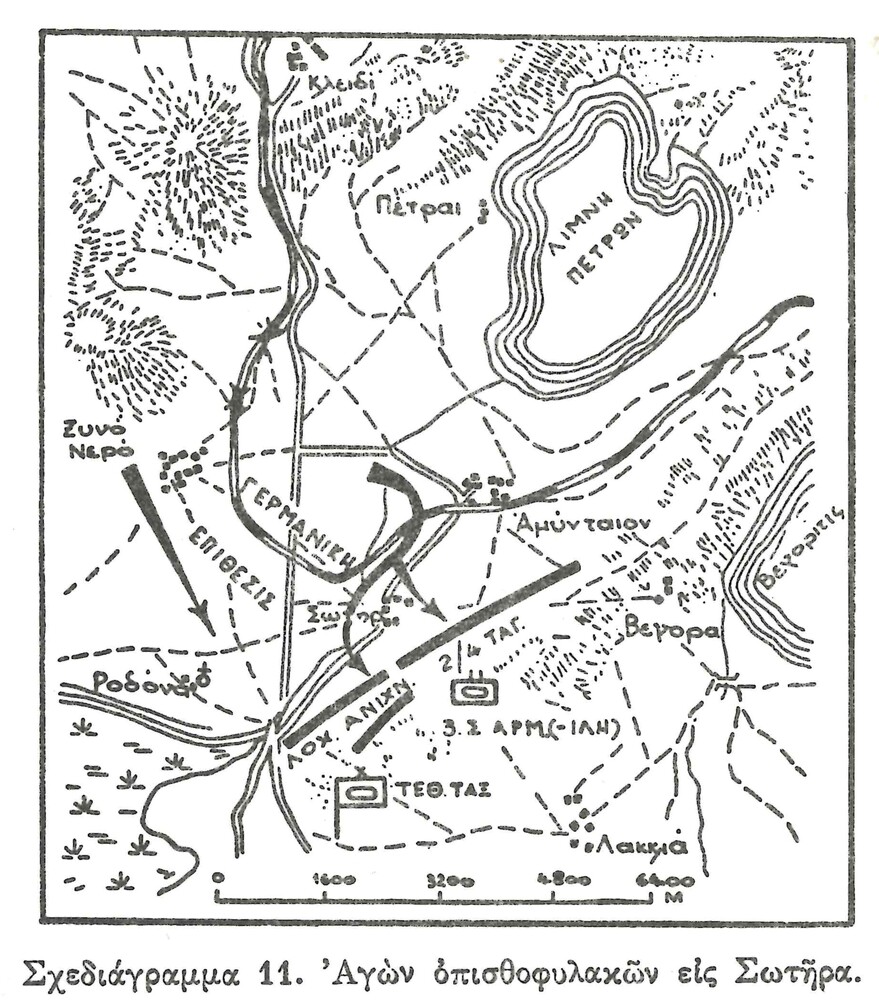
By the evening of 12 April, Group "W" forces had established anti-tank defenses along a diagonal line from southeast of Amyntaio to southwest of Sotiras. As part of these developments, the detachment commanded by Major General Iven Giffard Mackay was disbanded and the Australian forces were placed under the command of General Thomas Albert Blamey. At this stage, the Australian Corps was reorganized and renamed ANZAC (Australian and New Zealand Army Corps), in honor of the historic corps that had participated in World War I.
At 05:00 on the morning of the 13th, motorized units of the German IXth Panzer Division took up positions north of Sotiras, while German infantry forces moved by car toward Amyntaio. Despite British efforts to repel the German advance with automatic weapons and artillery fire, the Germans advanced to the right flank of the Allied defenses. Confronted with danger, a British Armor Company boldly charged the front and managed to push back the German infantry. This action caused consternation among the German forces, who saw the move as preparation for a British counterattack. As a result, the German attack was temporarily halted, and the infantry withdrew to take up positions to meet the counterattack. At the same time, German anti-tank artillery was ordered to move forward.
During the afternoon hours, German artillery, supported by air cover, began to pound the positions of the Allied defense line. Increasing pressure from the German forces forced British Brigadier General Harold Vincent Spencer Charrington, commander of the 1st Armored Brigade, to order the Allied forces to withdraw around 07:30. Despite the retreat, the British brigade's main objective remained to slow the German advance in order to give the Greek forces valuable time to regroup. Shortly after 10:00, the Allied forces began to withdraw towards Ptolemaida.
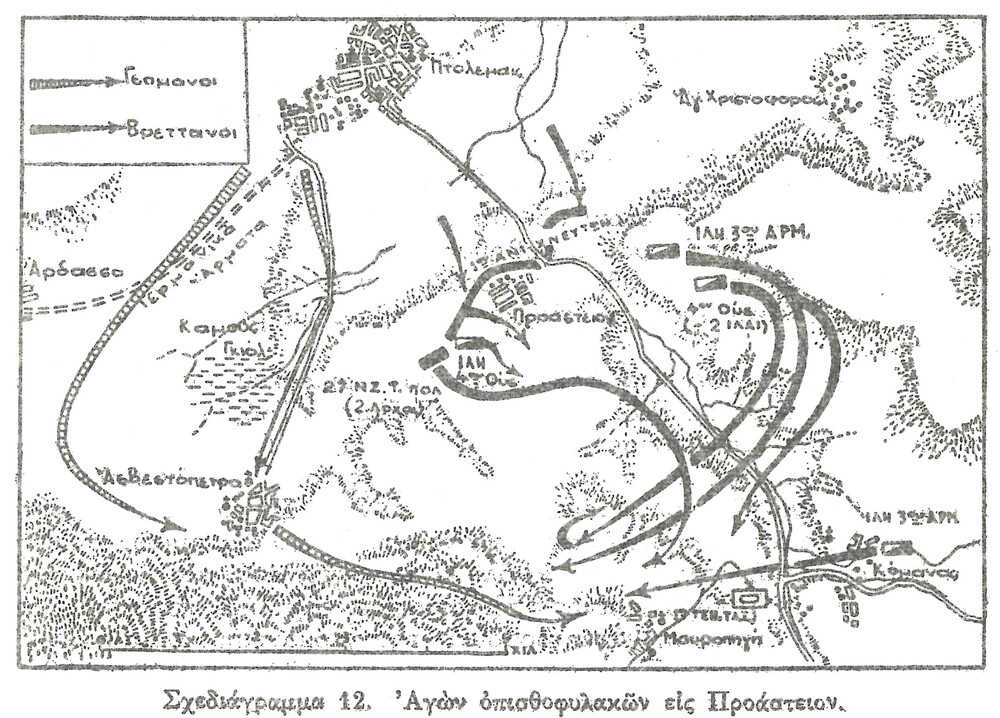
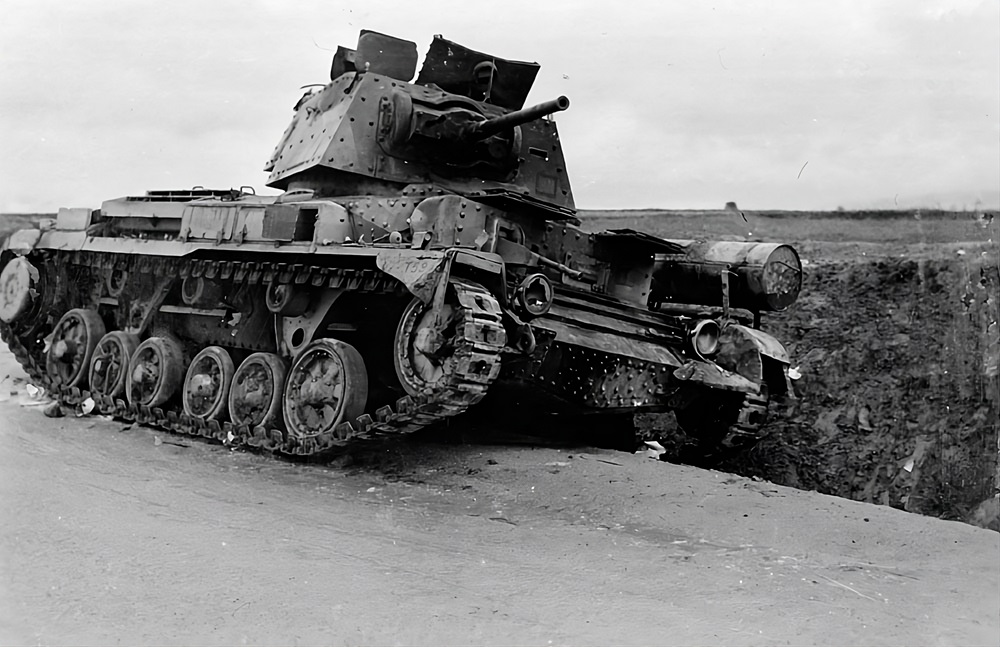
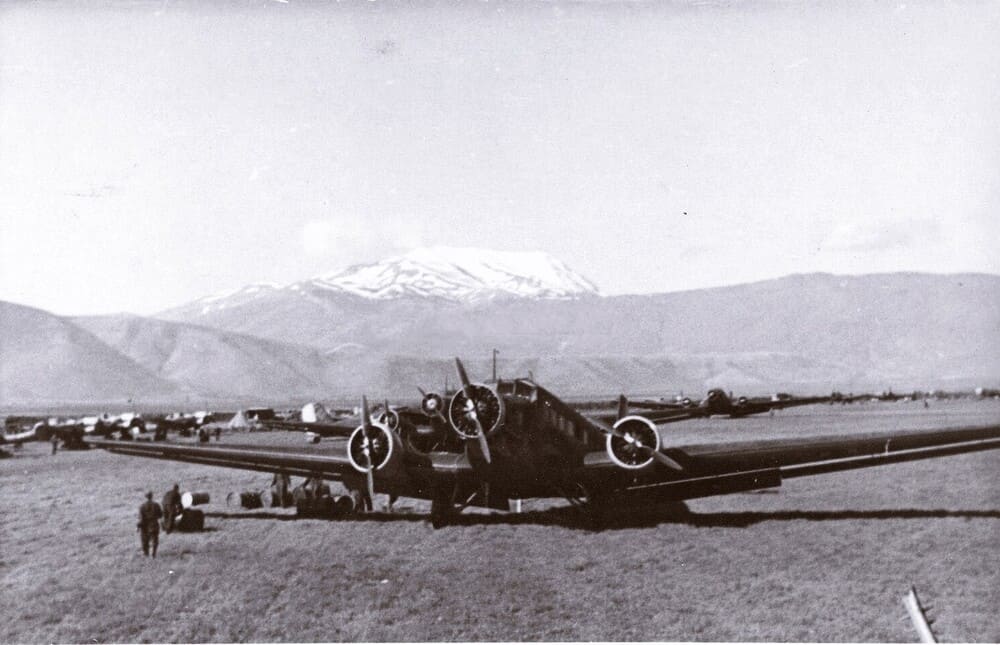
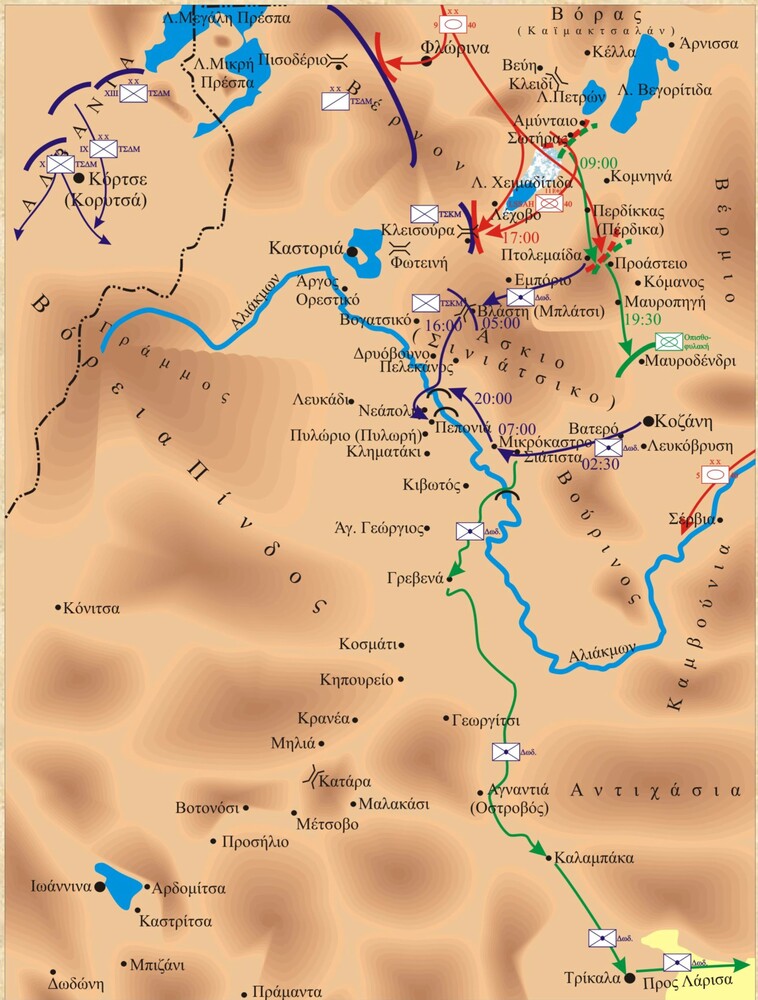
As the Allies gradually abandoned the Amyntaio - Sotiras defensive line, they set up new defenses southeast of Ptolemaida, between Proastio and Komanos, with the rearguard stationed at Mavrodendri. In the early hours of April 13, the Germans entered Ptolemaida. Around 14:30, they launched an intensive attack with tanks and motor vehicles, reinforced by dive bombers and ground attack aircraft (Junkers Ju87 / Stuka), against the Allied infantry and artillery. The German air force, which had been inactive during the previous days due to bad weather conditions, launched strong attacks in the battle, which took place southeast of Ptolemaida. The initial German attack was halted when British gunfire destroyed the lead vehicle. A fierce tank battle ensued, the only recorded tank battle on Greek territory during the German invasion of Greece.
After the first unsuccessful German attack, further attempts were made to break through the Allied defenses from the west. These attacks, typical of blitzkrieg tactics, involved coordinated movements of German infantry, armor, and air power. Despite the heavy pressure, the German forces were repulsed by British armor and artillery until the early hours of the night.
Despite the abundance of war material and the numerical superiority of the German forces, their inability to break through the strong Allied defense led to the decision to bypass the frontal attack. So, they tried to cross the Kamous-Giol marshes between Ptolemaida and Asvestopetra. The crossing of the marshes proved to be a particularly difficult mission and resulted in seven German tanks being pinned down in the marshes. However, the tanks that managed to break through continued on to Mavropigi, threatening to disrupt the Allied defenses and encircle the forces on the outskirts.
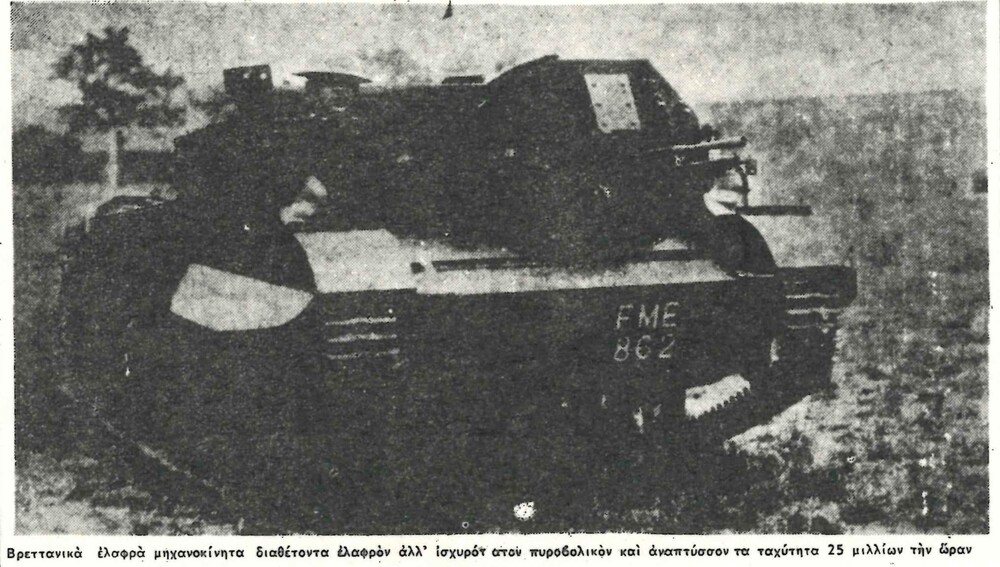
In the evening hours, the Germans attacked to the left of the British defenses, attempting a surprise attack. However, the British, already aware of the movements of the German armor, had organized a defense with the available light tanks. Although the light tanks were significantly outnumbered by the stronger German heavy tanks, the British were able to overcome the initial difficulties of the battle. Thanks to the bold action of the light tanks, organized by Lieutenant Trippier, commander of the British anti-tank battery, and taking advantage of the darkness and the environmental conditions, the British drove the Germans into a ravine west of Mavropigi and at the same time blocked the access to Mavropigi.
After overcoming the surprise, the Germans regrouped and counterattacked, causing some damage to British war material, including Lieutenant Trippier's vehicle. Despite the Allied losses, the battle effectively slowed the German advance and allowed the arrival of four medium tanks from the British 3rd Regiment. These tanks, attacking from a distance, were able to free the British anti-tank artillery that had been pinned down by the Germans. They also knocked out two German tanks with the help of New Zealand machine gunners.
As the German forces had nearly exhausted their fuel and ammunition, the attacking forces were forced to retreat after hours of fighting. Meanwhile, British units, under heavy fire from strong German forces in the village of Proastio managed to escape unnoticed to the south, leaving the Germans to attack the vacated positions for more than half an hour.
Finally, during the tank battle in the wider area south of Ptolemaida on 13th April, the British forces temporarily managed to halt the rapid German advance, thus achieving the operational objectives of the 1st Armored Brigade Charrington. The fierce fighting resulted in enormous losses of war material and motor vehicles for the British forces, but most of these were due not to German attacks but to mechanical failures. At the end of the fierce battle, the allied forces withdrew towards Kozani and then towards Grevena, leaving the areas of the present Kozani Regional Unit to be occupied by the Germans. The next day, the war, and the defense of the "W" group was concentrated in the areas around the mountains of Askio and Olympus.

Indicative Literature:
Η εποποιία του 1940-41. Αρχείον ιστορικών σελίδων, Αθήνα 1969.
Γενικό Επιτελείο Στρατού, Το τέλος μιας Εποποιίας – Απρίλιος 1941, Αθήνα 1959.
Γενικό Επιτελείο Στρατού, Εφοδιασμοί στρατού εις υλικά οπλισμού πυρομ/κων πυρ/κου πεζικού 1940-1941, Αθήνα 1982.
Γενικό Επιτελείο Στρατού, η Υγειονομική Υπηρεσία του στρατού κατά τον πόλεμο 1940-1941, Αθήνα 1983.
Γενικό Επιτελείο Στρατού, Επίτομη Ιστορία του Ελληνοϊταλικού και Ελληνογερμανικού πολέμου 1940-1941. Επιχειρήσεις Στρατού Ξηράς, Αθήνα 1985.
Γενικό Επιτελείο Στρατού, Αγώνες και Νεκροί του Ελληνικού Στρατού κατά το Δεύτερο Παγκόσμιο Πόλεμο 1940-1945, Αθήνα 1990.
Διεύθυνση Ιστορίας Στρατού των ΗΠΑ, Η εκστρατεία των Γερμανών στα Βαλκάνια (Άνοιξη 1941), Αθήνα 1996.
Εδιπίδης Α. (επιμ.), Μεγάλη Εικονογραφημένη Ιστορία του Ελληνοϊταλικού και Ελληνογερμανικού Πολέμου 1940-1941, Επιμέλεια της Στρατιωτικής Ύλης Αλεξ. Εδιπίδου Αντιστράτηγου Ε. Α., Τόμος Β’, Αθήνα 1954.
Καραβίτης Γ., Το Σύνταγμα Δωδεκανησίων, Κως 2014.
Παπακωνσταντίνου Θ.Φ., Η μάχη της Ελλάδος 1940-1941, Αθήνα 1971.
Higham R., Το ημερολόγιο μιας καταστροφής. Η Βρετανική βοήθεια στην Ελλάδα 1940-1941, Αθήνα 2008.
Plowman J., Images of War in the Balkans. The battle for Greece and Crete 1940-1941. Rare photographs from wartime archives, South Yorkshire 2013.
Walker A.S., Middle East and Far East. Australia in the war of 1939-1945, Canberra 1953.