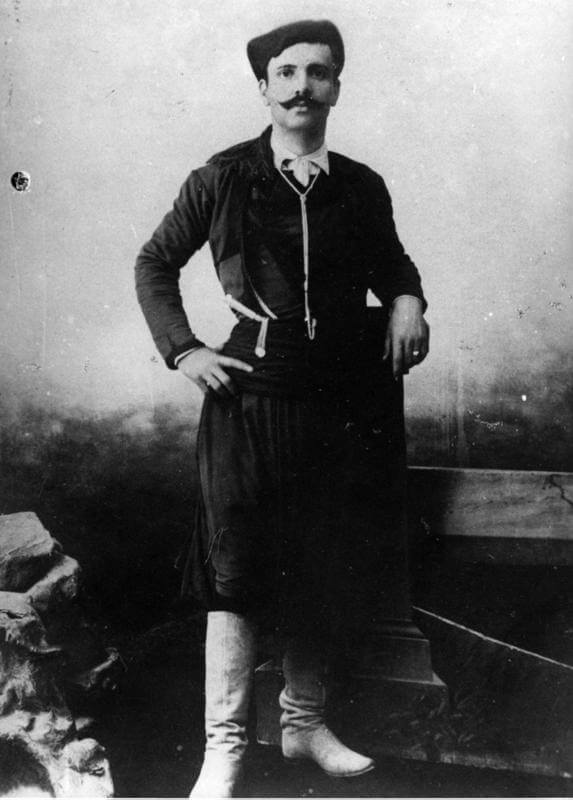
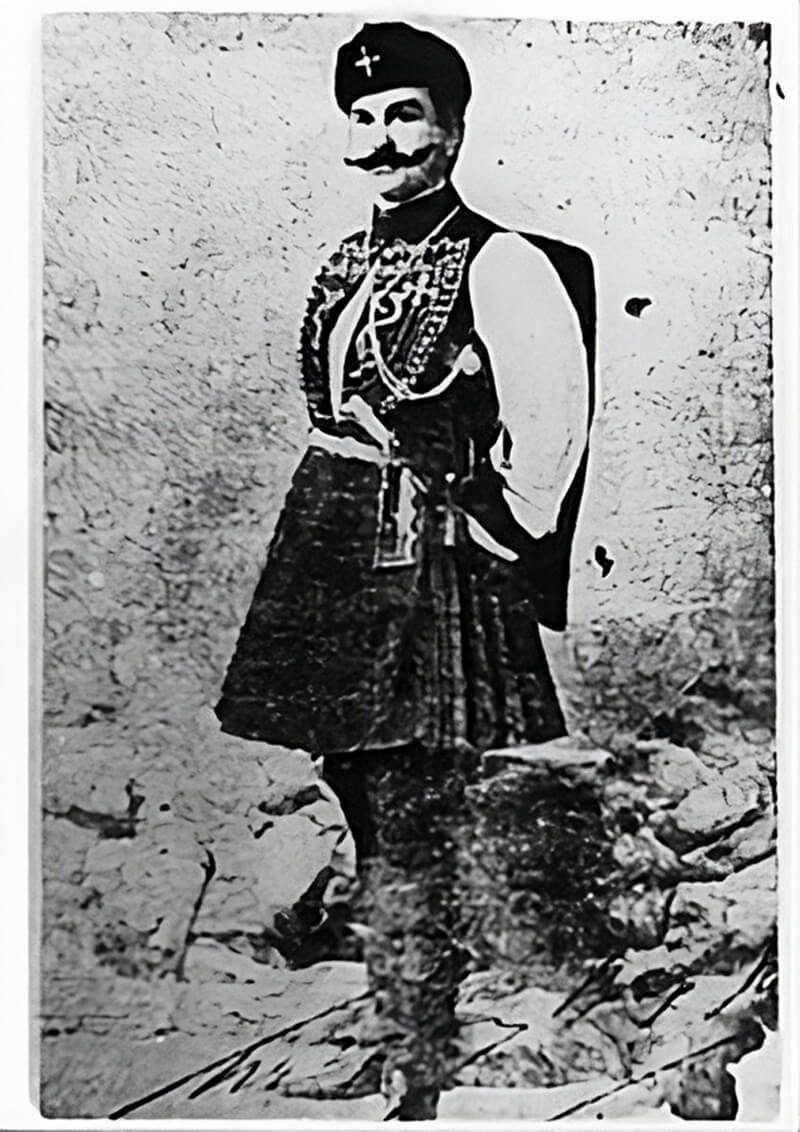
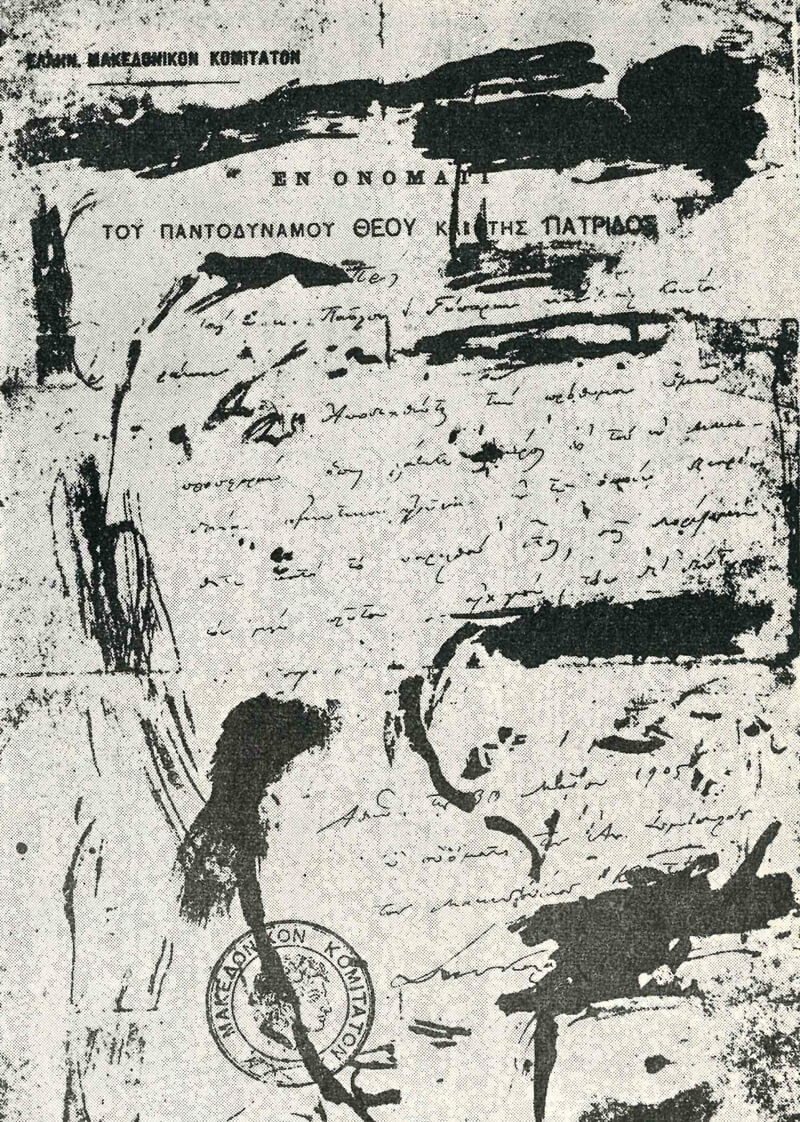
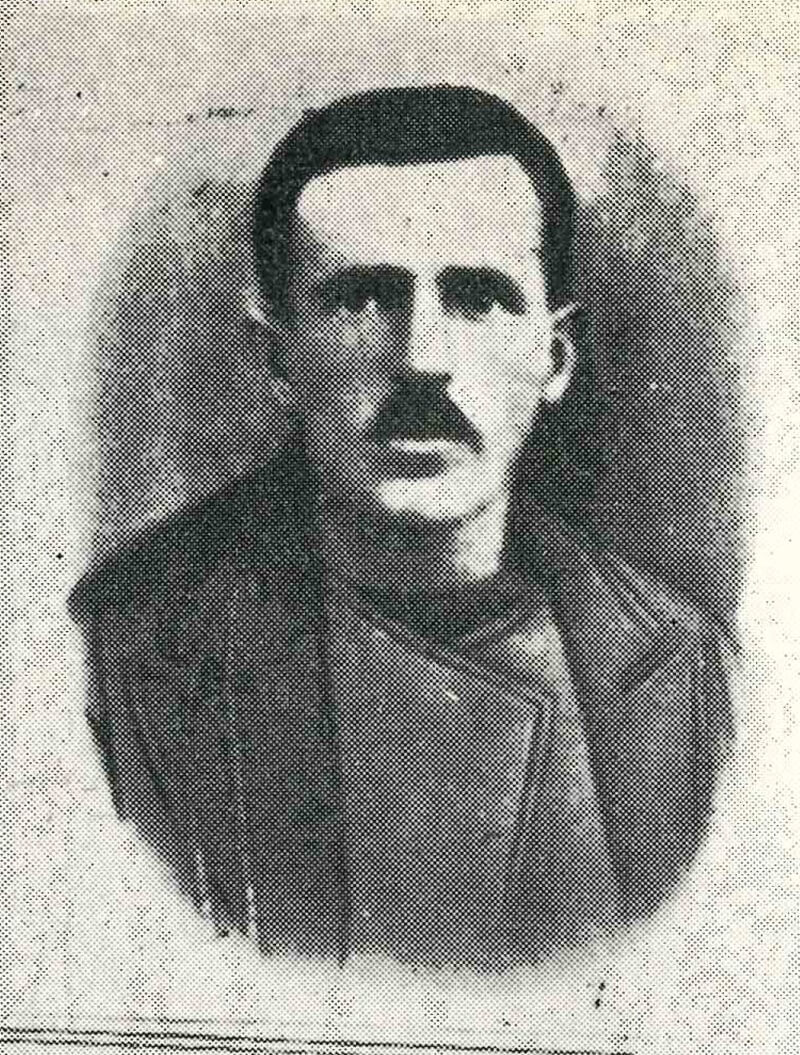
In April 1905, the chiefs Georgios Tsontos (Captain Vardas), Petros Manos (Captain Vergas) and Georgios Katechakis (Captain Rouvas) planned to attack the village of Emporio, whose inhabitants had joined the Bulgarian Exarchate. The strong pres-ence of the Macedonian fighters in the mountains of Vlasti was noticed by some Konyaris (Ottoman settlers) who informed the Ottoman gendarmerie of Vlasti.
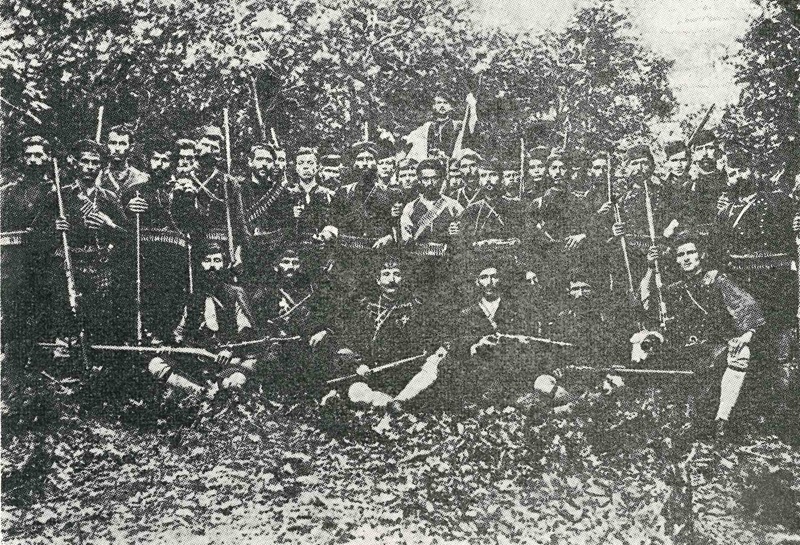
The Ottoman gendarmerie forces patrolled the village and at the same time informed the Ottoman army about the presence of armed groups in the mountains of the wider area. The presence of the Ottoman authorities made it dangerous for the Macedonians to remain in the area, as well as to advance in trade. For this reason, the groups of Vergas and Rouvas, consisting of about 115 armed men, moved in the direction of Lehovo, while the group of Vardas moved in the direction of Mount Siniatsiko (Askio).
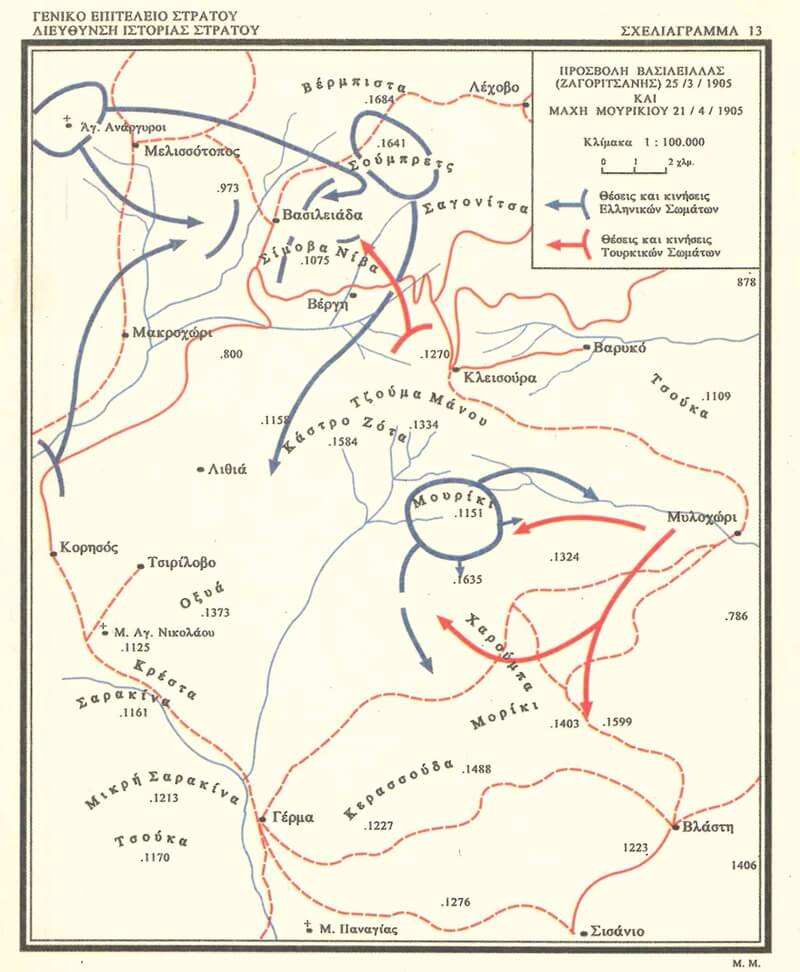
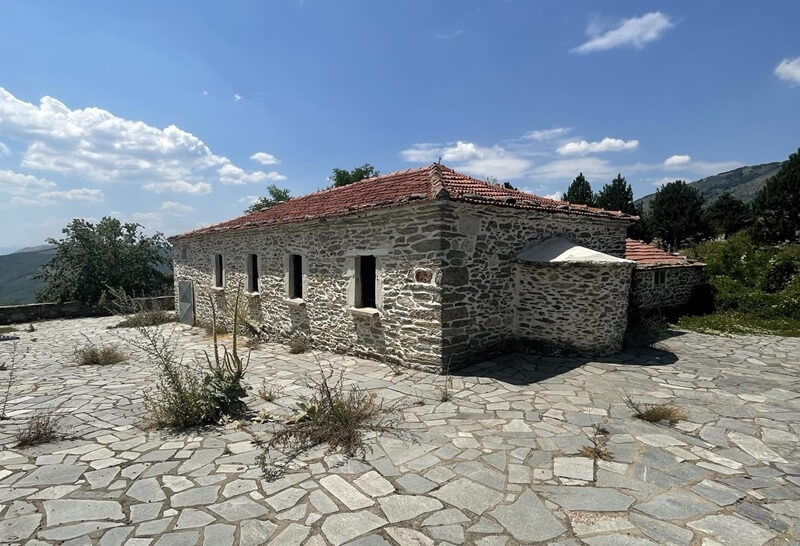
During the march of the armed groups of Vergas and Rouvas towards Lehovo, the Macedonian fighters stopped at the then abandoned monastery of St. Athanasius Vlastis (now the cemetery church of St. Athanasius Vlastis) to venerate the icons and rest. Then they set out for Mouriki Hill, which they reached at dawn on April 21, 1905. The Mouriki Height was rocky, steep and overgrown, and therefore suitable for hiding the crowd of armed men who formed the Verga and Ruba groups.
Along with the settlement of the Macedonians on the Mouriki Height, the Ottoman authorities of Vlastis seem to have been reinforced by the Ottoman gendarmerie. On April 22, about 200 nizamides (Ottoman gendarmes) surrounded Vlasti and searched for the caves of the Greek Macedonians, while another 100 went to the Mouriki Height, probably unaware that the Macedonian groups had settled there.
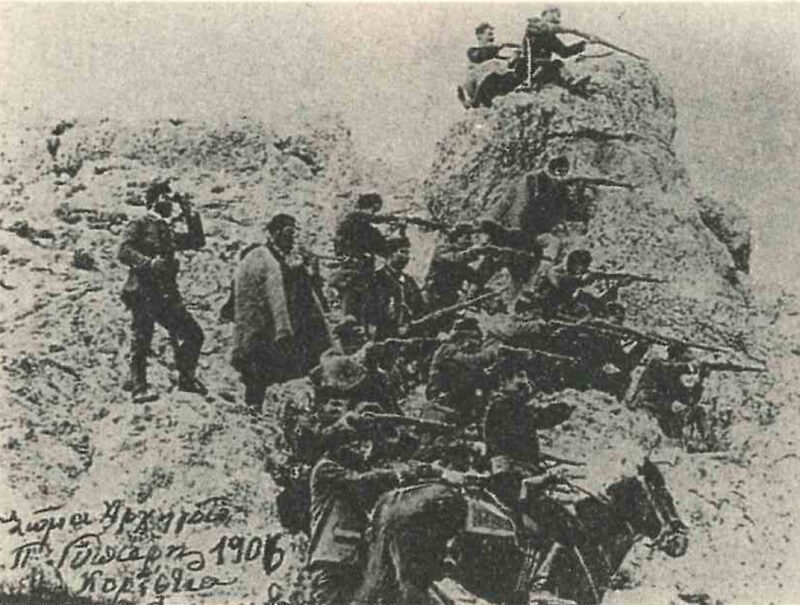
According to contemporary sources, there was a dense fog in the air that morning, which limited visibility. As a result, the Ottoman forces moving towards Mouriki Hill found themselves surrounded by three armed groups of Macedonian fighters, Rouvas, Vergas and Gyparis, who were camped in different places.
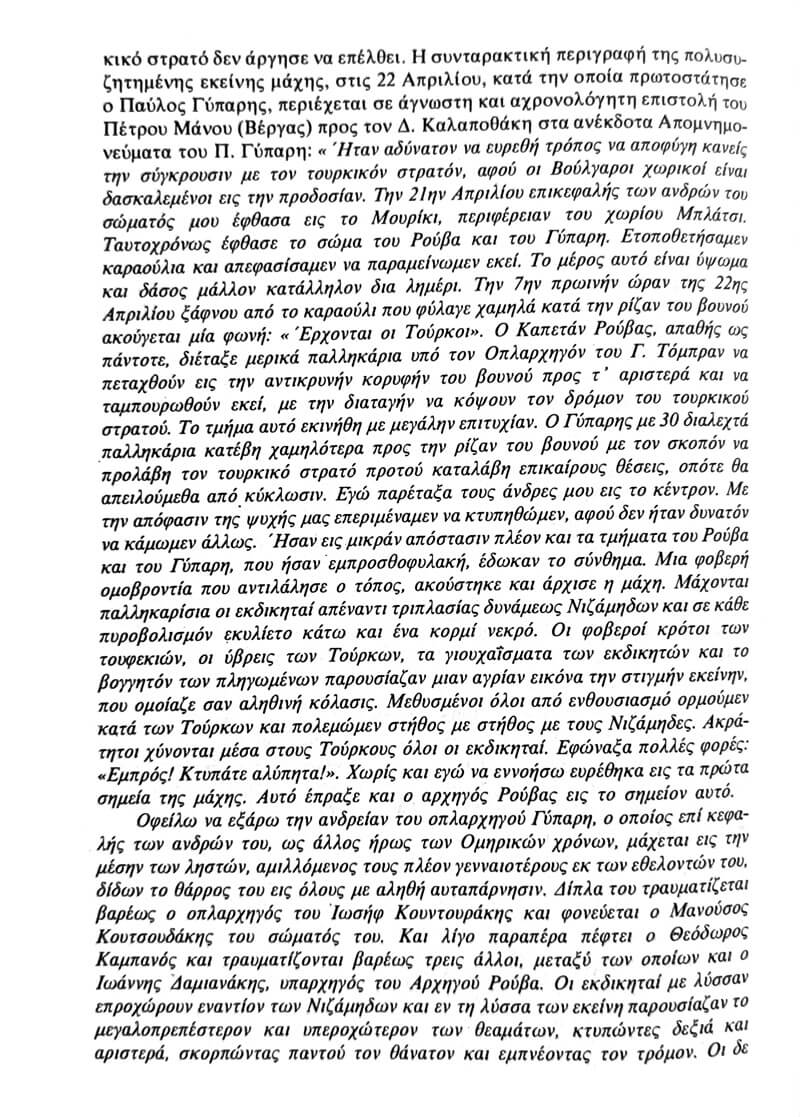
The guards noticed the presence of the Ottoman detachment and the battle began immediately. The first shot was fired by the Macedonian fighter Christos Papadopoulos. This was followed by an exchange of fire in poor visibility conditions. The fierce battle between the 115 Macedonian fighters and about one hundred 100 Ottomans was felt in Vlasti, and as a result the 200 Nizamites who were there were directed to the Mouriki Height.
The chieftains Vergas and Rouvas, realizing the magnitude of the battle and the reinforcements arriving on the Mouriki Height, sent Captain Pavlos Gyparis with a few men to occupy the adjacent hill in order to surround the Ottoman detachment. In this way, the Ottoman forces found themselves at a disadvantage, surrounded by the Macedonians who were attacking from all sides. In a short time, the Ottoman detachment was forced to retreat disorderly.
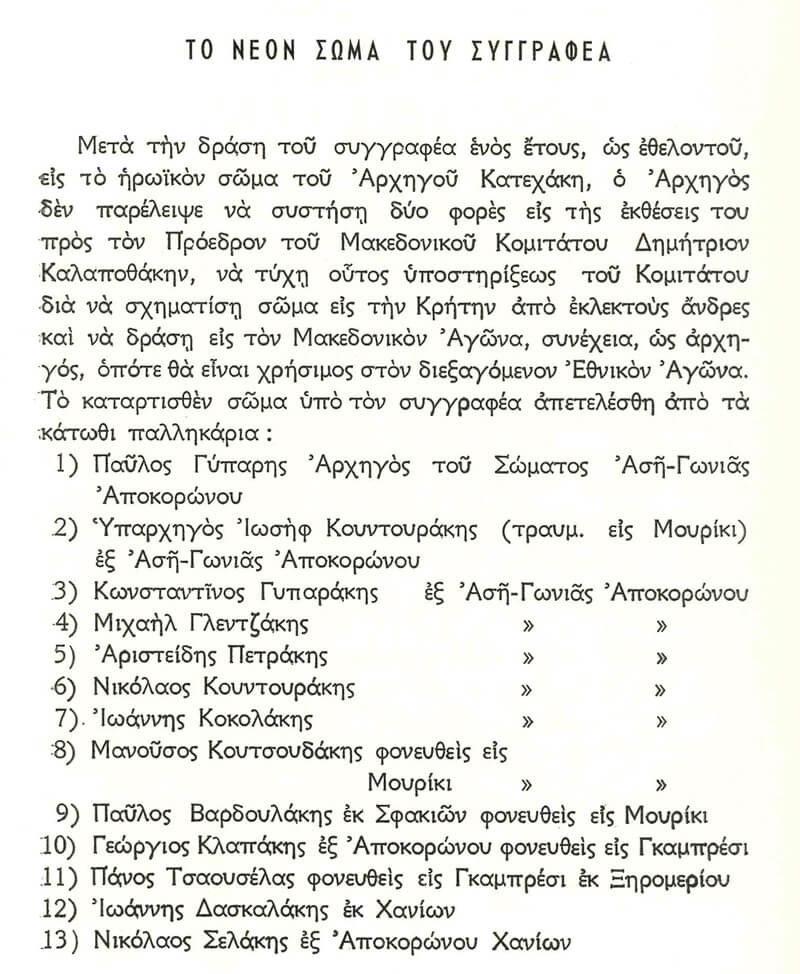
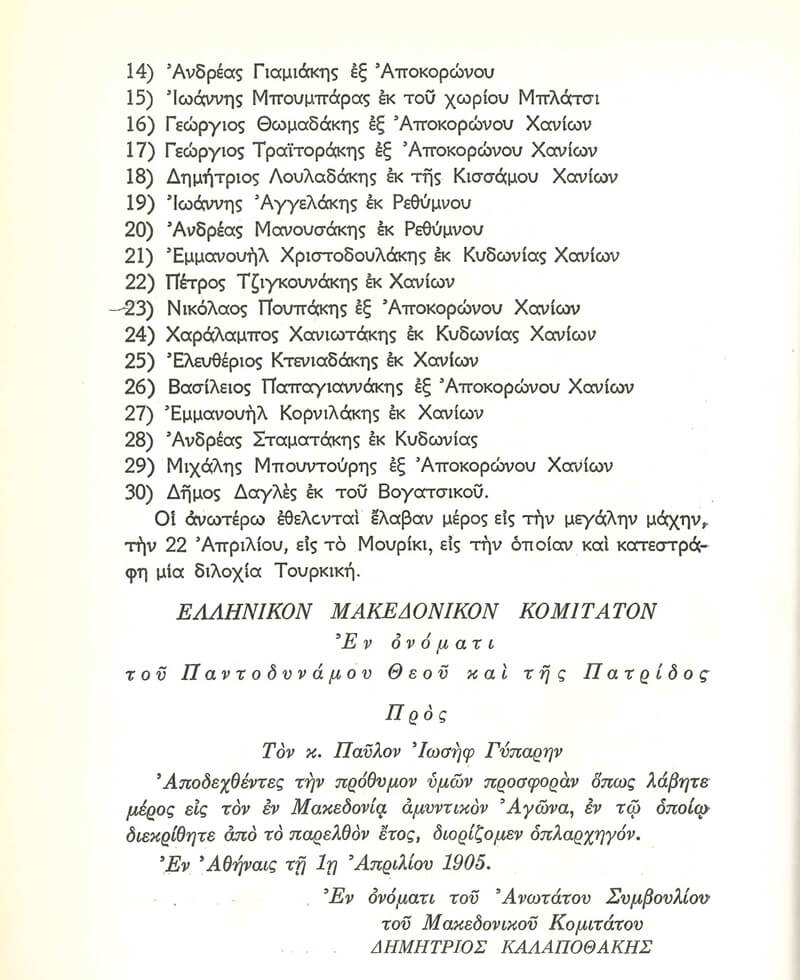
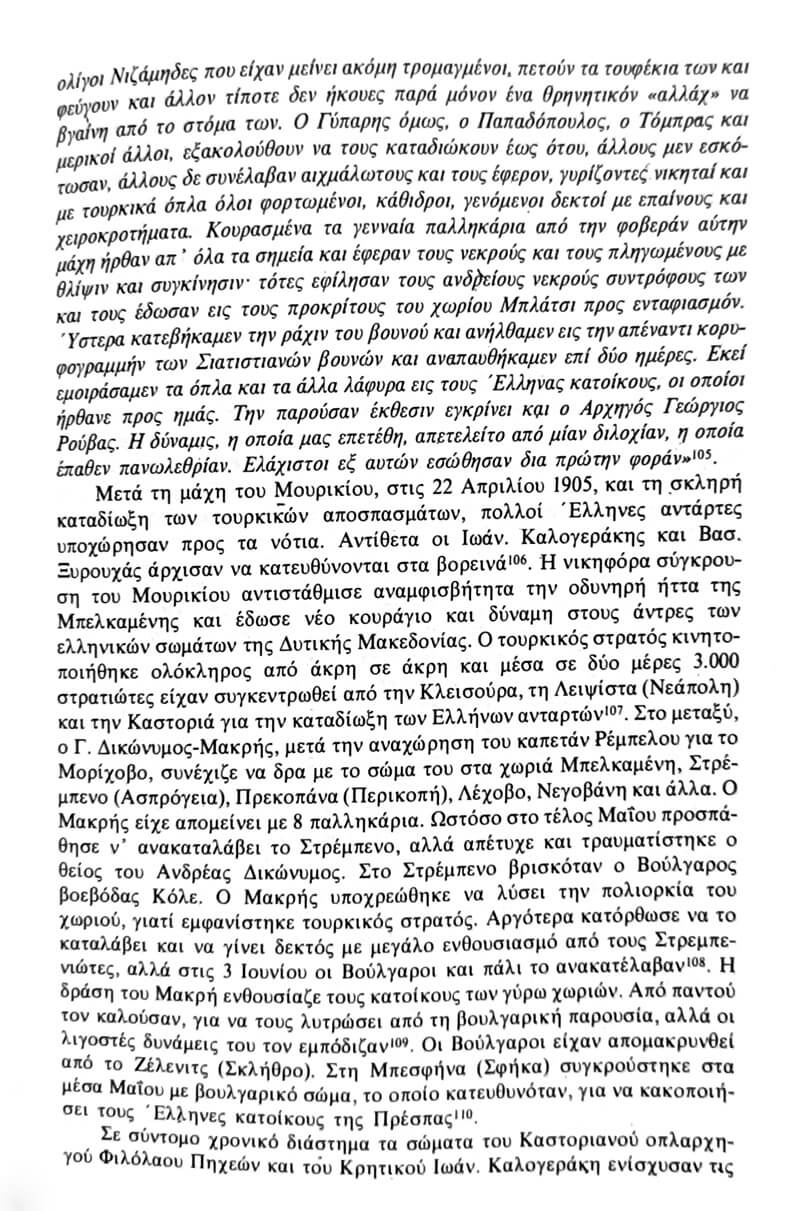
During the battle at Mouriki Height, Captain Pavlos Gyparis and Christos Papadopoulos were distinguished for their bravery. At the end of the hostilities, Captain Vergas appointed Christos Papadopoulos to the position of commander. In terms of casualties, 3 Macedonian fighters lost their lives and three others were wounded. They were Th. Kambianos, M. Koutsoudakis and P. Vadoulakis and I. Kountourakis, N. Papadakis and I. Damianos. The number of Ottoman soldiers killed by the fire of the Macedonian soldiers is unknown. However, from the testimonies of the time, it seems that the Ottoman detachment suffered heavy losses. In his memoirs, Pavlos Gyparis mentions that an Ottoman division was destroyed at Mouriki.
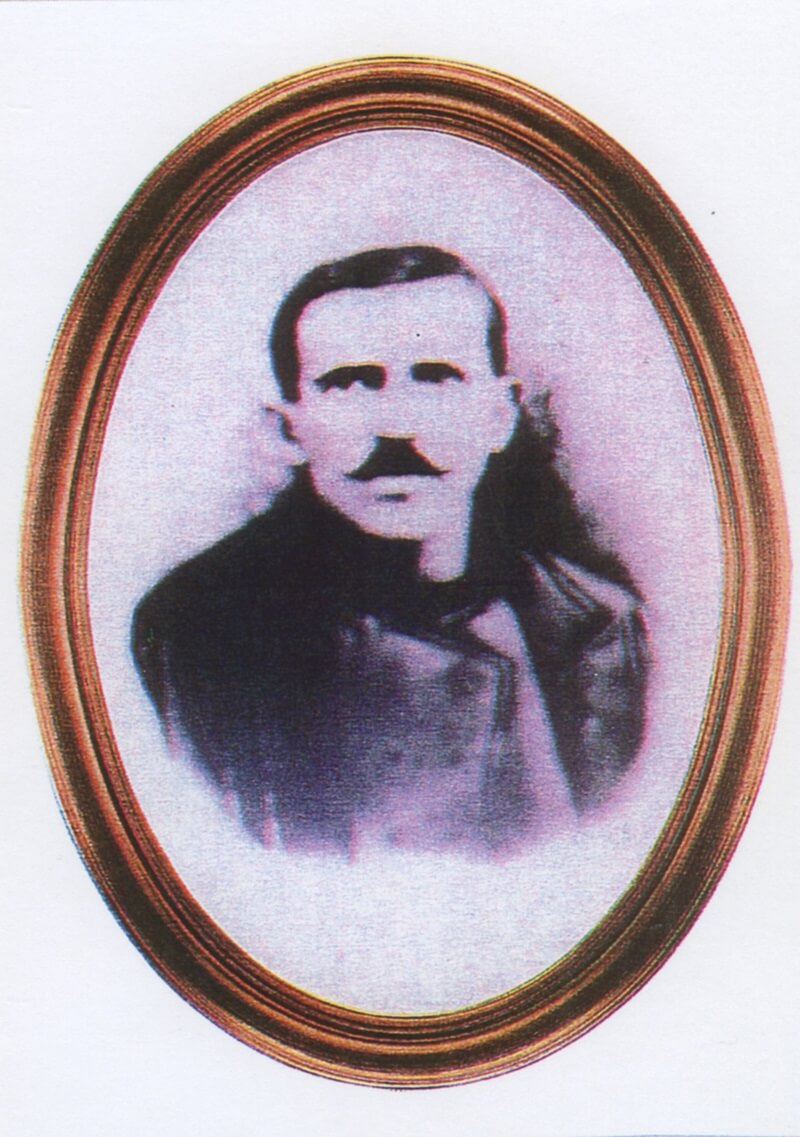
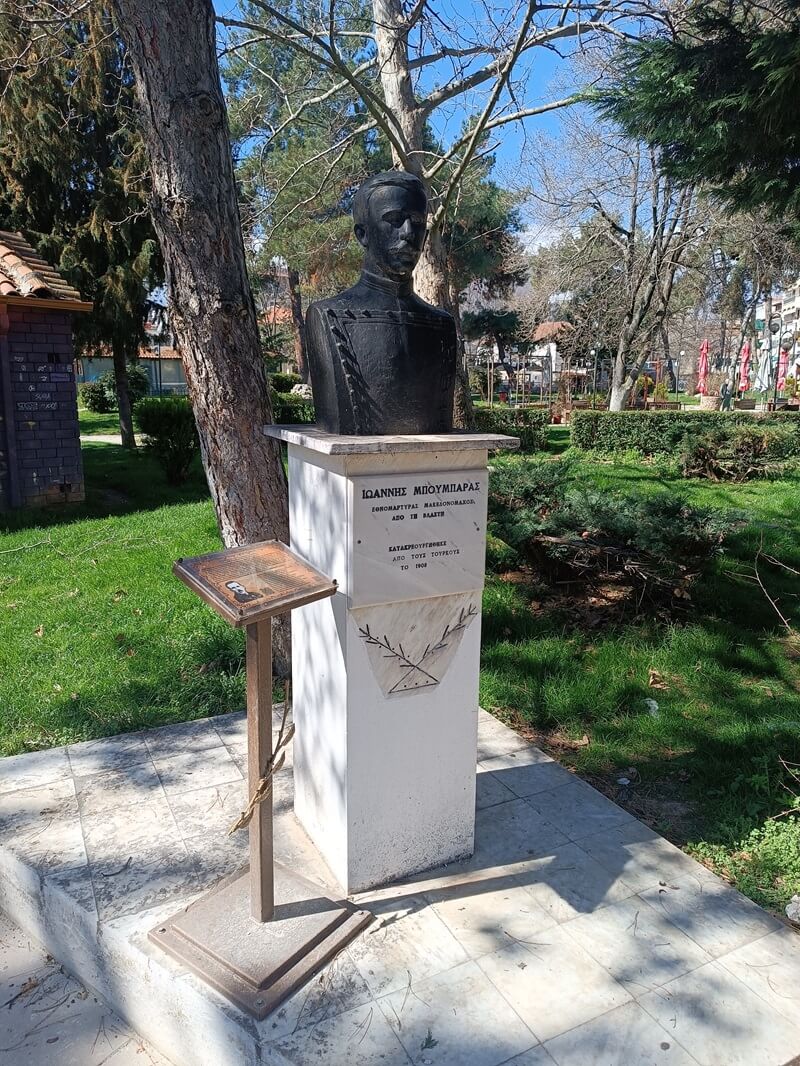
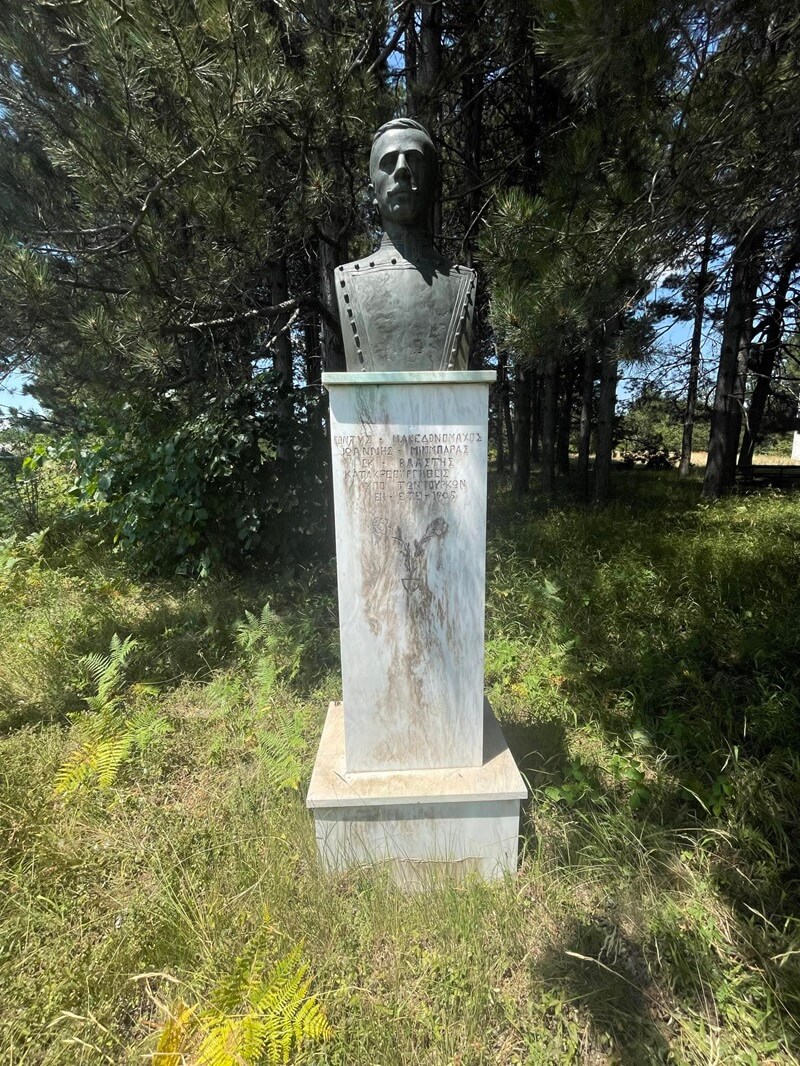
The battle of Mouriki resulted in about 3,000 Ottoman soldiers being sent to Vlasti to pursue the Greek Macedonian fighters who managed to escape. One of the inhabitants of Vlasti, Ioannis Boubaras, became a victim of the Ottoman reprisals. Boubaras, the local leader of Captain Verga's armed corps, was arrested by an Ottoman detachment and subjected to brutal torture in order to extract information that would lead to the arrest of the Macedonian fighters. Despite the brutal torture he suffered, he died without betraying his comrades. His fame is centered on his bravery and heroism.
After the Battle of Mouriki Hill, the armed forces of chieftains Verga and Rouvas were almost disbanded, as many Macedonian fighters returned to their homeland because of the intense Ottoman persecution. However, the general leader of the armed corps, Captain Georgios Tsontos (Vardas), remained in the territories of Western Macedonia.