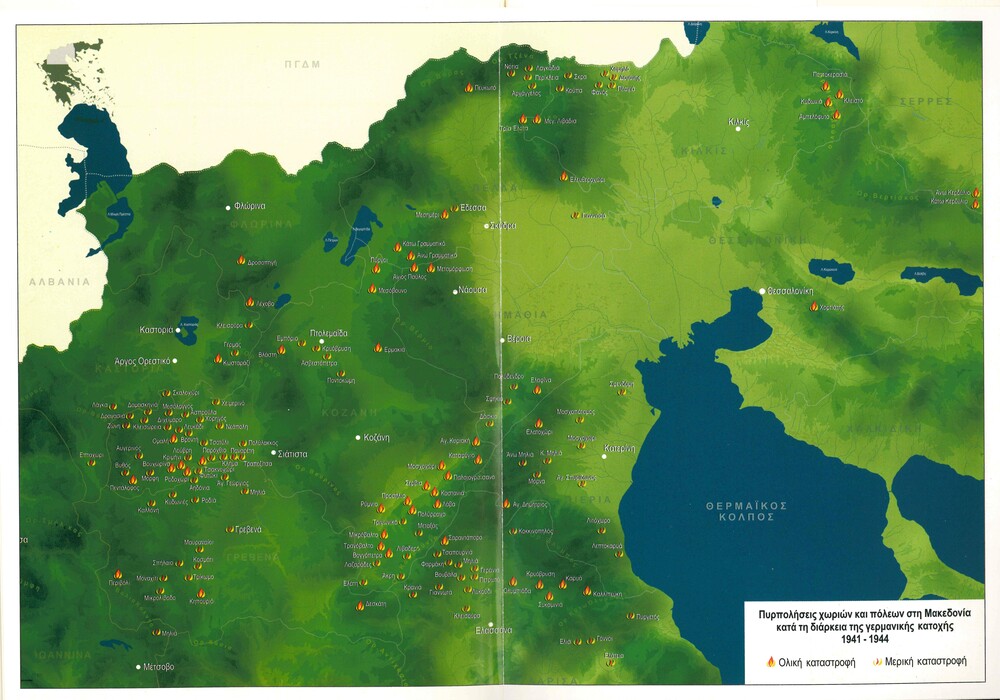
In the spring of 1944, the occupying forces intensified their operations against the resistance groups in Western Macedonia. In this context, the German garrison of Kastoria took over the coordination of the military actions for the extermination of the guerrillas in the areas around Mount Askio. The operation was led by Sergeant Michael Ebner of the military gendarmerie.
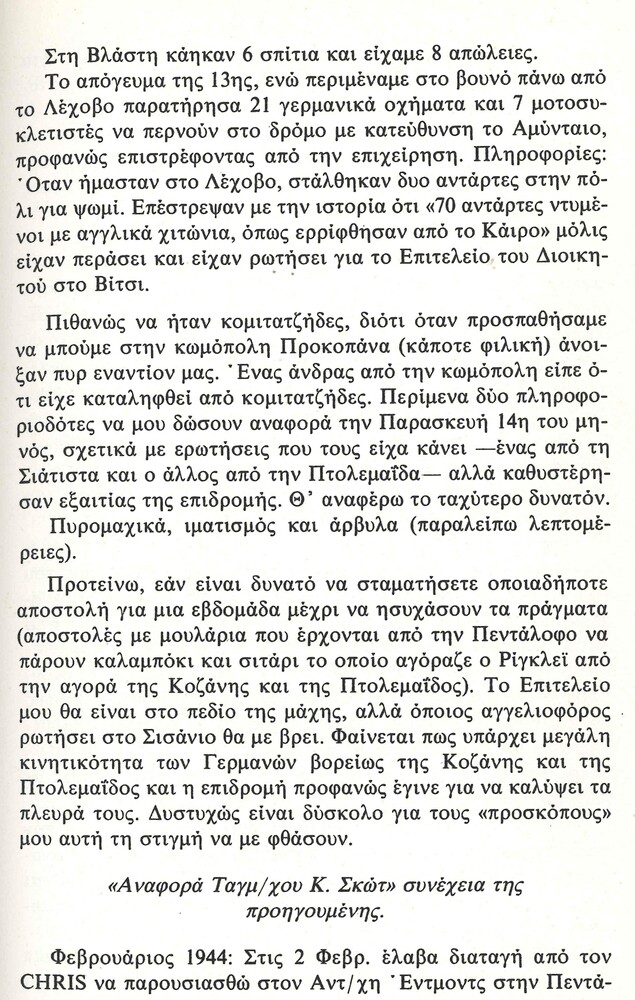
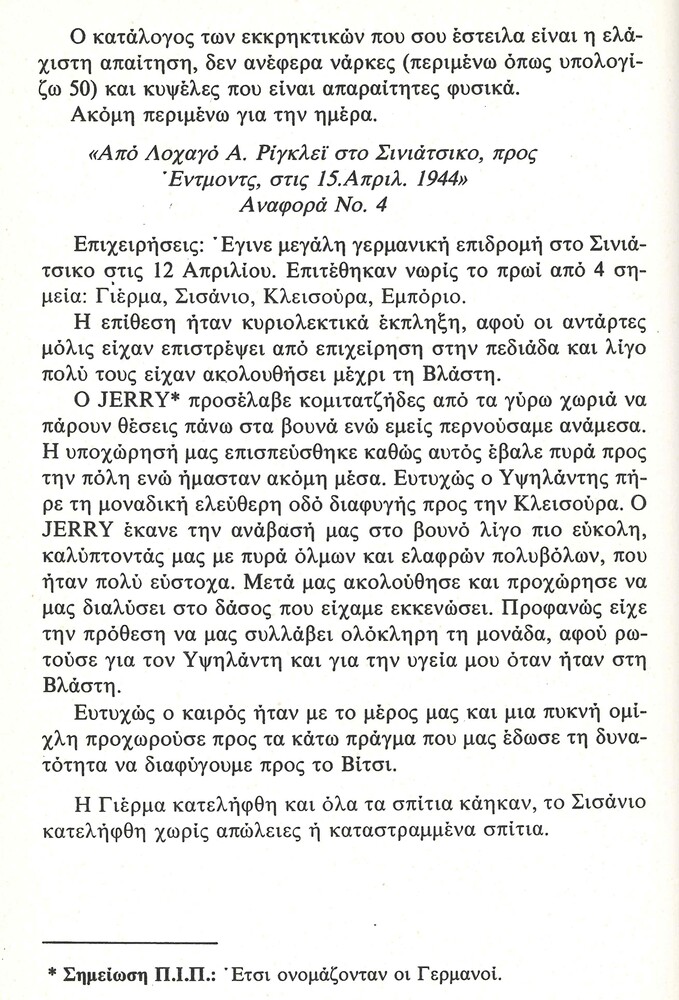
The operation began on April 12, 1944, when Sergeant Ebner and about 200 Wehrmacht and SS soldiers, as well as 50 Komitadjis, moved towards Kostarazi. At the same time, the inhabitants of the village of Germas, informed of the presence of the occupying forces in the wider area and aware of the previous aggressive actions and massacres that had taken place in other villages of Western Macedonia, abandoned their village and sought refuge in the surrounding mountain areas.
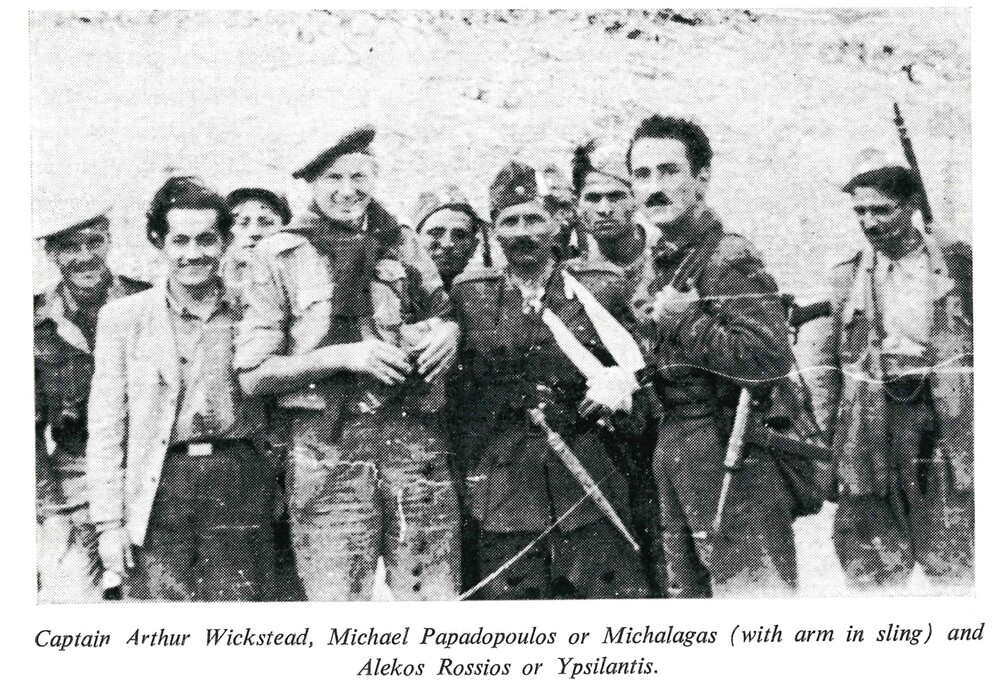
The next day, April 13, after the Kostarazi massacre, a military detachment went to Germas in search of guerrillas of the Greek People's Liberation Army (Ellinikos Laikos Apeleutherotikos Stratos / ELAS) and their collaborators. The Germans had information that the inhabitants of Germas were supporting the activities of resistance groups and that some of them had joined the ranks of Alexandros Rossios (Captain Ypsilantis), an ELAS officer. Upon arrival in Germas, the German detachment found the village deserted, as most of the inhabitants had already fled to the surrounding mountains.
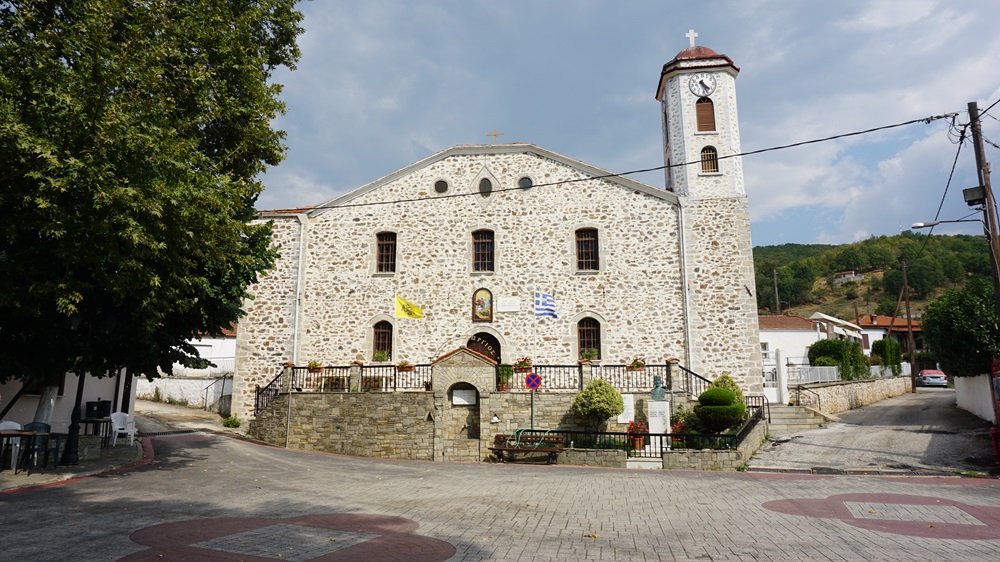
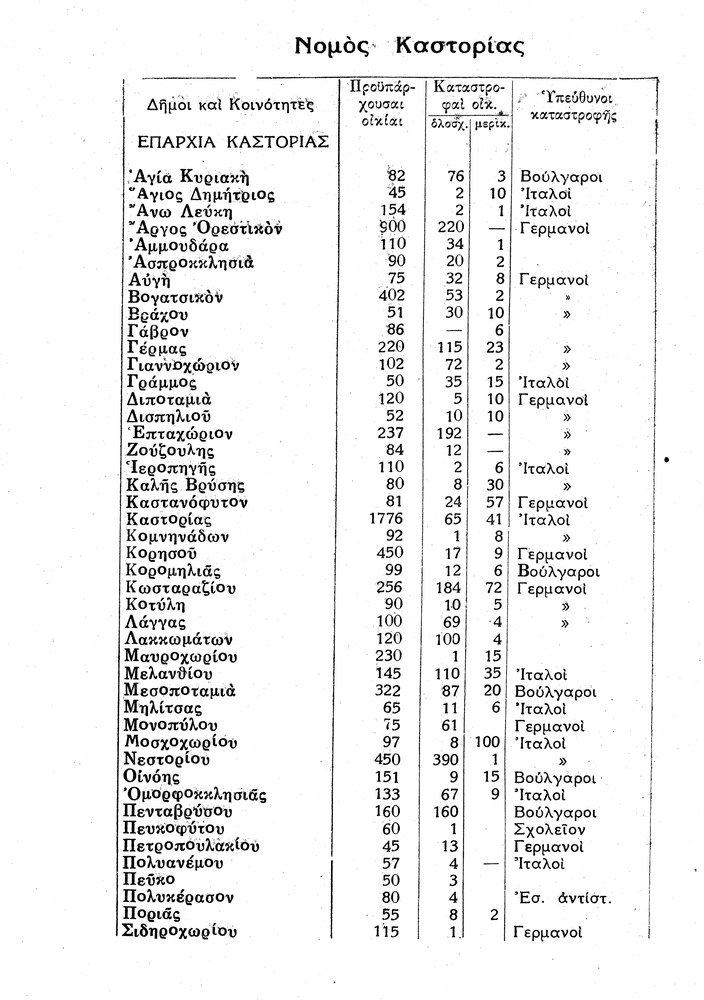
In retaliation for the escape of the Germans and for their collaboration with the guerrillas, the Germans executed the few inhabitants who had remained in the village and, following their usual practice, set the village on fire. A total of eight civilians, most of them elderly, died as a result of the violence of the occupying forces during the attack on Germas. The material damage was also severe, as at least 130 of the 180 houses were completely destroyed. The surviving inhabitants of the village were forced to flee to Vogatsiko, unable to stay in Germas due to the complete destruction of the village's residential structure.
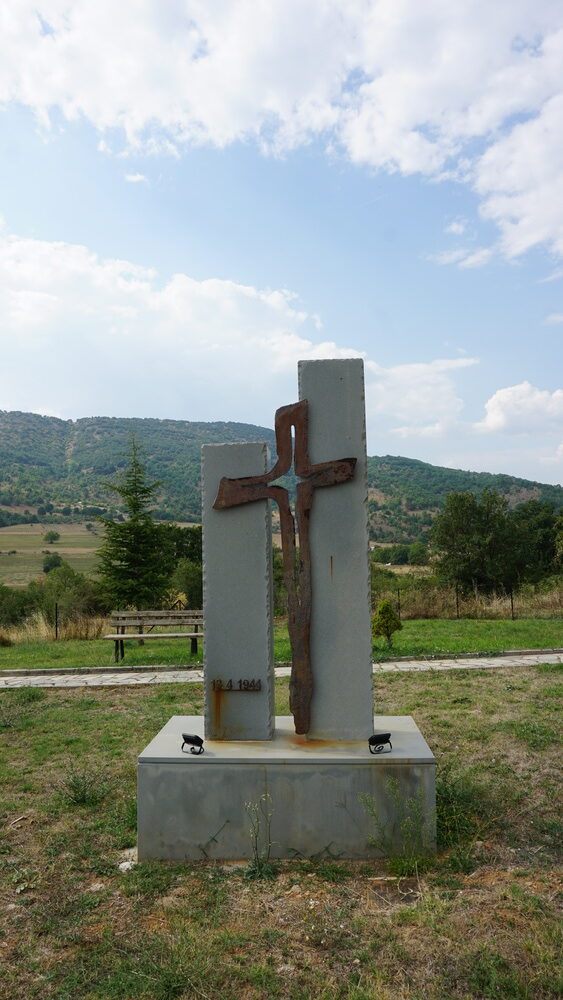
In March 2020, the Greek State, by Presidential Decree No. 32/11.03.2020, declared Germas a Martyred Village, thus honoring the memory of the victims of the massacre.