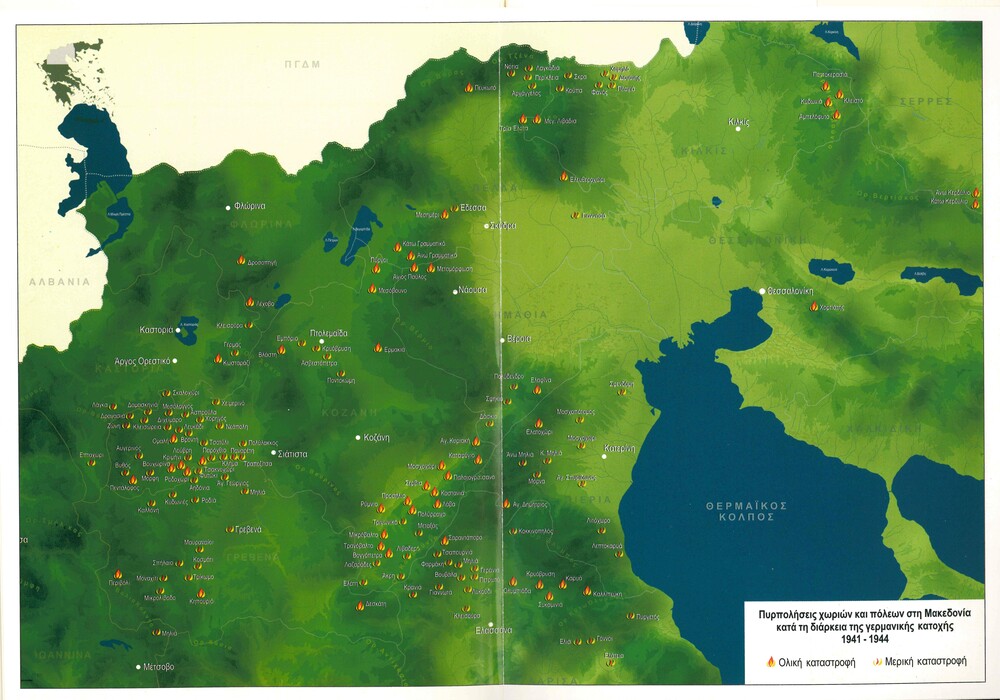
From 1942 to 1943, the occupation authorities carried out a series of operations aimed at eliminating rebel groups in Western Macedonia. As part of these operations, extensive military violence was used against the civilian population of rural settlements, with bombing, burning of villages, destruction of houses, looting and displacement. These acts of violence were encouraged by the occupying authorities as a means of retaliation and preventive action to regain control of areas that had fallen under the influence of resistance organisations.
As far as the Italian forces were concerned, these violent tactics intensified after February 3, 1943, the day on which General Geloso, commander of the Italian forces in Greece, issued the relevant written instructions. These instructions provided specific operational tactics for the "fight against partisans". These orders eliminated any distinction between the civilian population and the resistance groups, referring to both the rural communities and the partisan groups as "enemies to be eliminated by any means and at any cost".
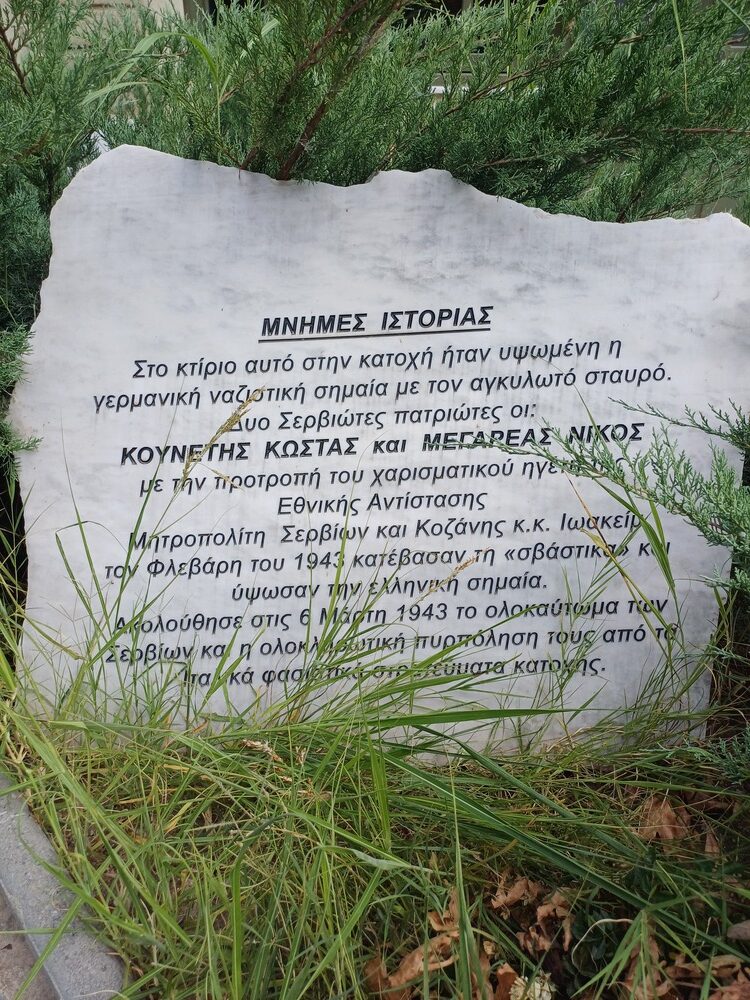
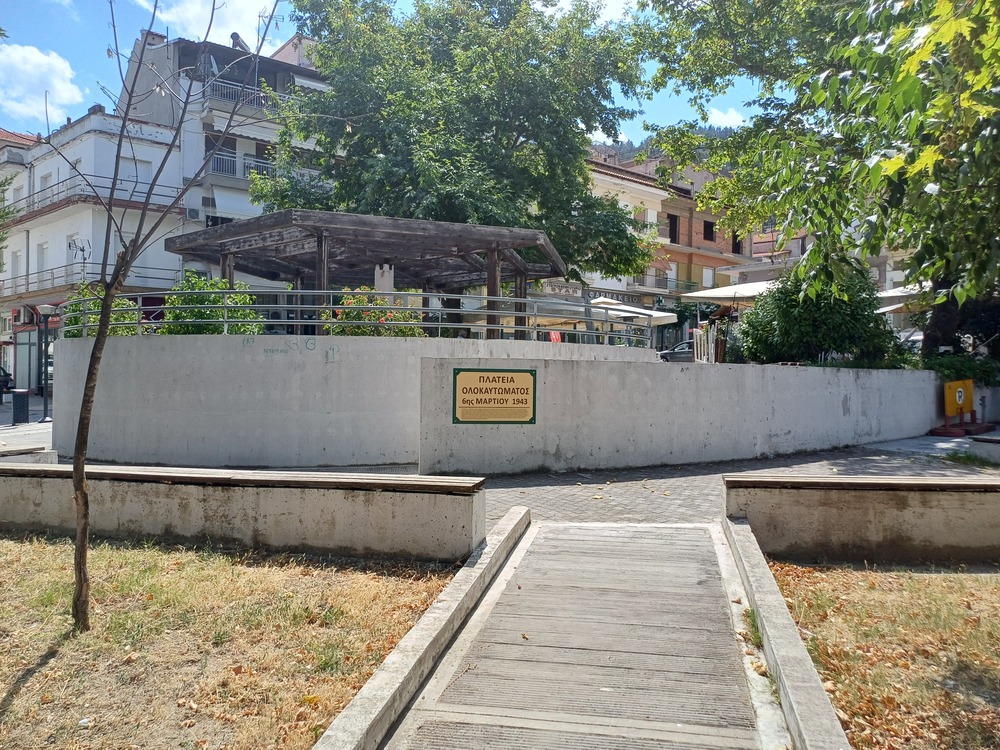
The Italian authorities, following Geloso's instructions, linked the suppression of guerrilla activity to the war against the civilian population. As part of the implementation of "repressive" and "preventive" measures, Servia was targeted by the Italian authorities. On March 6, 1943, an Italian convoy arrived in Servia. As it passed through the village, the convoy set part of it on fire and continued on to the Aliákmon bridge. However, when they reached the banks of the river, they found the bridge destroyed and were forced to return to Servia.
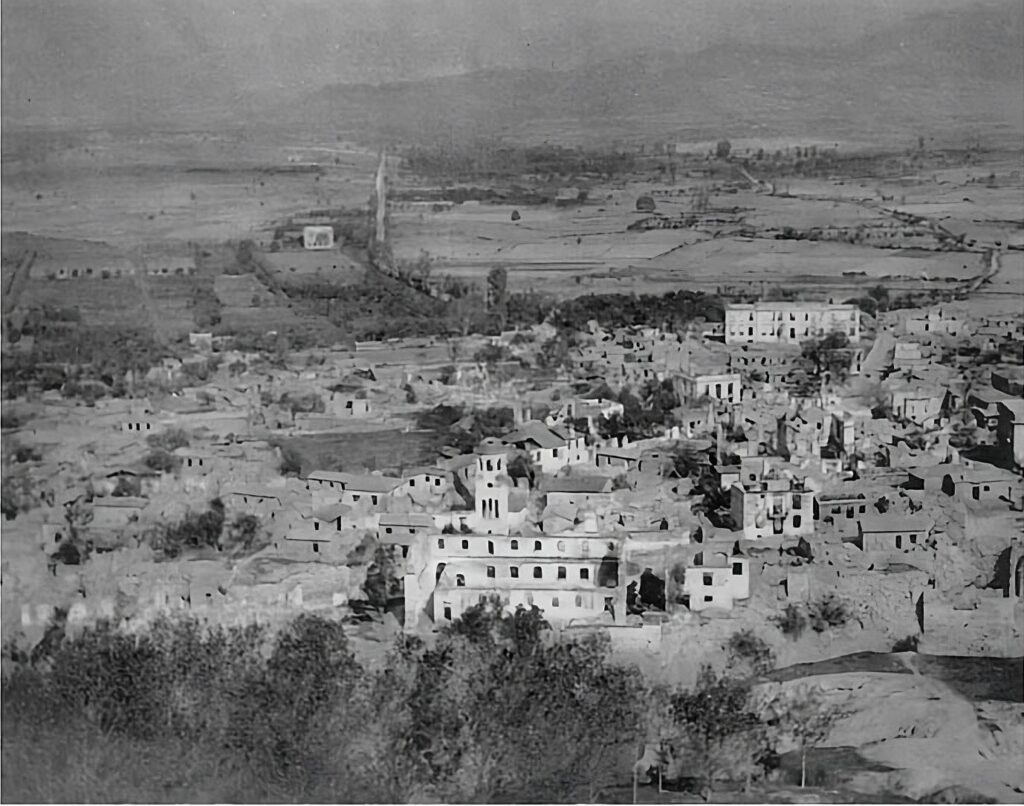
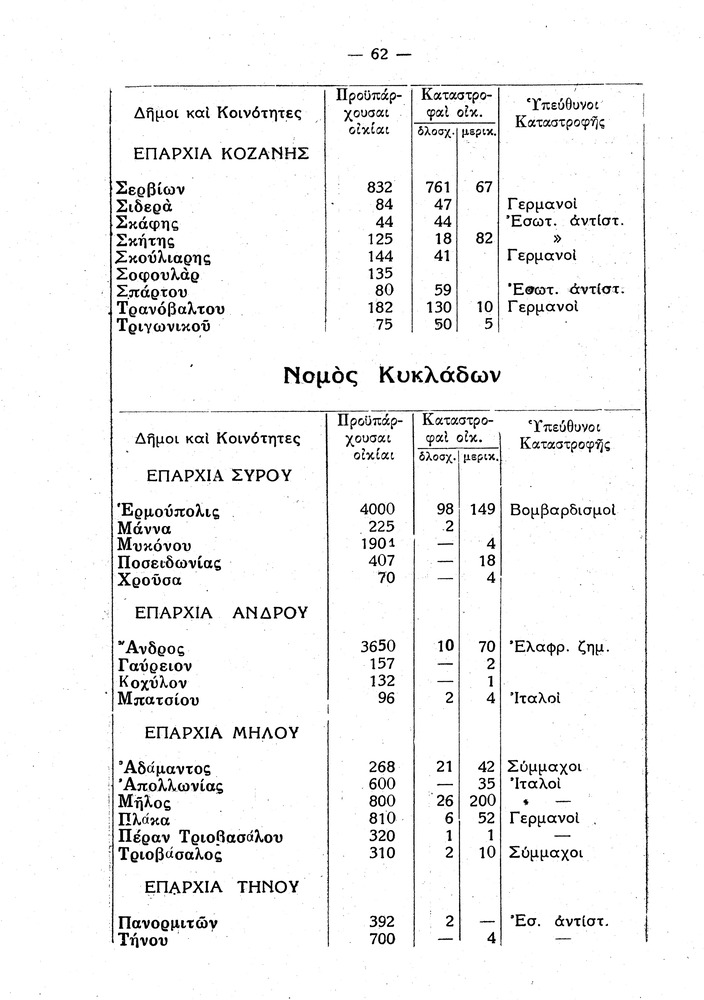
On March 6, around 10 a.m., the occupying forces began a massive looting and burning of the village buildings. Over the next two days, about 1,100 houses and community buildings were completely destroyed, while the occupiers did not even leave the two churches in the village unscathed, which were also set on fire. Very few houses were saved because they were used by the Germans. The orphanage was also saved, but it was destroyed by the Germans the following year when they left the area.
As for the inhabitants, most of them had already left the village before the arrival of the occupying forces. Men, women and children, with few supplies, fled to the surrounding mountains in search of shelter, despite the heavy snowfall that day. About 50 elderly people remained in Servia, unable to leave their homes. These civilians were executed without hesitation by the Italian soldiers.
With the massacre of Servia, the Italian administration left a mark of relentless, violent and totalitarian repression in Western Macedonia. The village was completely destroyed and the civilians were indiscriminately executed. The brutality of the Italian repression was such that it even provoked official protests from the German military command.
In October 2012, the Greek State, by Presidential Decree No. 118/03.10.2012, declared Servia a Martyred Village in honor of the victims of the massacre.