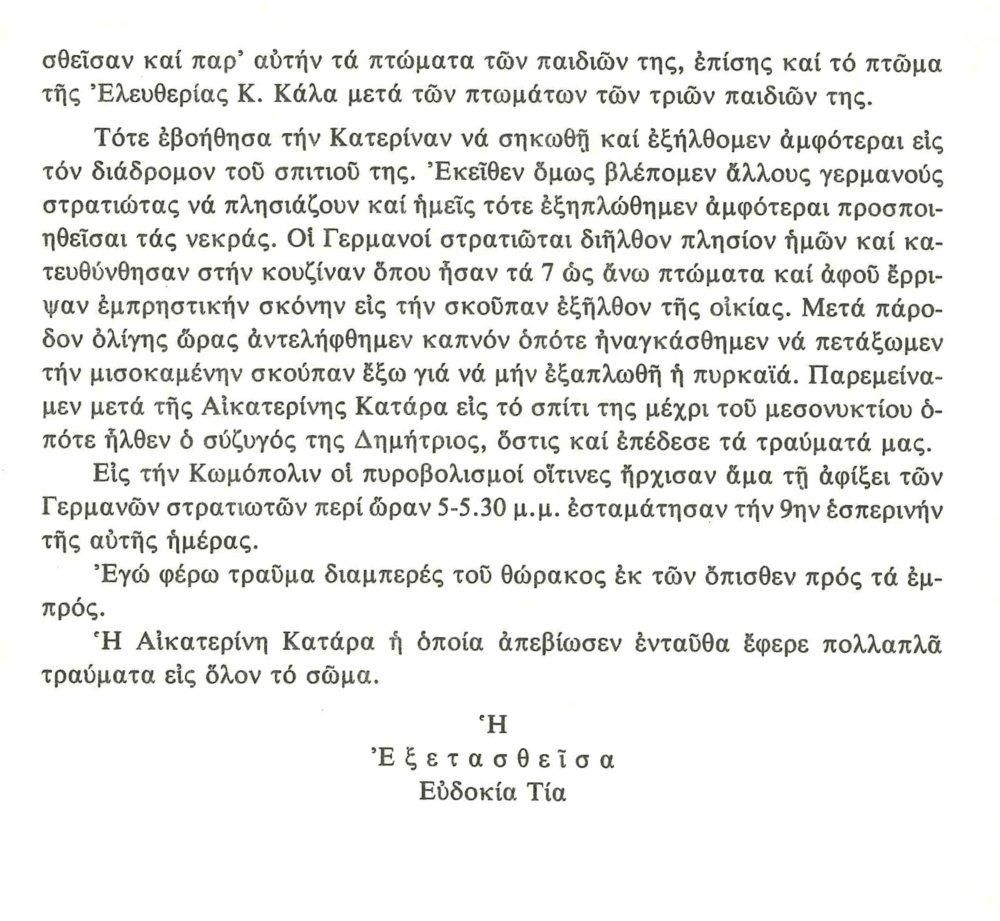
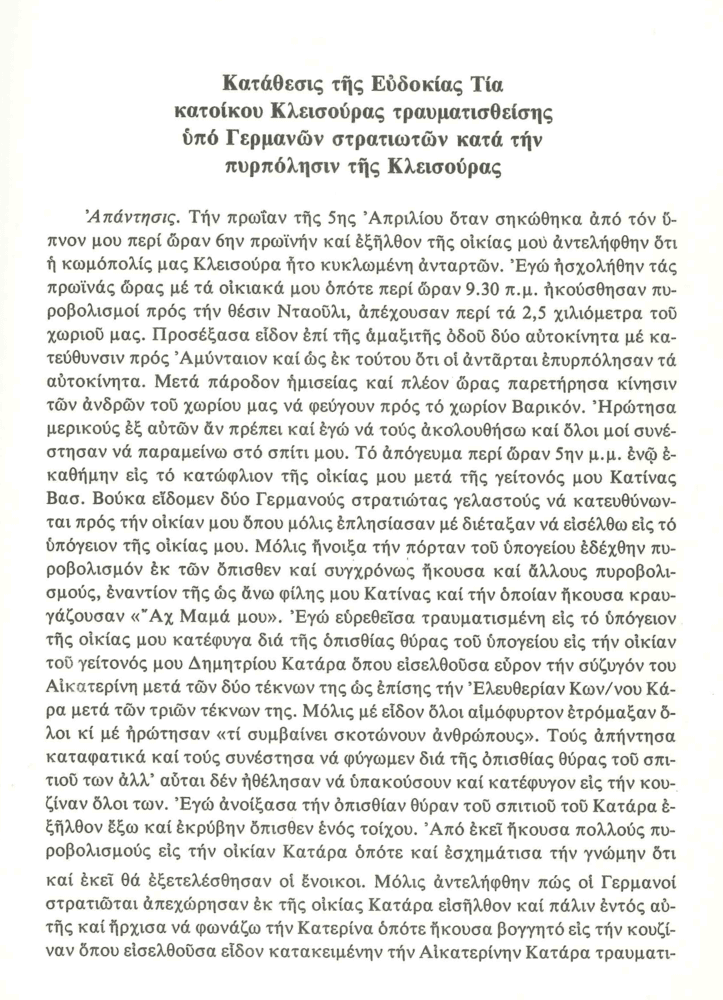
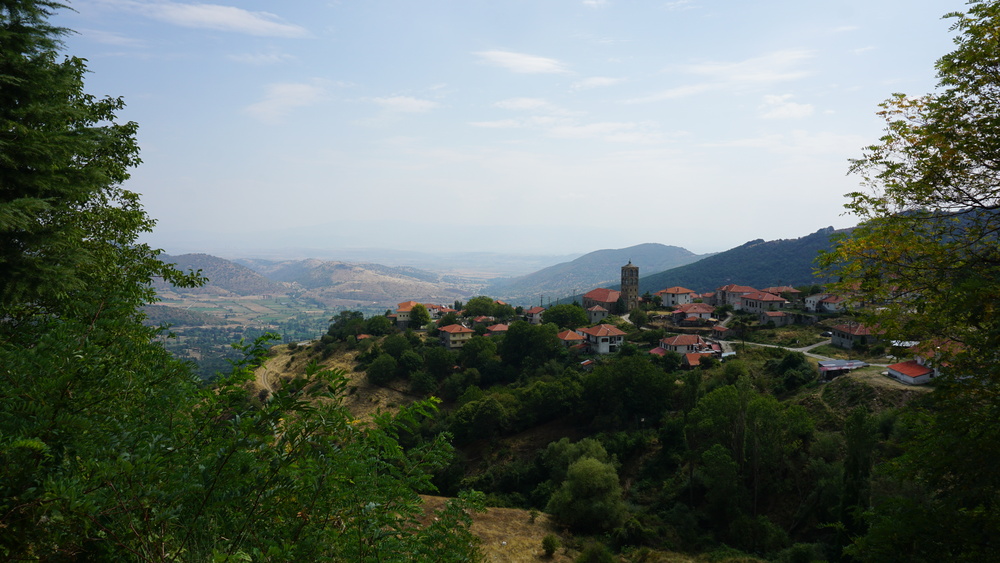
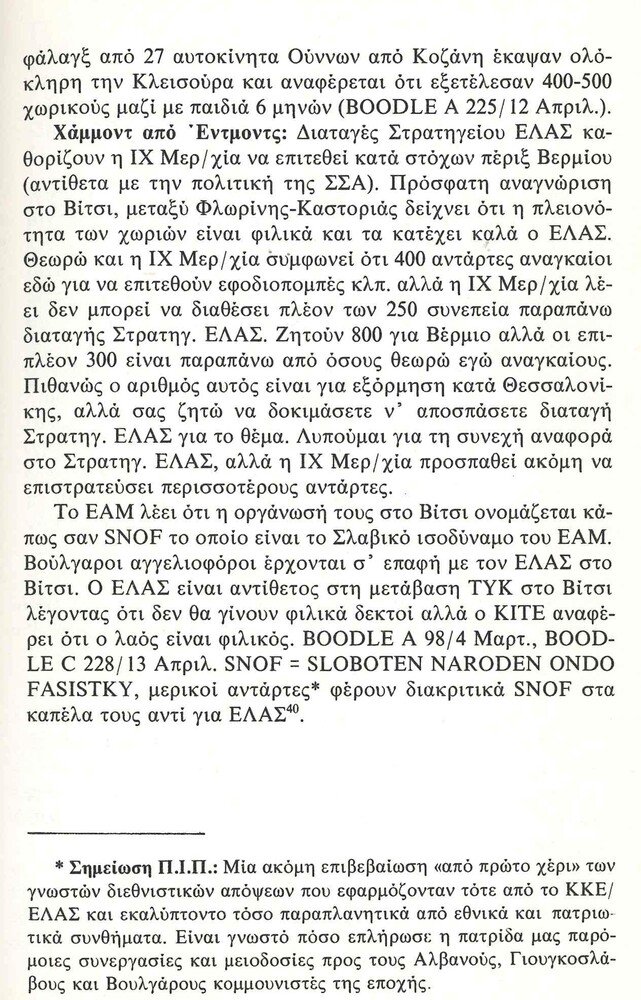
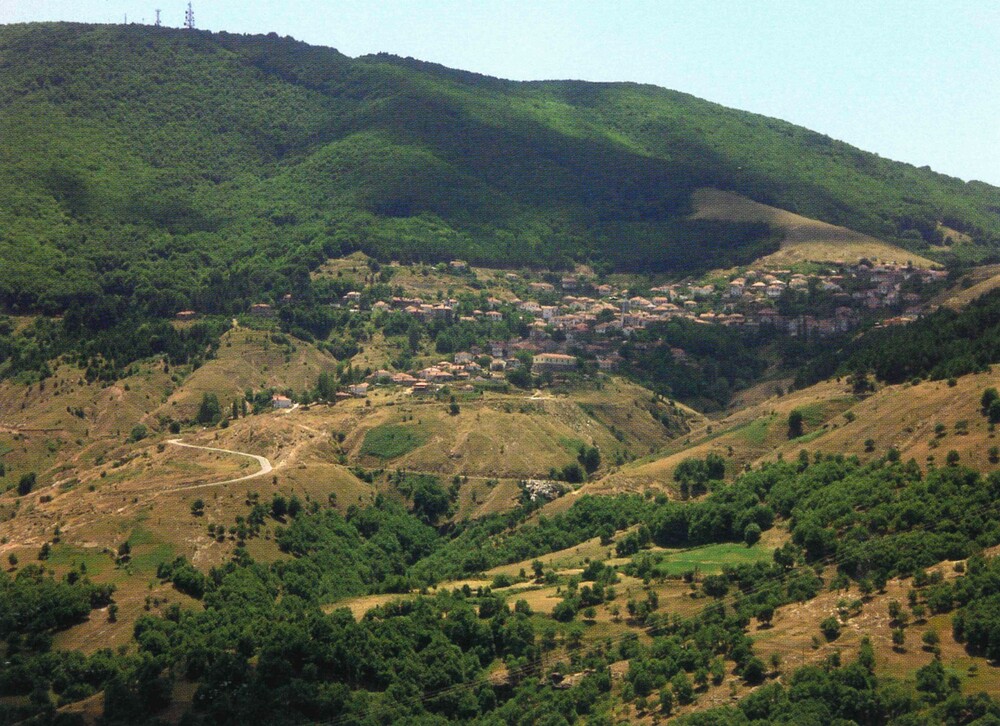
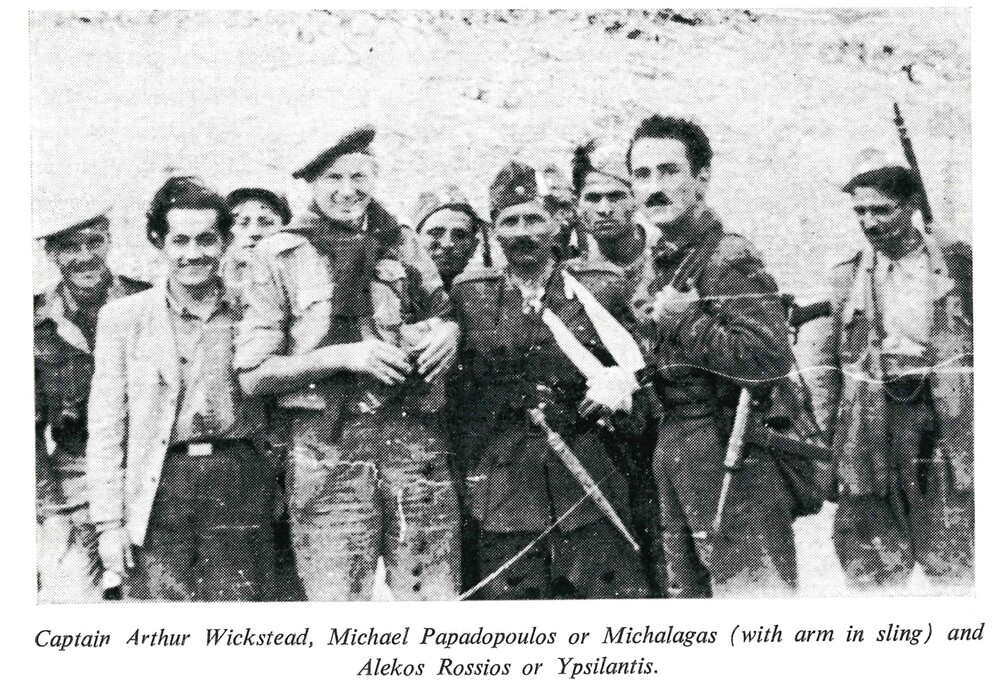
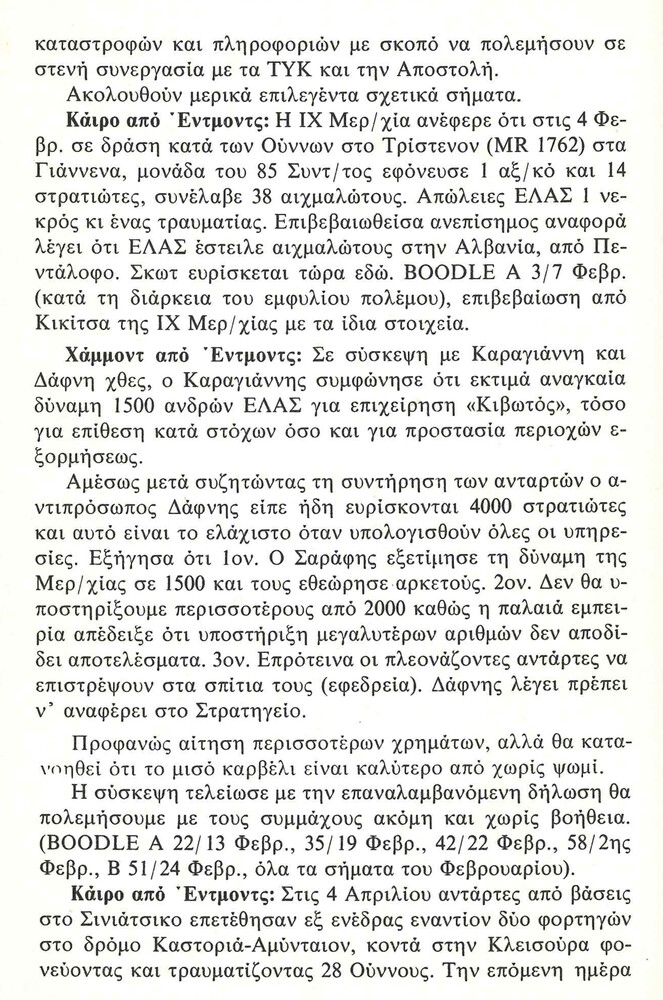
On the night of April 4-5, 1944, a platoon of guerrillas of the Greek People's Liberation Army (Ellinikos Laikos Apeleutherotikos Stratos / ELAS), led by Alexandros Rossios (Captain Ypsilantis), moved towards Klisoura to ambush a German convoy that, according to information, was passing through the area on its way to Amyntaio. On the morning of April 5, the guerrillas surrounded Klisoura and forbade the inhabitants to leave the village. Around 09:00, a detachment of guerrillas advanced to the arched bridge in the "Daouli" area to wait for the German convoy. When the advance guard appeared, the guerrillas launched an attack, killing two motorcyclists. The bodies of the two Germans were desecrated and left in plain sight.
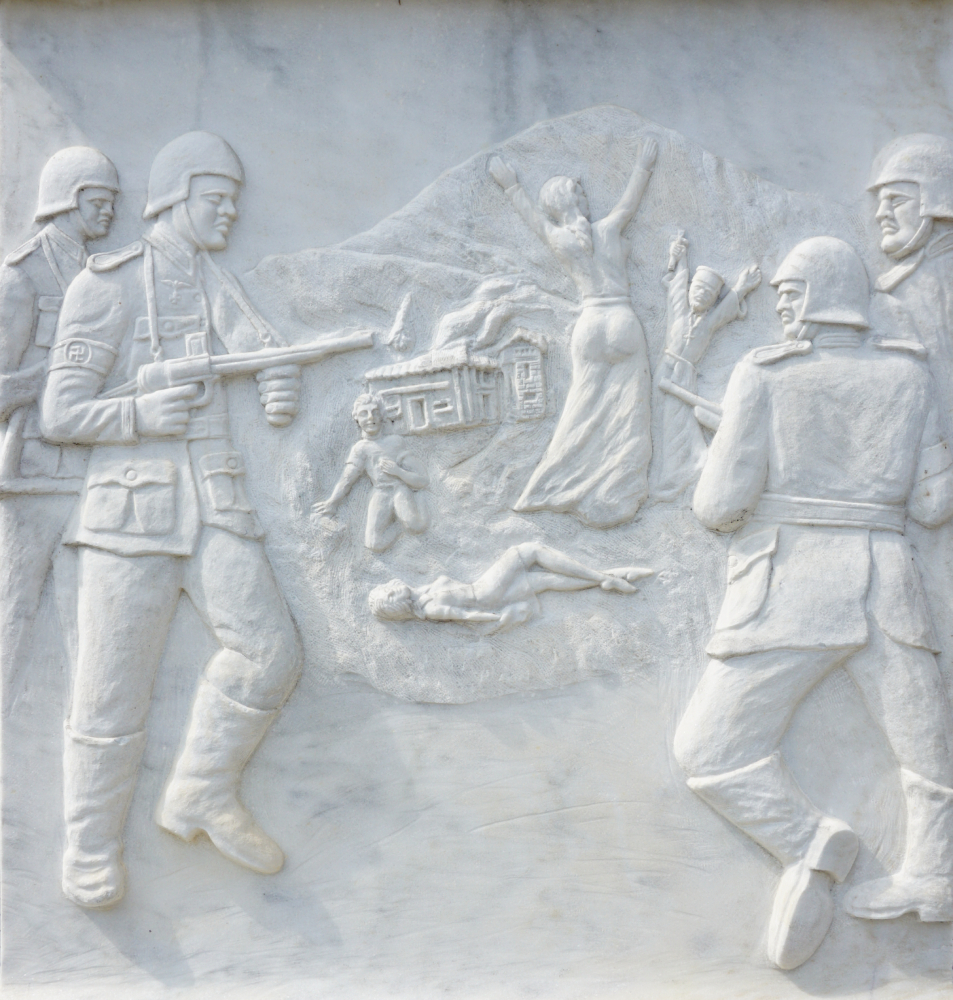
The appearance of strong German forces forced the ELAS guerrillas to flee. However, the attack, the death of the two German soldiers and the treatment of their bodies provoked an immediate reaction from the occupying troops. Klisoura was targeted. First, a small detachment was sent to the village to detect the presence of guerrillas and to reassure the inhabitants. Then the occupying forces, with the support of the Bulgarian Komitadjis Kalchev, surrounded and entered Klisoura and proceeded to executions.
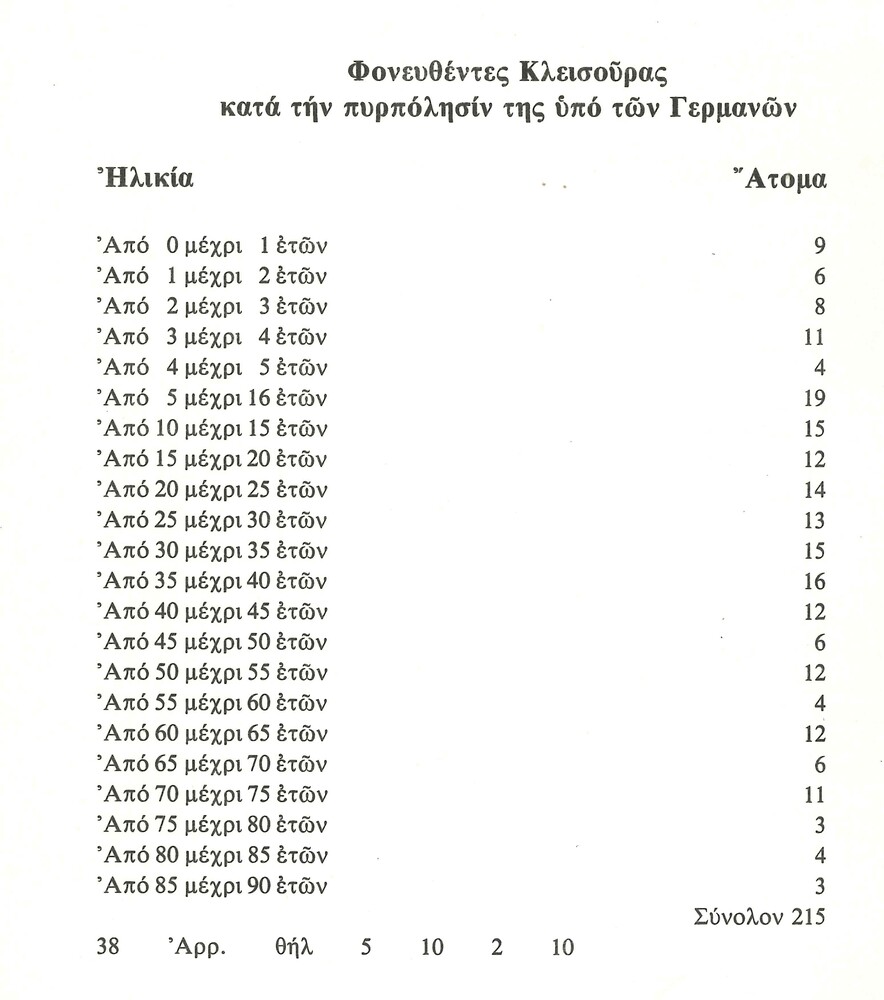
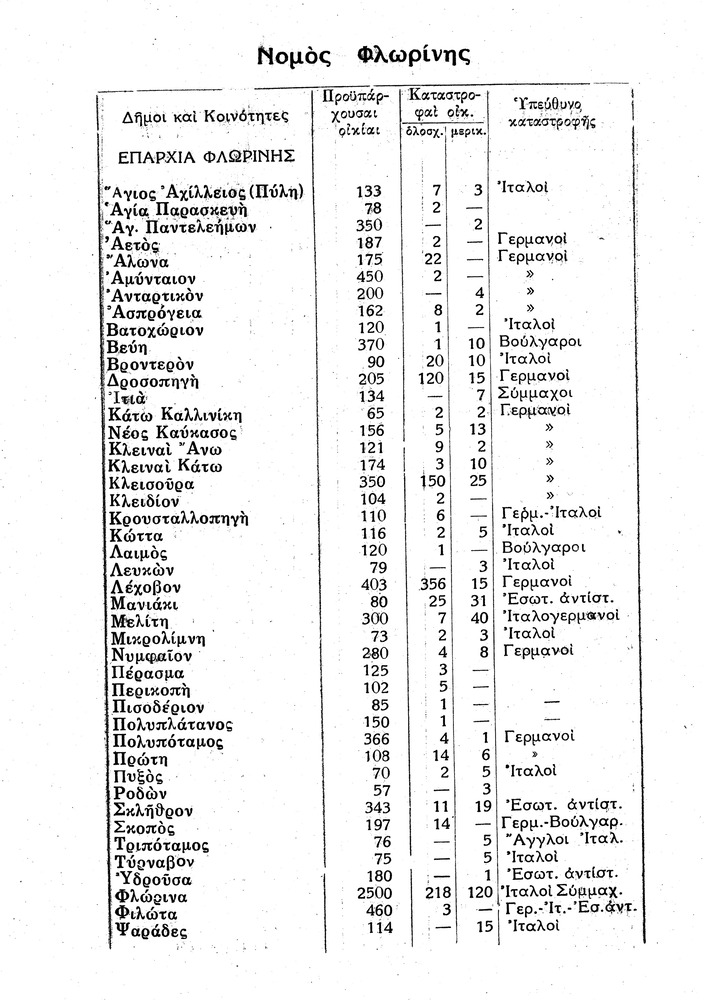
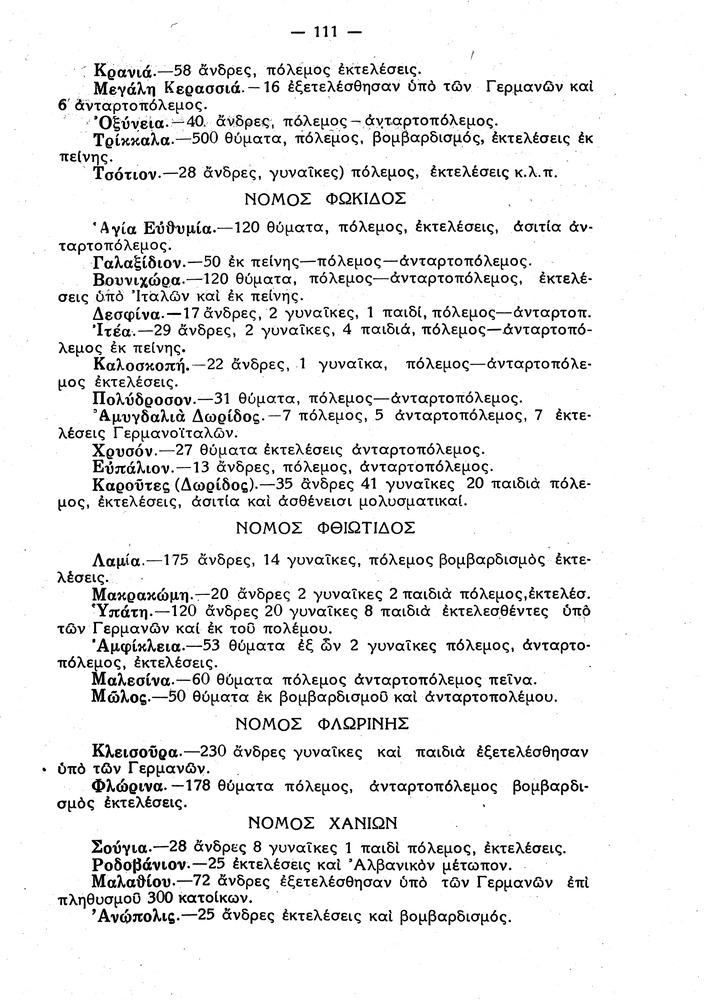
The destruction of Klisoura and the mass execution of its inhabitants sent a harsh message of intimidation throughout the region, warning neighboring villages to refrain from supporting resistance groups. The brutality of the occupiers resulted in the deaths of 280 civilians, mostly women and children, and the destruction of the village's residential fabric. Of the 350 houses in Klisoura, 150 were completely destroyed and another 25 suffered partial damage.
The atrocious attack on Klisoura by the occupying forces provoked reactions even from the highest Nazi officials. Hermann Neubacher, the Third Reich's political envoy to the Balkans, expressed his strong dissatisfaction in a letter to the Supreme Military Commander for Southeastern Europe, Maximilian von Weichs, and to the Foreign Ministry. He described the events as an "absurd bloodbath," reflecting the surprise and disgust that the brutality of the Klisoura war crime had provoked even within the ranks of the Nazi regime itself.
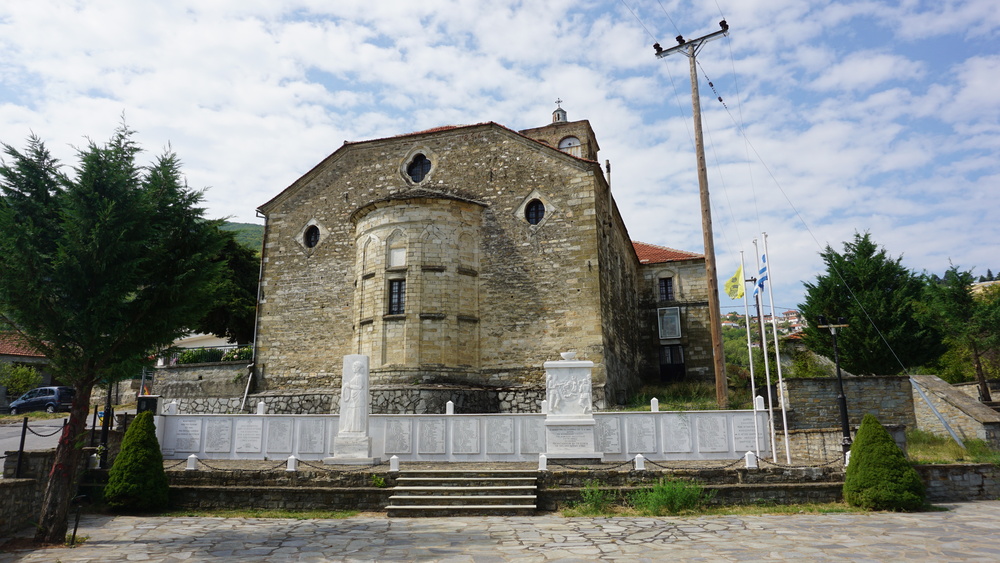
In December 1998, the Greek State, in honor of the memory of the victims of the massacre, declared Klisoura a Martyred Village by Presidential Decree No. 399/07.12.1998.