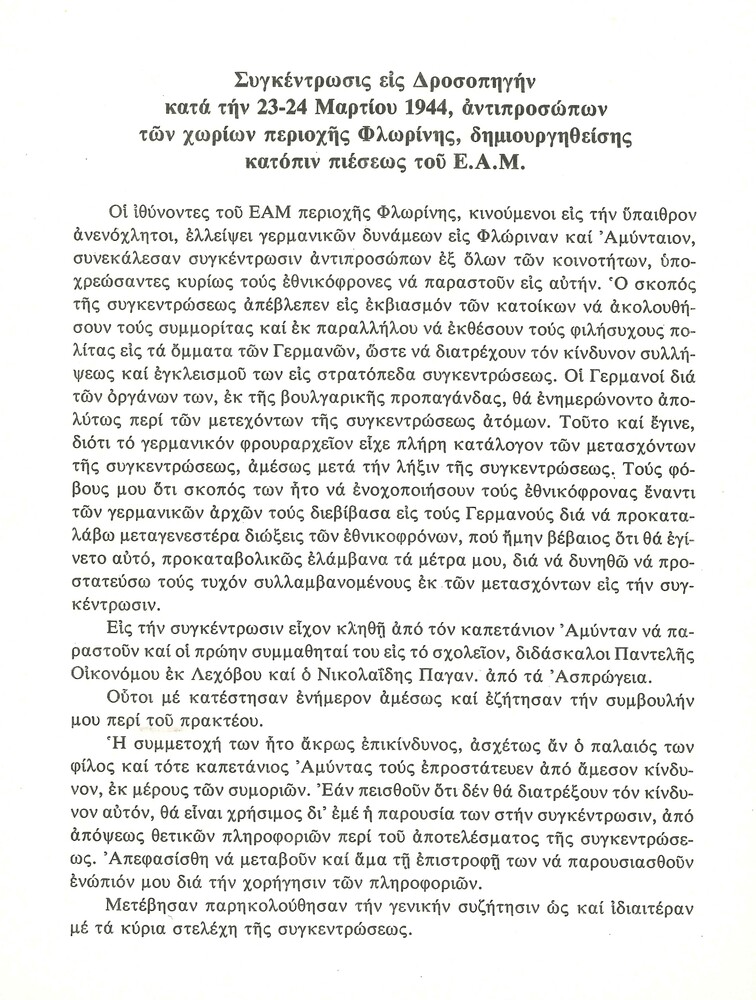
Between the end of March and the beginning of April 1944, the guerrilla presence in Drosopigi intensified due to some activities that took place in the village. On March 25, the first regional conference of the Greek National Liberation Front (Ethniko Apeleftherotiko Metopo / EAM) of Florina was held, with the participation of units of the 28th Regiment of the Greek People's Liberation Army (Ellinikos Laikos Apeleutherotikos Stratos / ELAS). According to witnesses at the time, about 250–270 people attended the conference, while another 250 armed guerrillas were present. Just a week later, on April 1, Drosopigi again hosted a crowd of guerrillas, this time in connection with a SNOF conference held in the village. The SNOF (Slavomacedonian National Liberation Front) was a Slavophone resistance organization supported by the EAM.
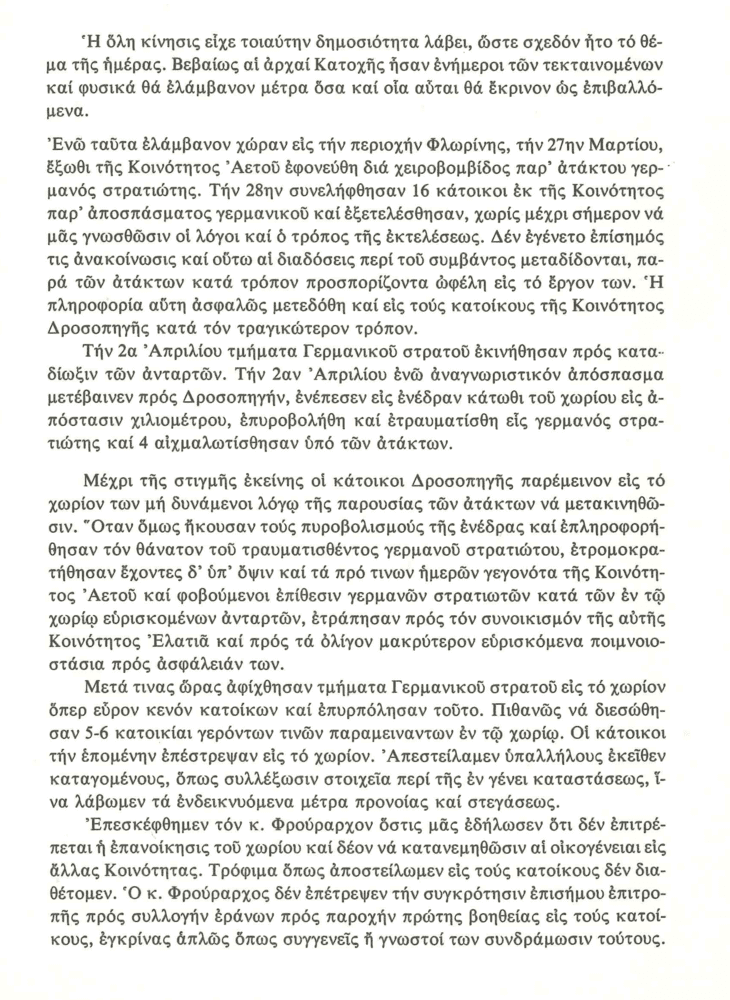
The revolutionary events that took place in Drosopigi probably attracted the attention of the occupation authorities. On April 2, 1944, two German detachments moved towards the village. On the way, one of the detachments arrested eighteen-year-old Thomas Stathopoulos for questioning about guerrilla activities. Shortly thereafter, a small German reconnaissance group of seven men moving toward the village was ambushed by ELAS guerrillas led by Captain Amyntas. The ensuing battle resulted in the death of Grigorios Pumpalas, Amyntas' cousin and an ELAS member, and the wounding and capture of five Germans. The remaining two Germans in the scouting party managed to escape.
After the fighting, the rebels executed the five captured German soldiers. In retaliation, the German detachment executed the prisoner, Thomas Stathopoulos. In view of these dramatic circumstances, and after being informed of the policy of the occupation authorities to carry out executions of civilians in retaliation, the inhabitants of Drosopigi decided to leave the village. Some fled to the neighboring village of Elatia, while others hid in the surrounding mountains.
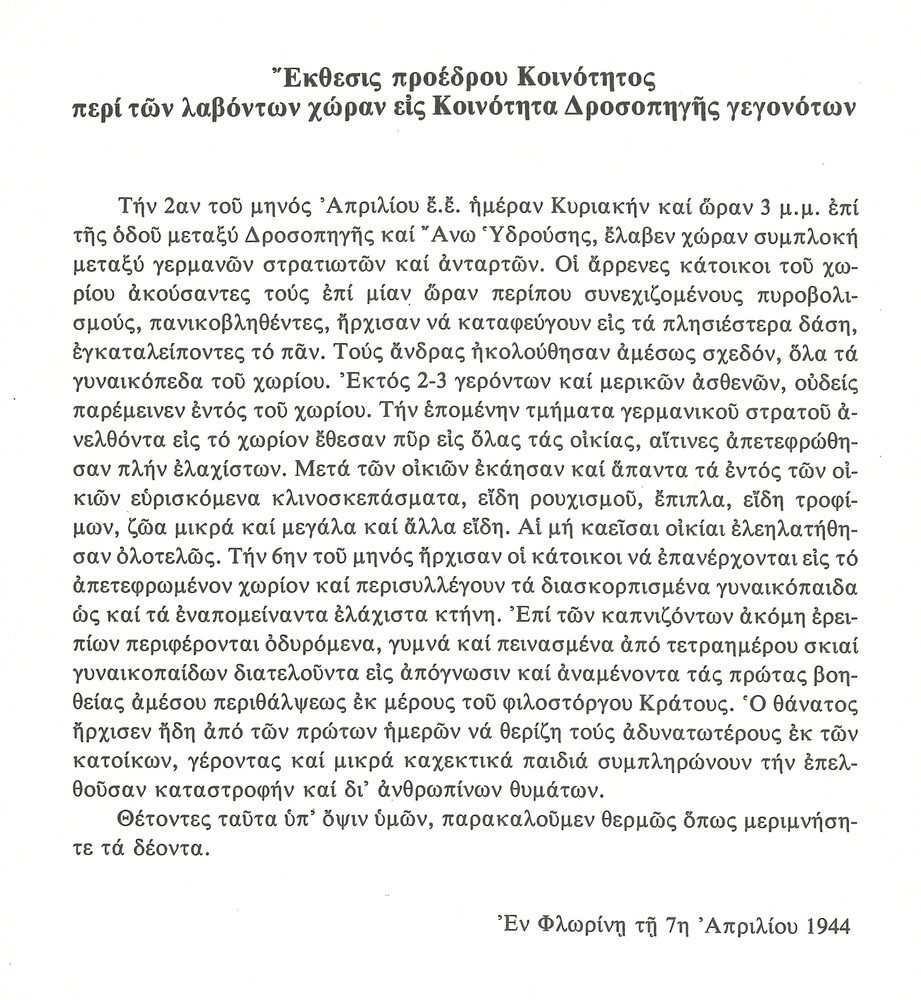
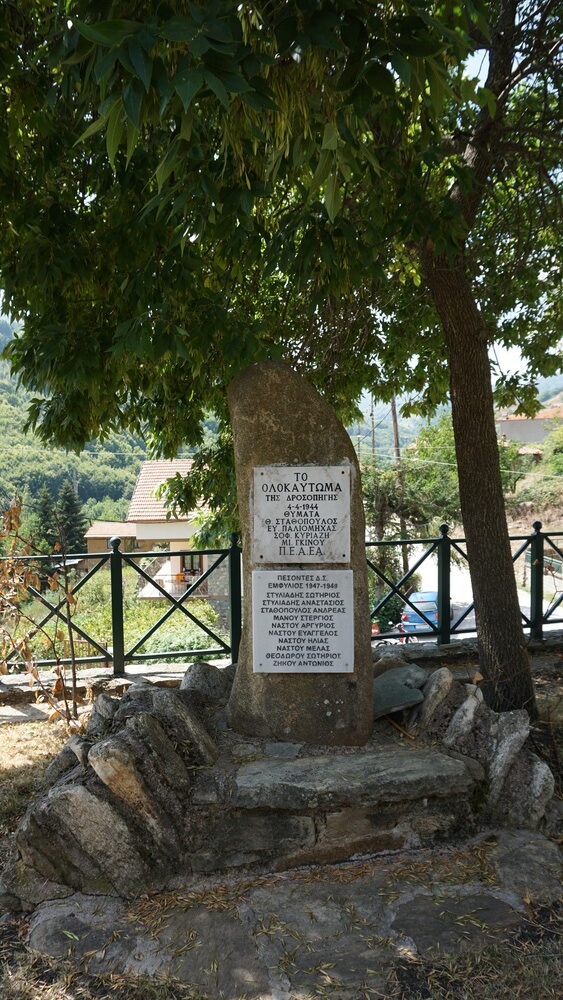
On April 3, the occupying forces entered Drosopigi in search of the five missing soldiers. In their attempt to locate the bodies, they unearthed two graves that appeared to have been dug up recently. In one of them lay the dead guerrilla Grigoris Pumpalas, and in the other an elderly resident. This was followed by violent interrogations of the elderly, women and children who had remained in the village in order to obtain information about the guerrilla activity. At the same time, the occupying forces carried out a massive burning of buildings and the execution of two more villagers: seventy-year-old Sophia Kyriatzi and fifty-year-old Minas Ginou.
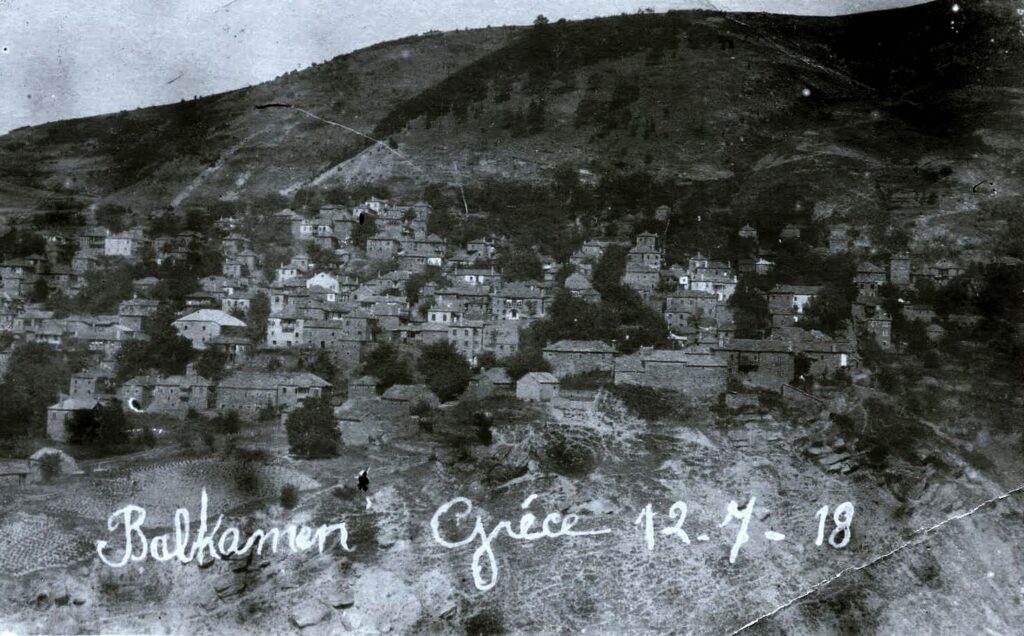
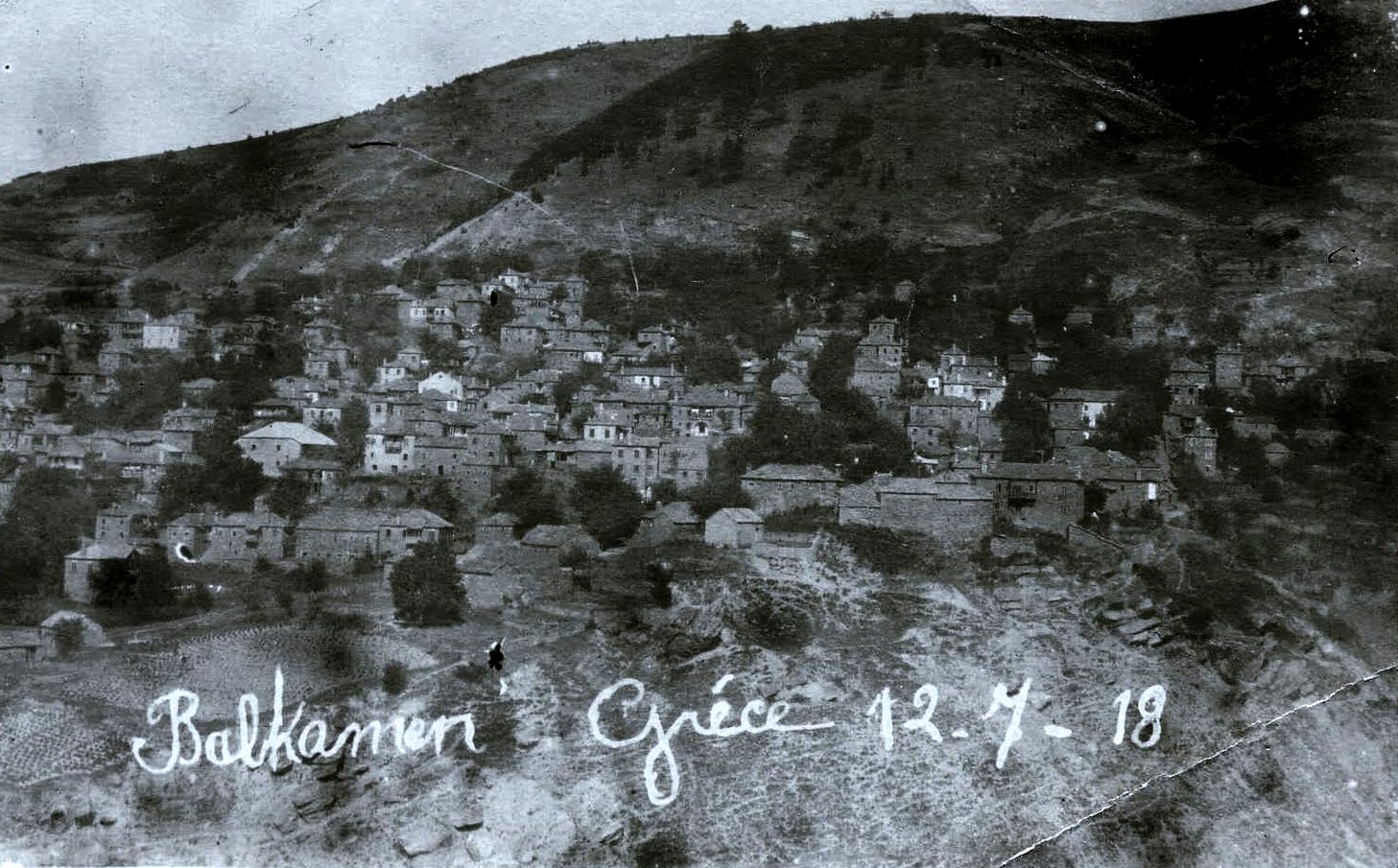
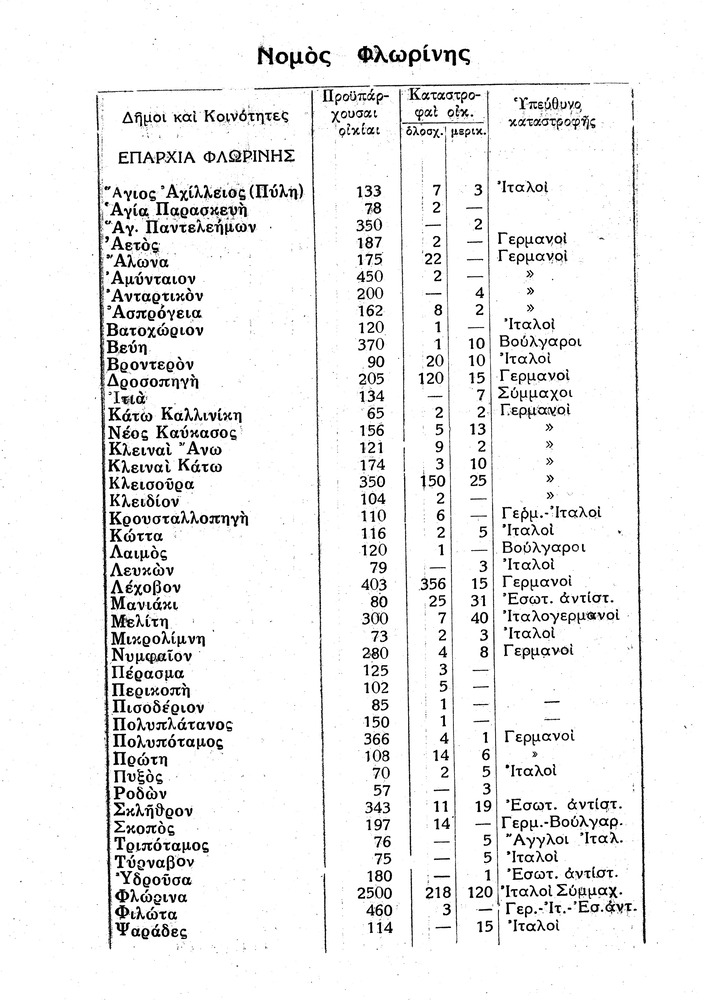
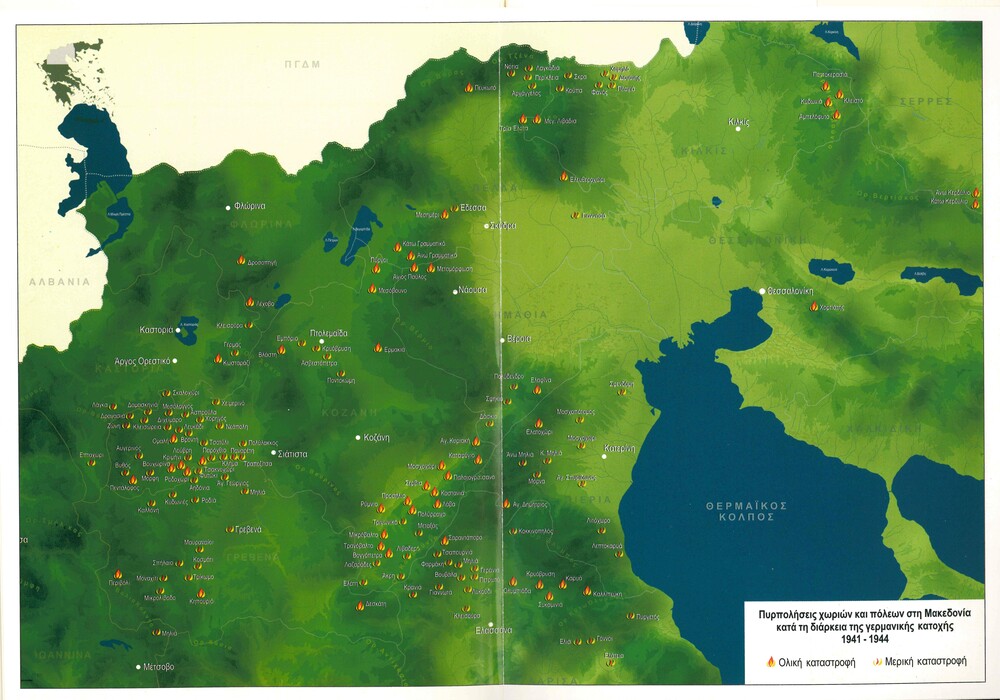
Although the massacre and destruction of Drosopigi in April 1944 had fewer civilian casualties than other Martyred Villages in Western Macedonia, the impact of the destruction of the settlement was dramatic. The Wehrmacht forces completely destroyed about 120 of the 200 houses and then used the usual tactic of forcibly displacing the civilian population, which was then dispersed to neighboring municipalities.
In December 1998, Drosopigi was declared a Martyred Village by Presidential Decree 399/07.12.1998, in honor of the memory of the victims of the massacre.