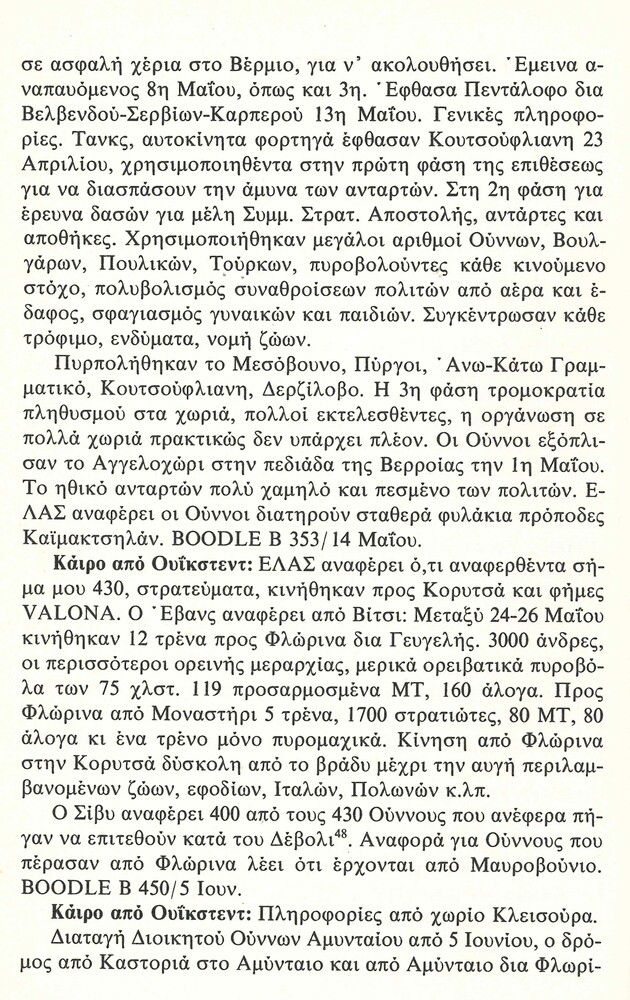
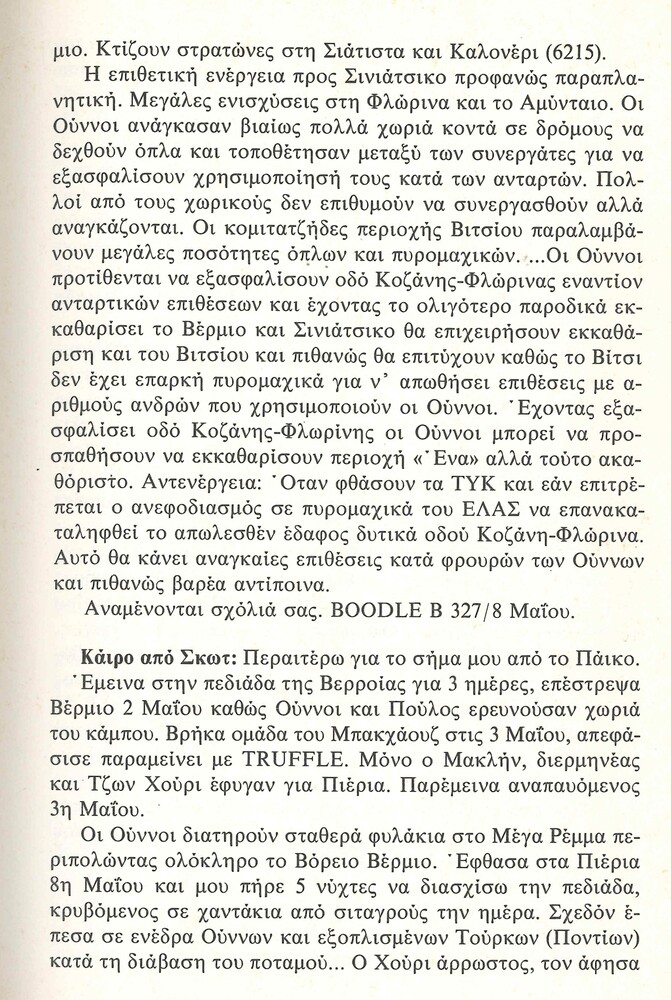
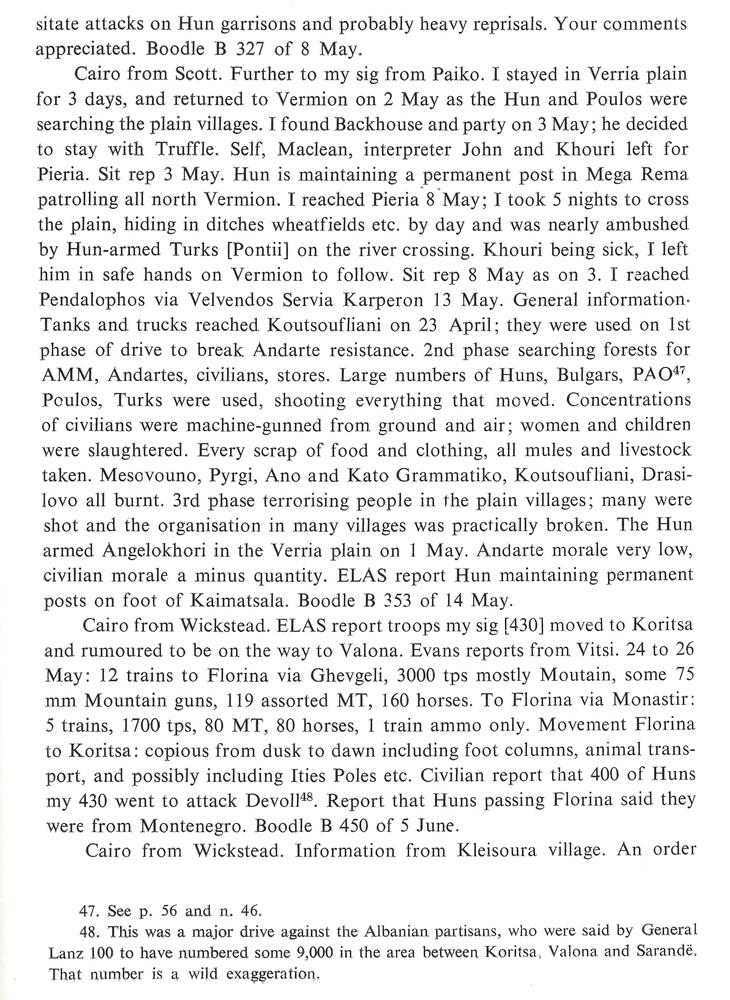
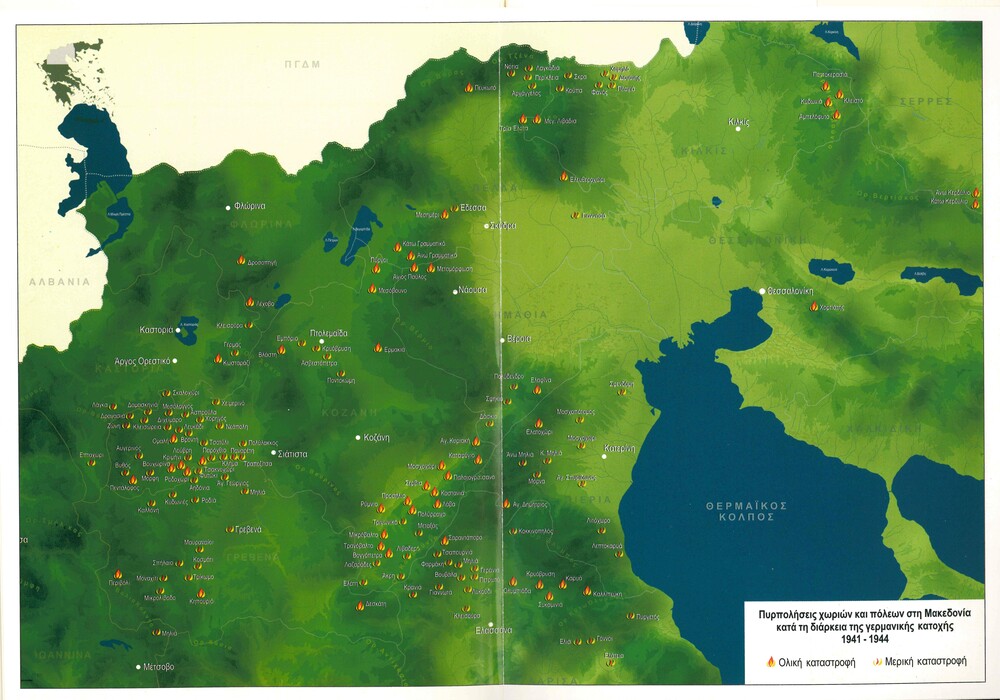
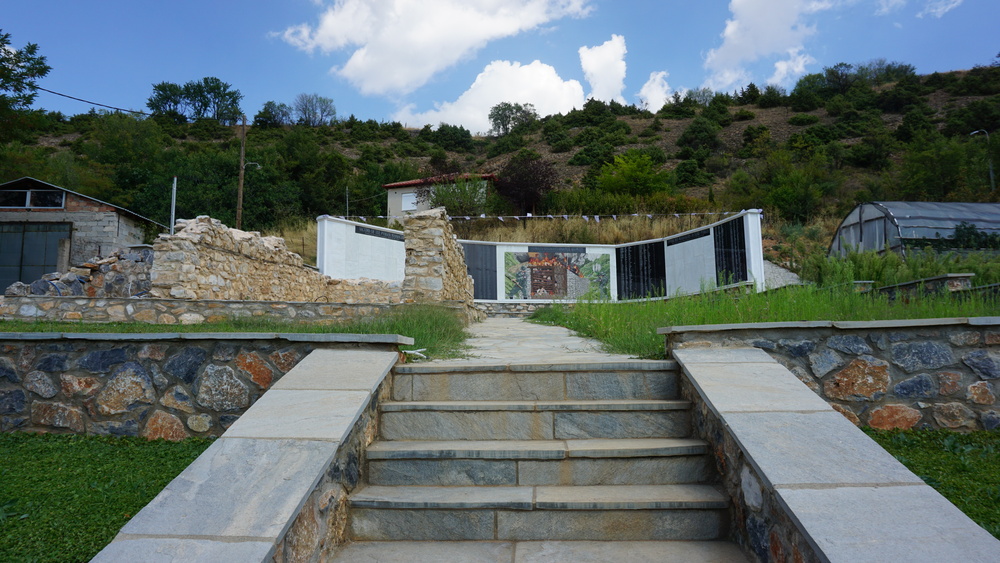
In April 1944, as part of the operation "May Storm" (Maigenwitter), the occupying forces aimed at the complete domination of the Vermio passes and the encirclement of the guerrillas in the area. On April 23, SS units, supported by Italian soldiers and Greek collaborationists, entered Mesovouno and Pyrgoi in search of guerrillas of the Greek People's Liberation Army (Ellinikos Laikos Apeleutherotikos Stratos / ELAS) and British and American soldiers.
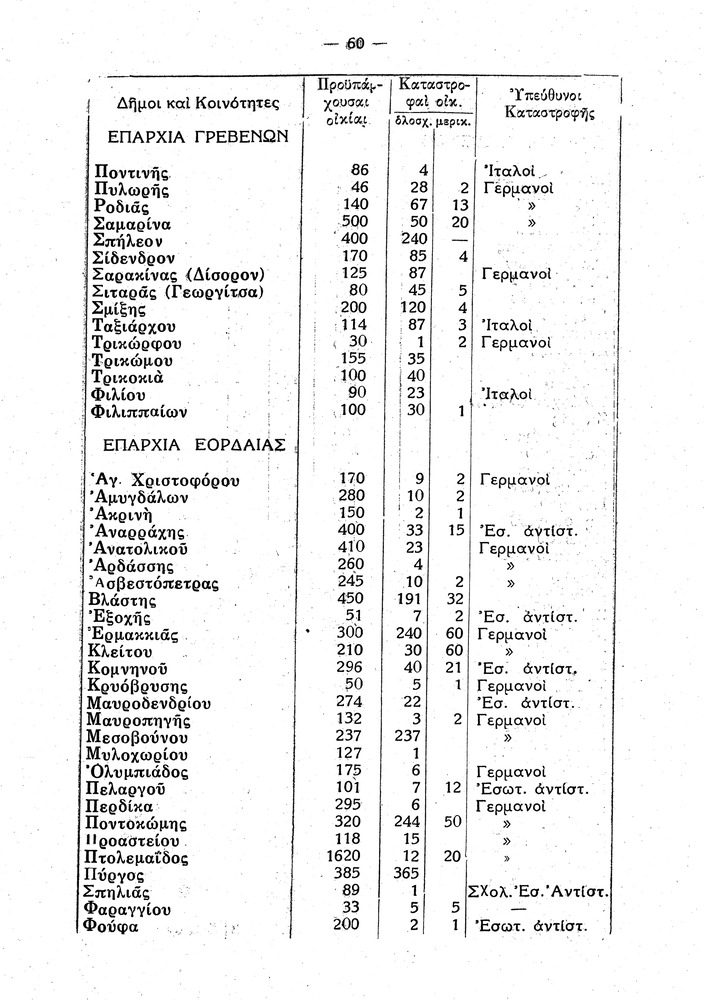
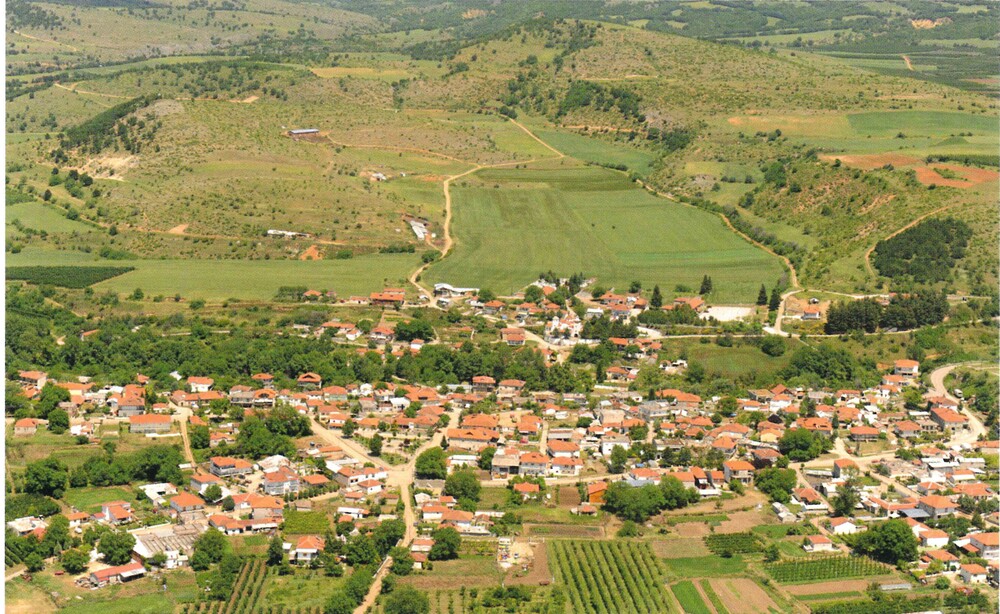
At that time the population of Pyrgoi was about 1,800 inhabitants. Before the Germans entered, a few inhabitants managed to escape and hide in the wooded area of "Kouri", on the slopes of Vermio. Most of the inhabitants, however, remained in the village and gathered in the village square, where the occupying forces used force. A massive burning took place, during which about 650 houses were burnt. Excluded from the destruction were 20 houses used by German soldiers, as well as the municipal buildings and the two churches in the village.
As for the inhabitants, except a small group that managed to escape the occupation forces, those who tried to escape were immediately executed. Among the victims were two elderly women who were executed in cold blood because they were unable to follow. The rest, about 1,400 inhabitants, were forcibly expelled and taken to Ptolemaida, where they were gathered in a makeshift concentration camp.
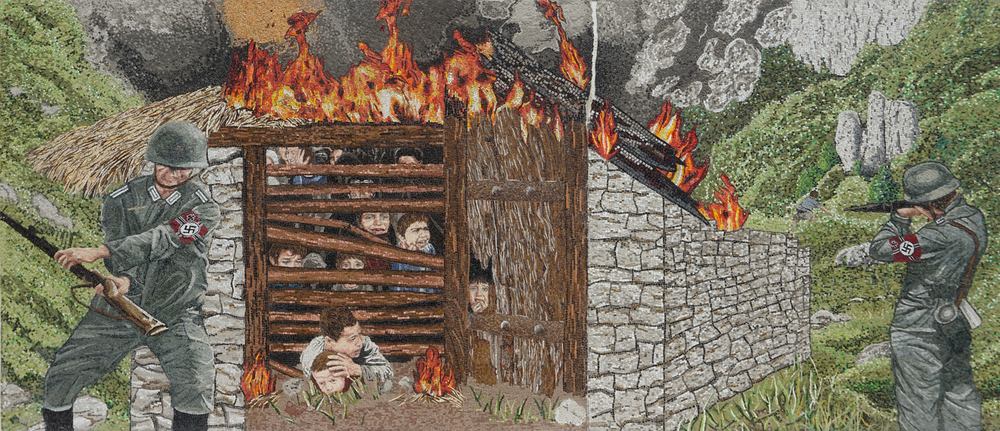
The next day, April 24, while the civilians were being held in Ptolemaida, 7 people were executed on the bridge of the village of Anatoliko, accused of collaborating with the rebels. Meanwhile, from April 24 to 26, violent operations took place on the outskirts of Pyrgoi, in the wooded areas. During the pursuit, 50 civilians were shot in cold blood, while another 150 were captured and imprisoned in the Church of the Transfiguration of the Savior in Pyrgoi. The prisoners were guarded by Turkish and Greek-speaking Nazi collaborationists from the village of Pelargos, who were accused of poaching and brutalizing the female prisoners. On the 26th, in an act of unimaginable brutality, the prisoners, after being brutally tortured, were taken to barns in the area and burned alive
During the four days of the attack on the Pyrgoi, Nazi forces and their collaborationists committed acts of unparalleled violence. With unrelenting brutality, they tortured, abused, executed, and burned alive more than 335 innocent people of all ages and genders. The Pyrgoi Massacre is one of the most horrific crimes committed by the Nazis in Greece, and perhaps the bloodiest after the Kalavryta Massacre in December 1943.
In December 1998, the Greek State, in honor of the memory of the victims of the massacre, declared Pyrgoi a Martyred Village by Presidential Decree No. 399/07.12.1998.