
Battle of Siatista Pass
Short Description:
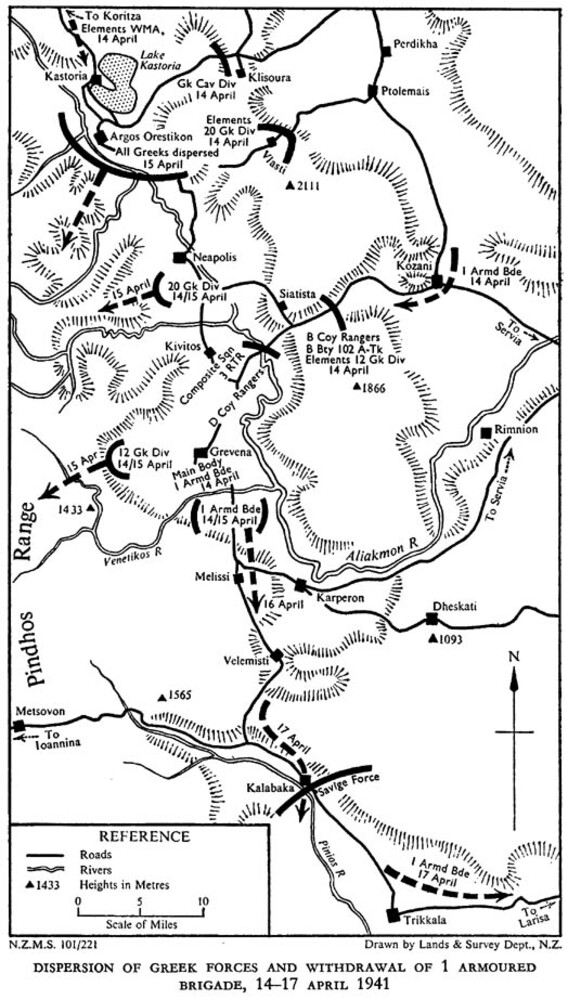
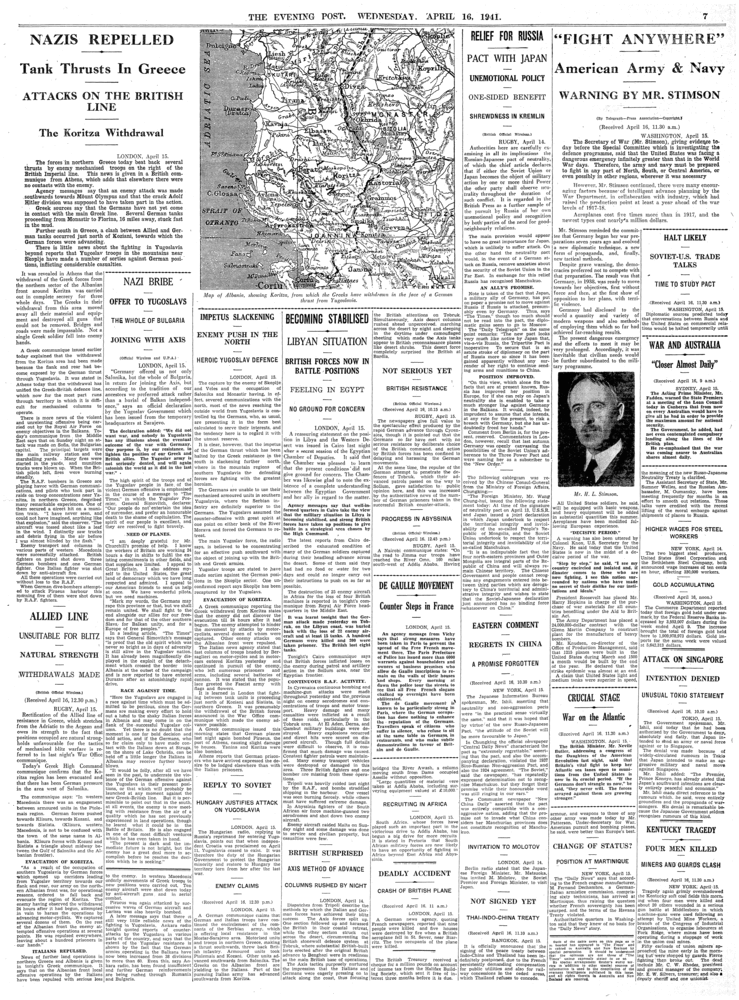
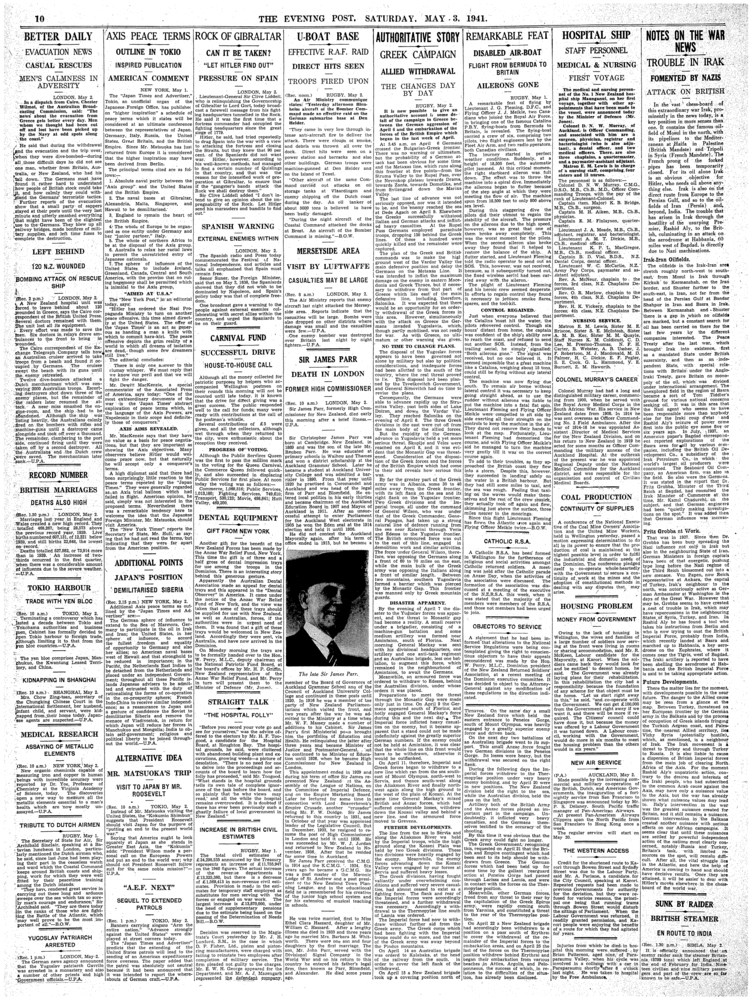
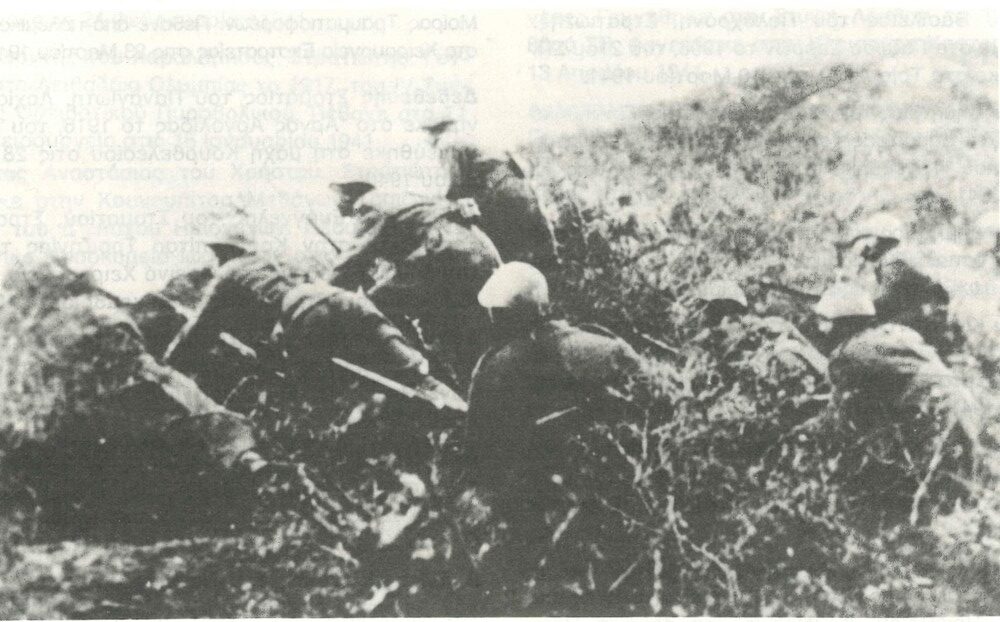
On April 14, 1941, German forces advanced to the eastern exit of the Siatista Pass with the aim of capturing it. A fierce battle ensued with the limited Greek and British forces defending the area. Due to the fierce Allied resistance, control of the pass was maintained into the night despite coordinated German artillery, air and tank attacks. At the conclusion of hostilities, the Allied forces left the area to organize their defenses further east. The temporary slowing of the German advance in the Siatista Pass proved crucial, as it allowed the Allies to maintain their escape routes to the south and avoid capture.
Photo gallery:
Detailed Description:
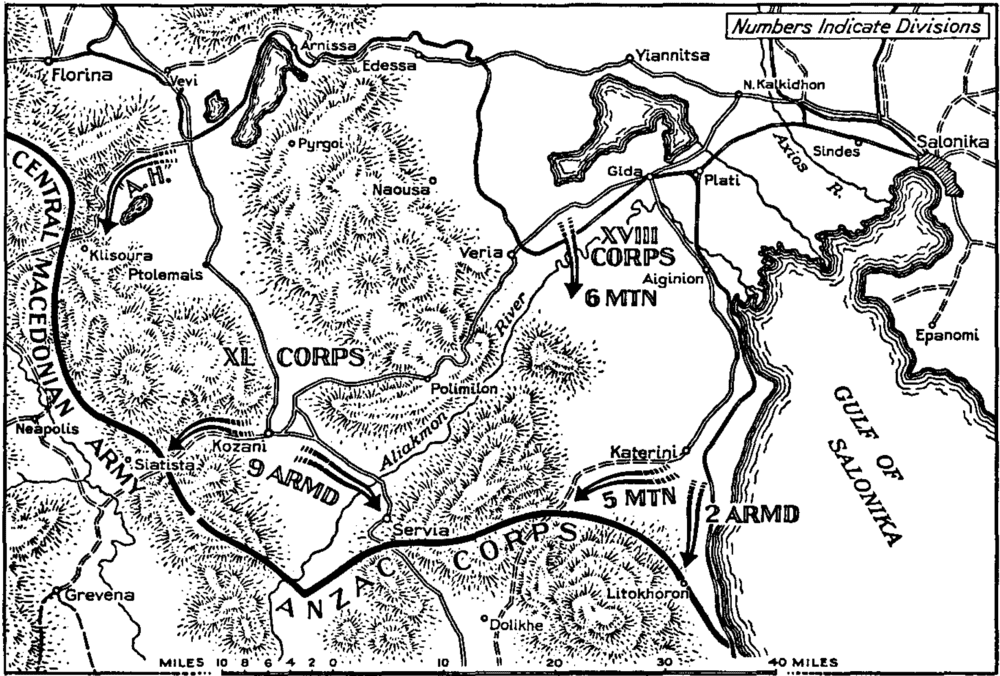
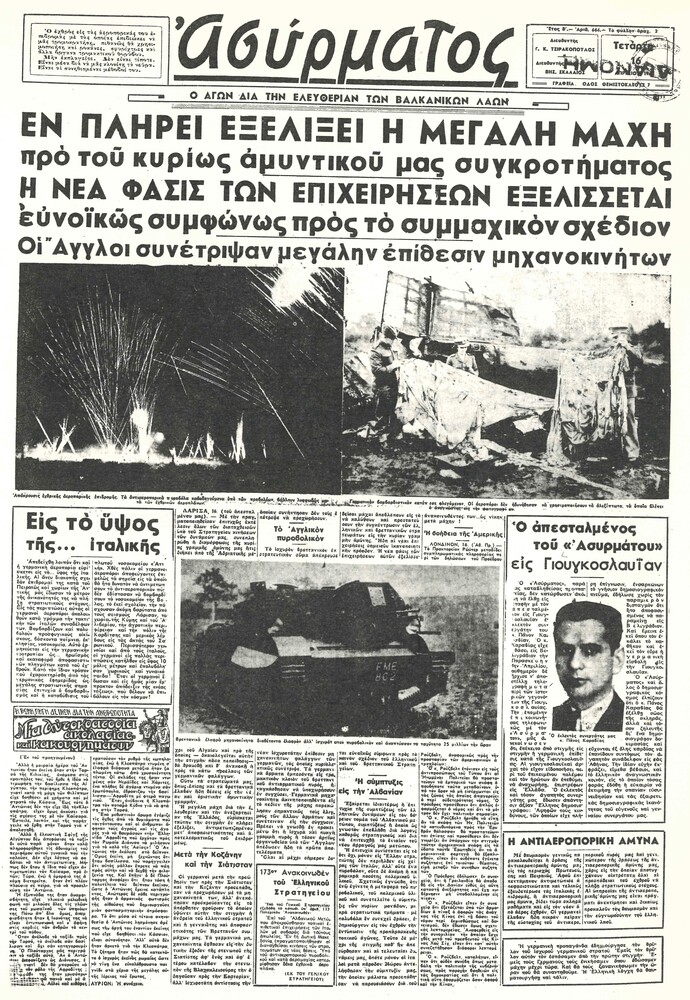
After the German occupation of the Klidi Pass, the Allied forces were concentrated in a diagonal line south of Amyntaio and Sotiras. On April 13, 1941, the Germans attacked these positions with strong forces, forcing the Allied forces to retreat towards Ptolemaida. At noon, after taking Ptolemaida, the Germans launched a strong attack with tanks, artillery, motor vehicles, infantry, and aircraft. In the ensuing tank battle, the only one to take place on Greek soil, the Allies managed to temporarily halt the German advance into southern Greece. Afterward, the Allied forces of Group "W" retreated to Kozani and then to Grevena to reinforce the defenses around Mount Askios. Thus, control of most of the areas of the present Kozani Regional Unit was handed over to the conquerors.
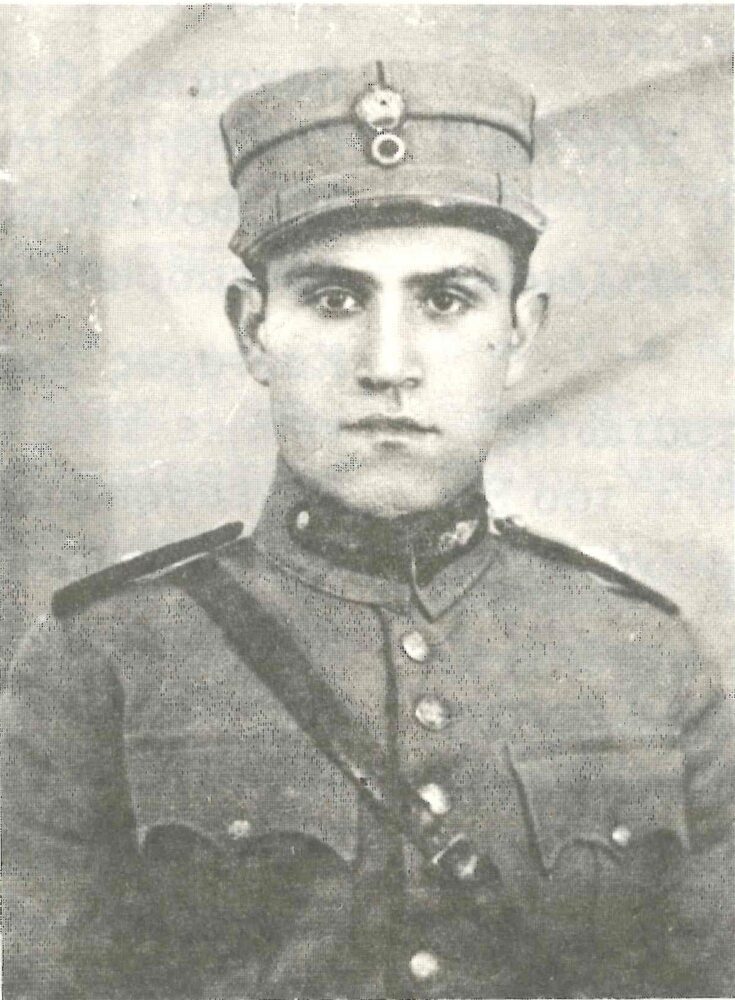
The next day, April 14, 1941, the 9th Armored Division captured Kozani without resistance. At about 13:30, the division's vanguard advanced east of the Siatista Pass, in the area between Alonakia and Skiti. The Allied defense of the pass area had been assumed since 12 April by the Greek 82nd Infantry Regiment, consisting of a battalion and its command, an artillery squadron, a field artillery battery, and a British antitank squadron.
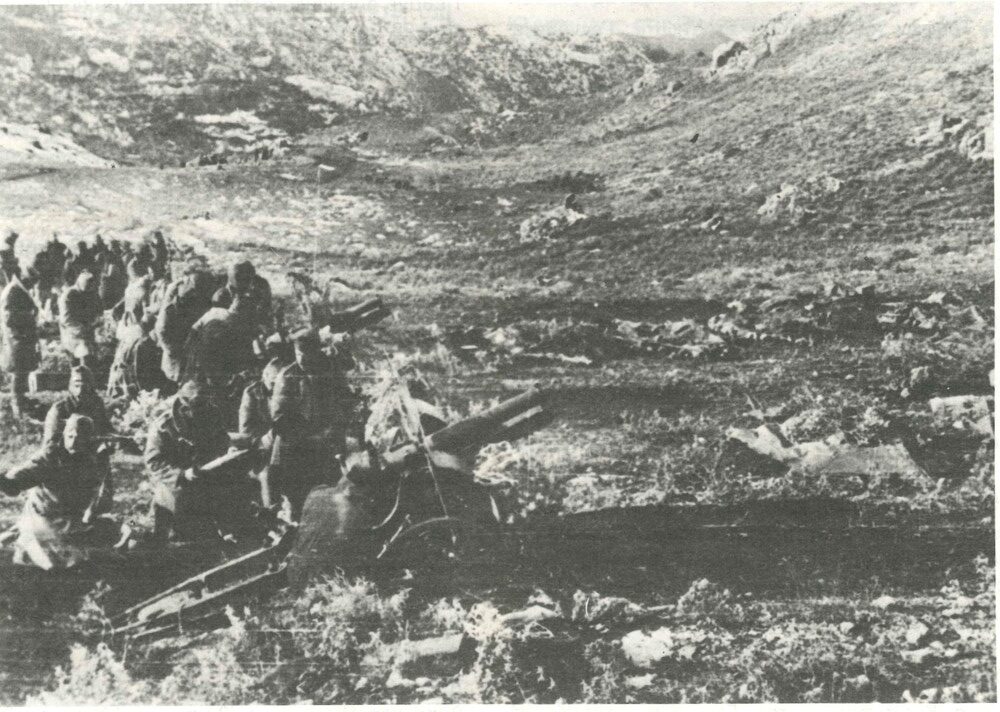
Hostilities began shortly after the arrival of the German forces. The Germans attacked the allied positions in the Derveni area with light weapons and mortars, while the allied defense was mainly based on artillery. Despite firing about 40 shells, the Greek forces failed to inflict significant damage due to material failure, as most of the ammunition did not explode. The battle continued at a slow pace until 19:00, when the German heavy artillery and air force became involved.
During the German artillery operations, some shells fell near the positions of the Greek Field Artillery, causing panic and leading to its temporary disbandment and reassembly shortly afterward. From noon until the afternoon, parallel to the German artillery and air operations, German motorized units arrived and organized themselves in the areas of the villages of Skiti, Xerolimni and Metamorphosis.
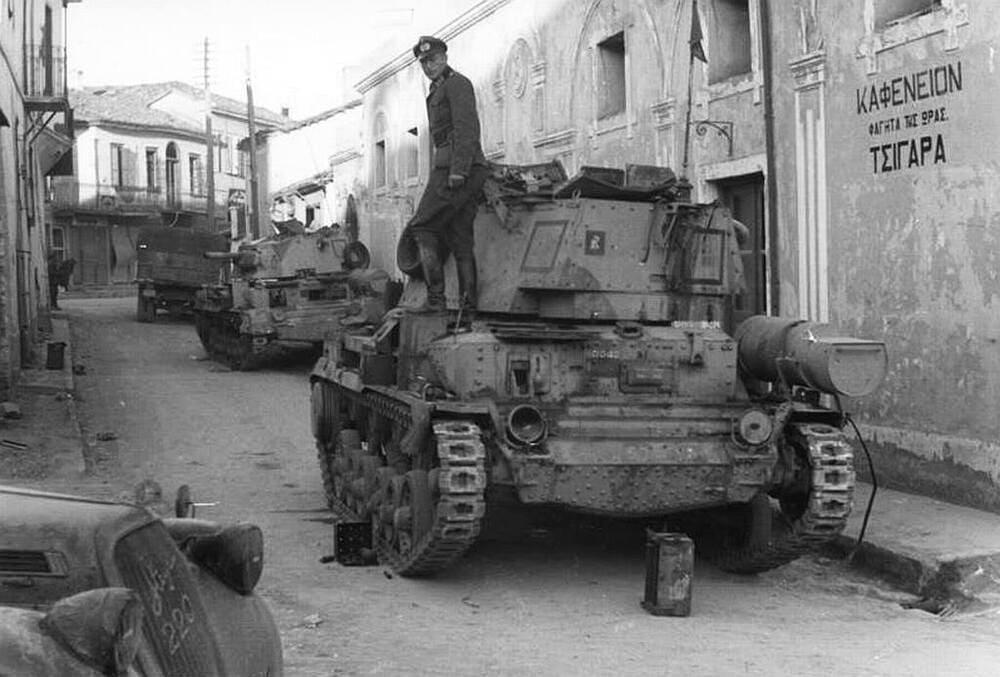
The Battle of Siatista Pass reached its peak when German tanks attempted to penetrate the Allied defenses east of the pass. Although the British anti-tank squadron successfully responded and intercepted the attack, the concentration of strong forces in the area and the simultaneous assault on the defensive positions by German artillery, tank and aircraft fire shattered the morale of the Greek forces. As a result, the Greek infantry companies defending the northern and southern arms of the pass were disbanded before nightfall.
To overcome the problem of lack of infantry, the Greek XII Division attempted to move the reserve company to more advanced positions than those held by the British antitank squadron. However, despite efforts to reorganize the defenses, the increased pressure from the German forces and the concentration of large numbers of mechanized units in the villages east of the pass caused the British tank squadron to withdraw during the night. Faced with the prospect of a strong German attack the following morning, the Greek forces also decided to retreat eastward and reorganize on the right bank of the Aliákmon, where defensive conditions were better. By midnight, the Stena was occupied by the Germans. The Greek divisions, unable to receive a timely order to retreat, either disbanded and retreated disorderly or were captured by the invaders.
In general, despite the obvious superiority of the German forces in terms of numbers of soldiers, military equipment, motor vehicles and aircraft, the Greek and British forces defended themselves with determination. Their heroic resistance at the Siatista Pass, as well as at the Klisoura Pass on the same day, succeeded in delaying the German advance southward for about 24 hours. However, in spite of this success, there was a feeling in the ranks of the Greek army that it was pointless to continue the fight against the powerful German forces. For this reason, the operations that followed in the next few days concentrated on the safe retreat of the Greek troops to the south and on avoiding capture by the German forces.

Indicative Literature:
Η εποποιία του 1940-41. Αρχείον ιστορικών σελίδων, Αθήνα 1969.
Γενικό Επιτελείο Στρατού, Το τέλος μιας Εποποιίας – Απρίλιος 1941, Αθήνα 1959.
Γενικό Επιτελείο Στρατού, Εφοδιασμοί στρατού εις υλικά οπλισμού πυρομ/κων πυρ/κου πεζικού 1940-1941, Αθήνα 1982.
Γενικό Επιτελείο Στρατού, η Υγειονομική Υπηρεσία του στρατού κατά τον πόλεμο 1940-1941, Αθήνα 1983.
Γενικό Επιτελείο Στρατού, Επίτομη Ιστορία του Ελληνοϊταλικού και Ελληνογερμανικού πολέμου 1940-1941. Επιχειρήσεις Στρατού Ξηράς, Αθήνα 1985.
Γενικό Επιτελείο Στρατού, Αγώνες και Νεκροί του Ελληνικού Στρατού κατά το Δεύτερο Παγκόσμιο Πόλεμο 1940-1945, Αθήνα 1990.
Διεύθυνση Ιστορίας Στρατού των ΗΠΑ, Η εκστρατεία των Γερμανών στα Βαλκάνια (Άνοιξη 1941), Αθήνα 1996.
Εδιπίδης Α. (επιμ.), Μεγάλη Εικονογραφημένη Ιστορία του Ελληνοϊταλικού και Ελληνογερμανικού Πολέμου 1940-1941, Επιμέλεια της Στρατιωτικής Ύλης Αλεξ. Εδιπίδου Αντιστράτηγου Ε. Α., Τόμος Β’, Αθήνα 1954.
Καραβίτης Γ., Το Σύνταγμα Δωδεκανησίων, Κως 2014.
Παπακωνσταντίνου Θ.Φ., Η μάχη της Ελλάδος 1940-1941, Αθήνα 1971.
Higham R., Το ημερολόγιο μιας καταστροφής. Η Βρετανική βοήθεια στην Ελλάδα 1940-1941, Αθήνα 2008.
Plowman J., Images of War in the Balkans. The battle for Greece and Crete 1940-1941. Rare photographs from wartime archives, South Yorkshire 2013.
Walker A.S., Middle East and Far East. Australia in the war of 1939-1945, Canberra 1953.